Varginha Fire Displaces 16 Families After Structural Damage Closes Building
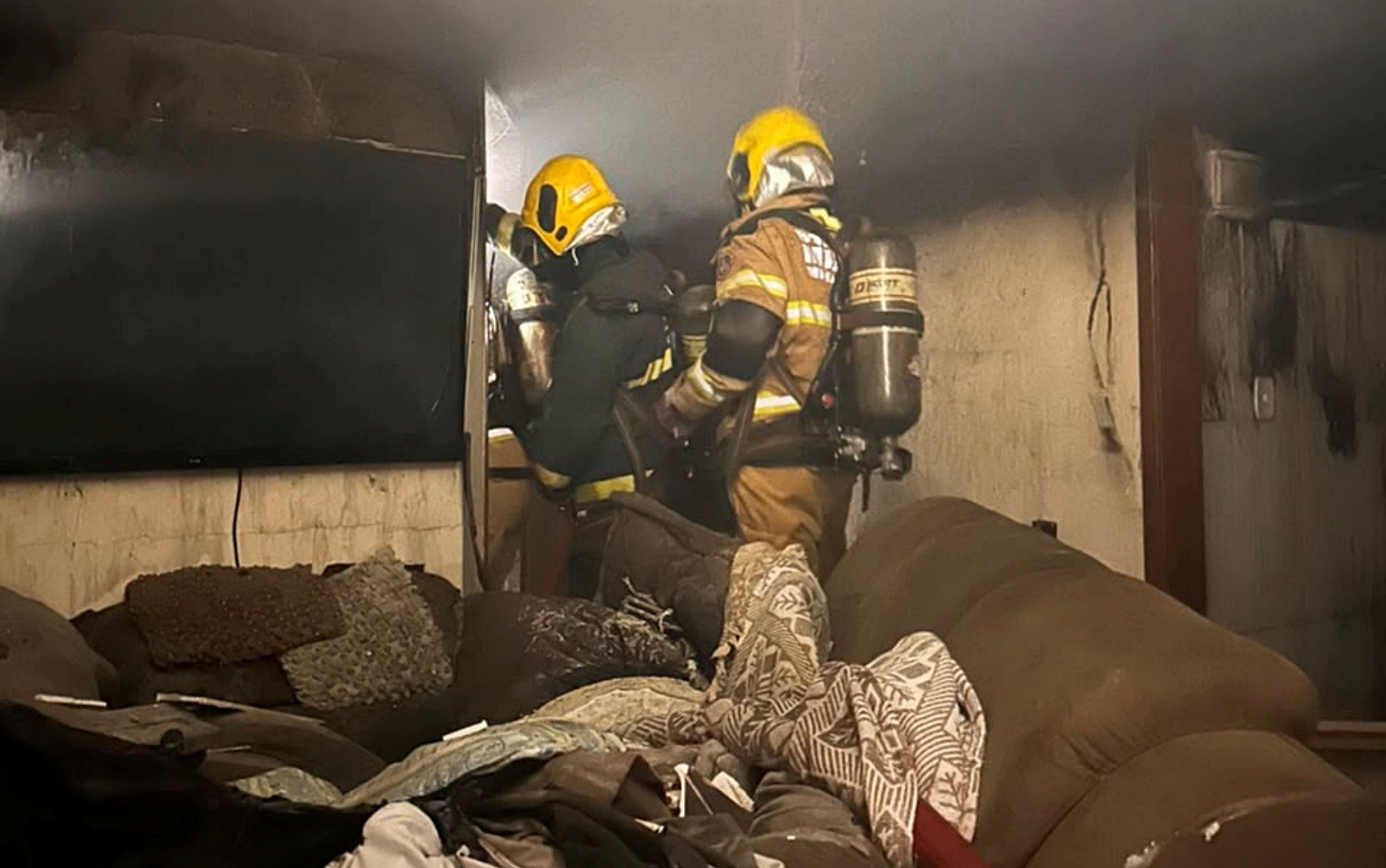
A fire that broke out on Saturday night (18th) in Varginha, Minas Gerais, has led to the displacement of residents from sixteen apartments. The blaze occurred in Block 29 of the Paiva e Silva condominium in the Jardim São Lucas neighborhood. Firefighters responded to the incident, which started in a bedroom of an apartment on the fourth floor and quickly spread. The electrical power to the block was cut, and the building was evacuated as a precautionary measure during the firefighting operation. One resident required medical attention for smoke inhalation and was transported to a local health unit by SAMU. Following the fire's containment, inspections by the Fire Department and engineers revealed significant cracks and fissures in the building's structure, both internally and on the facade. These findings prompted the preventive closure of the building pending an assessment by the Civil Defense. Residents were allowed controlled access to retrieve essential belongings. The building's manager confirmed that the Civil Defense began its evaluation on Sunday (19th). An engineer from the municipality indicated that the block's structure is fundamentally sound. The fire reportedly originated from the wiring of an air heater in a bedroom, rapidly engulfing nearby items. The tenant, Cássia Miguel Silva, described the incident as happening very quickly, with flames spreading from the heater's wire to bedding and furniture within minutes. She managed to alert emergency services and cut off the building's main power supply before evacuating with her daughter. Ms. Silva, who was renting the apartment, is currently staying with her mother and receiving support from friends and family, including donations of clothing. She reported being significantly affected by the event, noting her pre-existing health conditions.
This incident highlights the critical importance of building safety protocols and rapid response in urban environments. The fire's origin in a specific apartment and its rapid spread underscore the need for robust fire-prevention measures within residential units, including regular maintenance of electrical appliances and wiring. The subsequent structural damage, identified by emergency services, necessitates a thorough investigation into potential building code compliance and the long-term integrity of the structure. While the municipal engineer's preliminary assessment suggests structural resilience, the identified fissures warrant a comprehensive engineering review to ensure resident safety and prevent future risks. The displacement of families also points to the broader societal challenge of ensuring adequate and safe housing, particularly for renters, and the availability of emergency support systems for those affected by unforeseen disasters. Future considerations should include enhanced community-level emergency preparedness and more streamlined processes for temporary housing and financial assistance following such events.
AI-generated to prompt reflection — not editorial opinion, not advice, not a statement of fact. How this works.