Varginha Hospital ICU Reaches Full Capacity Amid Respiratory Illness Surge
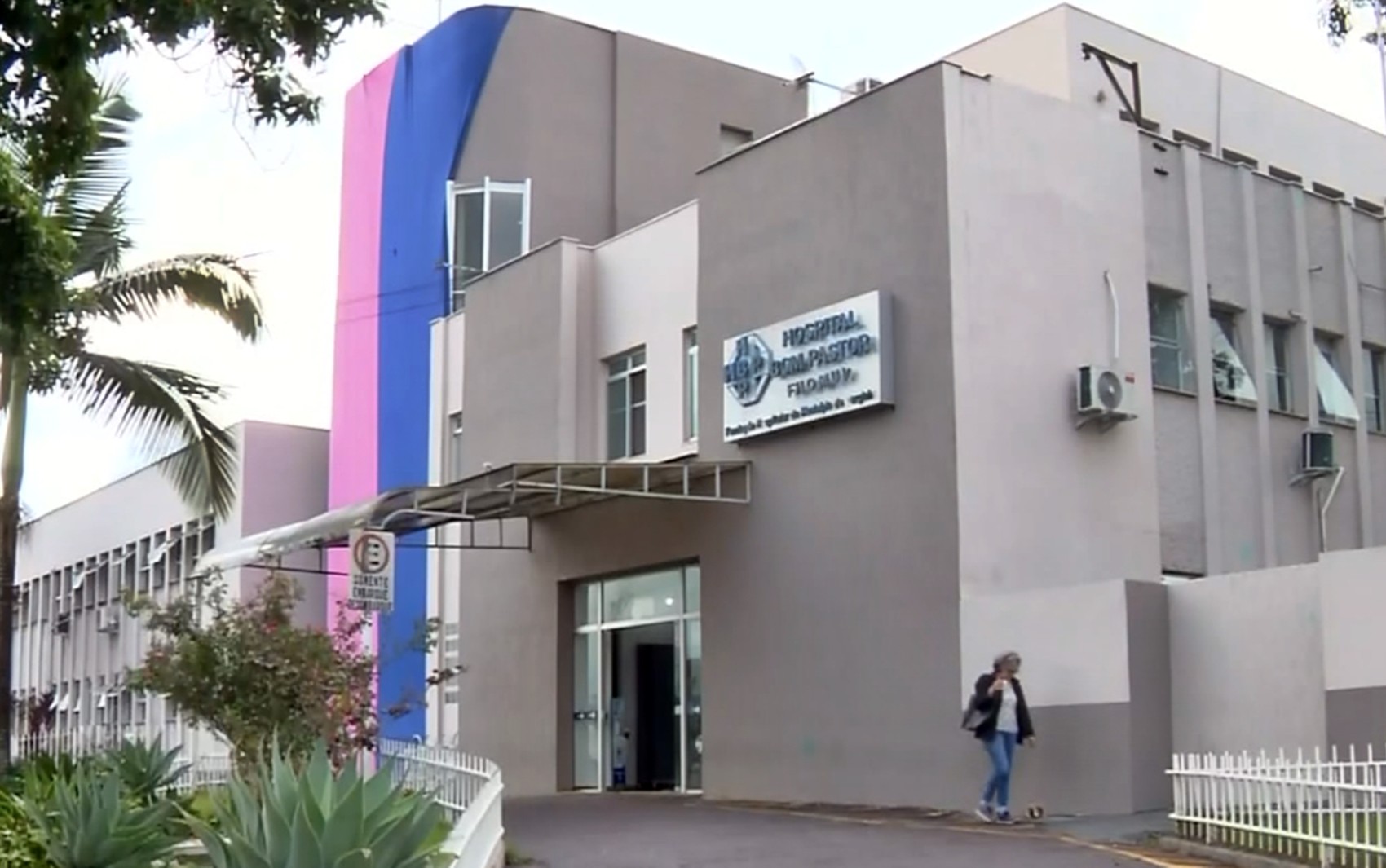
The adult Intensive Care Unit (ICU) at Bom Pastor Hospital in Varginha, Minas Gerais, is currently operating at 100% capacity. This situation, announced by the Municipal Hospital Foundation on Monday, March 13th, is primarily attributed to a rise in respiratory illnesses, prolonged patient stays requiring intensive care, and emergency cases with life-threatening conditions referred by SAMU. The hospital is implementing temporary measures to alleviate pressure on the ICU, including the suspension of elective surgeries that necessitate post-operative ICU admission. Other elective surgeries and emergency services remain unaffected.
Since May, the state government, through the CORE system, has been responsible for patient destination decisions, shifting this authority from the municipality. In response to the overcrowding, Bom Pastor Hospital is undertaking expansion work on its Intensive Therapy Center (CTI) to increase bed availability. Additionally, the hospital is enhancing its home care teams and services to facilitate the discharge of stable patients, thereby freeing up hospital beds. Varginha's mayor, Leonardo Ciacci, has met with state officials in Belo Horizonte to seek support for the escalating crisis. The Minas Gerais State Health Secretariat stated it is monitoring the situation and in dialogue with local authorities and service providers to assess care needs and patient flow. Any expansion of ICU beds is contingent on technical criteria, including physical infrastructure, equipment, staffing, and service accreditation.
The full occupancy of Varginha's Bom Pastor Hospital ICU highlights the systemic challenges in public health infrastructure, particularly in managing surges in demand driven by seasonal illnesses and complex patient needs. The shift in patient regulation to the state level, while intended to standardize care, appears to have created coordination complexities during this critical period. The hospital's mitigation strategies, such as temporarily halting elective surgeries and expanding home care, represent adaptive measures within existing resource constraints. However, the long-term solution hinges on state and municipal collaboration for definitive infrastructure upgrades and sustainable funding models, balancing immediate crisis response with future capacity planning. The reliance on technical criteria for bed expansion underscores the bureaucratic processes that can delay critical resource allocation during public health emergencies.
AI-generated to prompt reflection — not editorial opinion, not advice, not a statement of fact. How this works.