Varginha's Producer Market Remains Closed Nearly Two Years After Inauguration
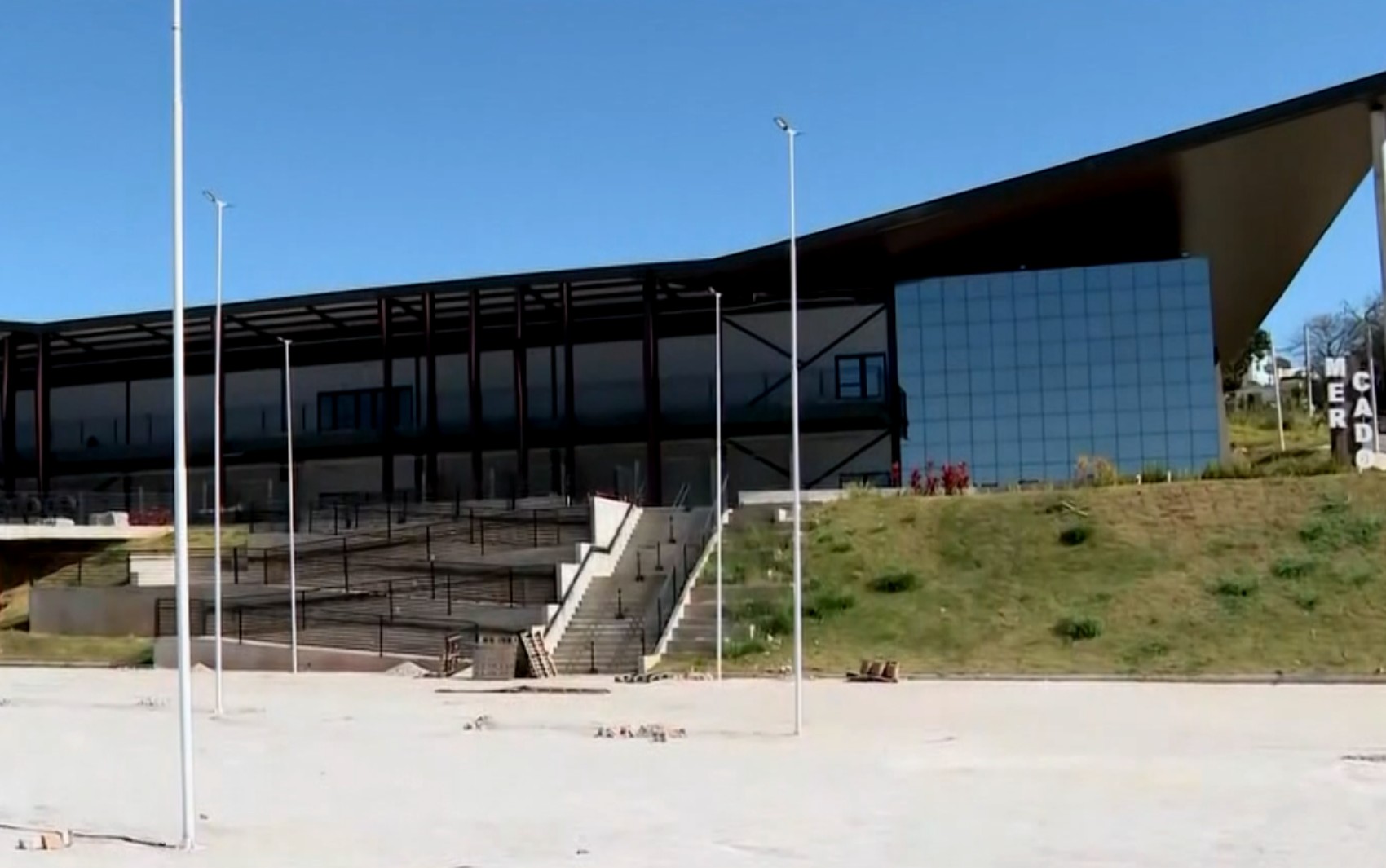
The new Rural Producer Market in Varginha, Minas Gerais, remains closed and without a projected opening date, nearly two years after its inauguration. The Varginha City Hall recently met with Sebrae representatives to discuss how the space will be utilized and what types of businesses and services will be established there. Despite being inaugurated at the end of 2024, the market has not yet opened to the public, as the structure required significant post-construction adjustments and corrections. Over R$20 million has been invested in the project, which spans 11,500 square meters of total area and approximately 5,400 square meters of built space. Sebrae consultants are currently studying the site to reconfigure the stalls and determine the most suitable activities. Vice-prefeito Antônio Silva explained that the complexity of the project led to unforeseen issues and construction flaws that are now being rectified. The city hall has been working since the inauguration to finalize pending tasks and make the space ready for use, with efforts continuing through 2025 and into 2026. Initially intended for rural producers, the concept did not attract sufficient interest from this segment, as they preferred not to occupy the market daily. The administration now aims for permanent occupation to serve as a tourist attraction and boost local commerce. An expert from Belo Horizonte's municipal market is also advising on the types of businesses that could operate there. Key outstanding issues include the installation of a climate control system, a financially significant but necessary component. The company responsible for the construction has a 30-day deadline to complete these final adjustments. The estimated completion for the new space intended for vendors is about six months, but a firm opening date for the Producer Market has not yet been set.
The prolonged closure of Varginha's new Producer Market, despite significant investment and inauguration, highlights systemic challenges in public infrastructure project management. The gap between initial vision and practical execution, coupled with the need for extensive post-inauguration adjustments and a reevaluation of the market's purpose, suggests potential misalignments in planning, stakeholder engagement, and construction oversight. The shift from a producer-centric model to a broader commercial and tourist attraction indicates an adaptive response to market realities, but also raises questions about the initial feasibility study and the municipality's ability to attract and retain targeted users. Future initiatives of this scale may benefit from more robust phased development plans, continuous stakeholder consultation throughout the construction lifecycle, and clearer pre-defined operational models to mitigate delays and cost overruns, ensuring public funds are utilized efficiently and public assets become functional assets promptly.
AI-generated to prompt reflection — not editorial opinion, not advice, not a statement of fact. How this works.