Varginha Zoo Celebrates 60 Years with Free Activities and Behind-the-Scenes Animal Care
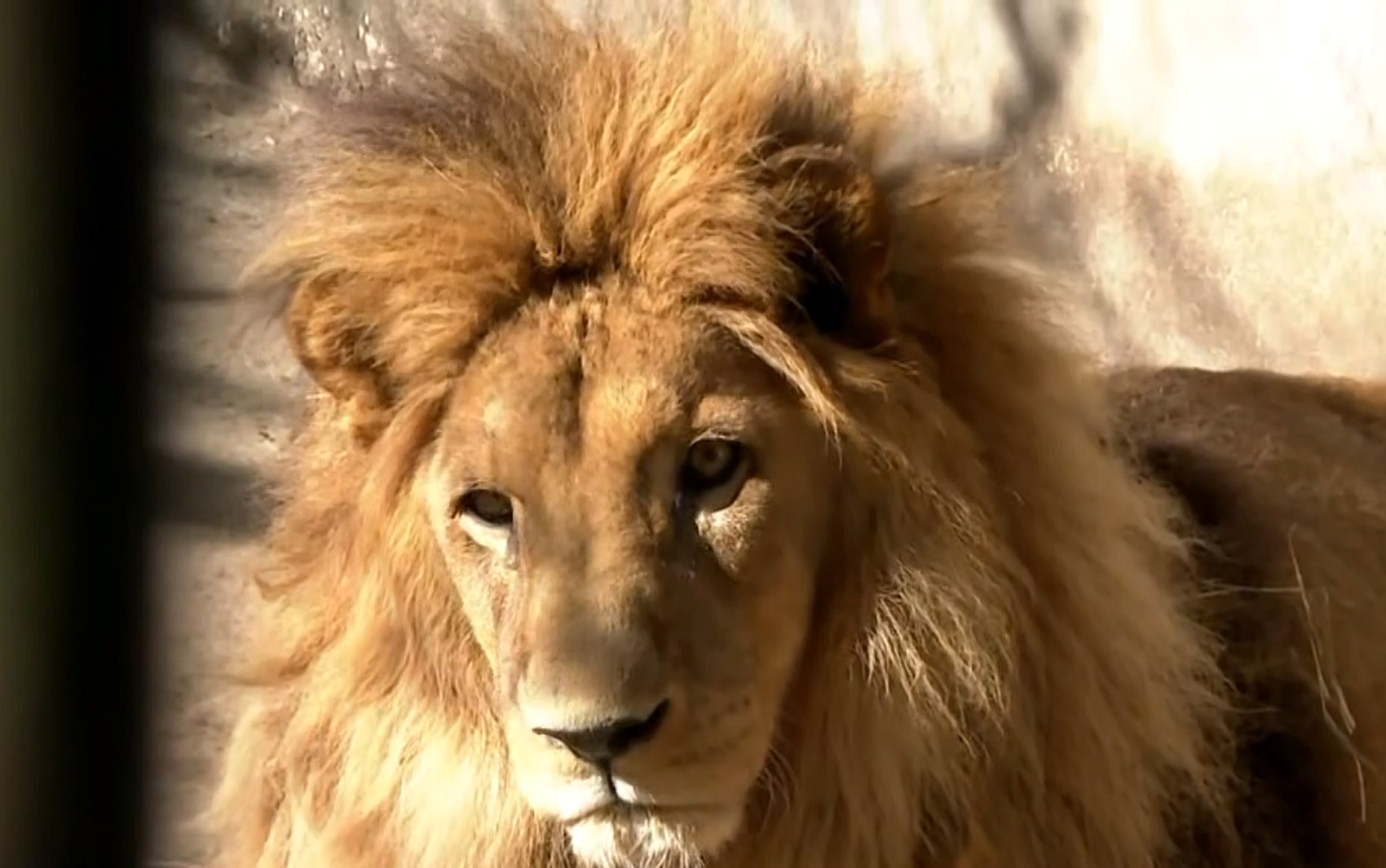
The Varginha Zoological Park in Minas Gerais, Brazil, is celebrating its 60th anniversary this Saturday, October 25th, with a day of free family-friendly programming. The park, spanning 44,000 square meters, houses over 150 animals and typically receives around 4,000 visitors monthly, a number that doubles during holidays and school breaks. The anniversary event includes cultural attractions, children's activities, vaccination drives for people and pets, educational initiatives, and artistic performances. Behind the scenes, the daily routine of animal care involves preparing nearly 70 kilograms of food, with diets tailored to each species' needs, including vegetables, fruits, grains, and meats. Keepers like Isabel Cristina Borato dos Santos share close bonds with the animals, describing their interactions with lions and jaguars. Avian care specialist Jacqueline Luciano Rosário detailed the feeding schedule for parrots, which alternates between grains, seeds, and fruits like bananas and papayas. Veterinarian Amanda Marques Ballesteros highlighted how capuchin monkeys respond to human facial expressions, advising visitors to use eyebrow movements for communication and avoid baring teeth, which is perceived as aggression. Biologist Ana Luiza Carvalho Oliveira noted the nocturnal habits of pacas, which emerge to eat when food is provided by keepers. The park's technical team, including veterinarians and biologists, monitors animal health daily, with immediate communication of any observed changes. The facility is equipped with a pharmacy and collaborates with veterinary labs for diagnostics and imaging when necessary. The park emphasizes environmental education, believing that direct contact with animals fosters a greater appreciation for conservation and preservation efforts.
The Varginha Zoological Park's 60th-anniversary celebration underscores the enduring role of such institutions in public engagement and education. While providing a platform for environmental awareness, these parks also navigate the complexities of animal welfare and conservation within urban settings. The detailed care routines and veterinary support highlight the significant resources required to maintain a diverse collection of species. Future considerations for zoological parks may involve further integration of technology for monitoring and enrichment, alongside expanded community science initiatives that leverage visitor engagement for broader conservation goals. Balancing the educational mission with the ethical imperative of animal welfare will remain a central governance challenge for institutions like the Varginha Zoo as they adapt to evolving societal expectations and scientific understanding in the coming decade.
AI-generated to prompt reflection — not editorial opinion, not advice, not a statement of fact. How this works.