Variable Weather Affects Drinking Water Quality; Treatment Plants Operate at Full Capacity
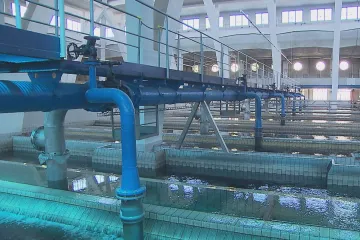
Unpredictable weather patterns, including heatwaves and severe thunderstorms followed by warm temperatures, are impacting the quality of tap water in the Czech Republic. Consequently, water treatment plants are currently operating at their maximum capacity. There are a total of two and a half thousand water treatment facilities across the country. Water managers are required to adjust treatment methods multiple times a day to address the changing water quality. This dynamic situation necessitates constant vigilance and adaptation in water purification processes to ensure the safety and potability of the public water supply.
Fluctuating weather conditions present a recurring challenge for public water infrastructure, highlighting the need for resilient and adaptable treatment systems. The necessity for frequent adjustments to purification processes underscores the sensitivity of water sources to environmental changes. This situation prompts consideration of long-term strategies, such as investing in advanced monitoring technologies and diversifying water sources, to mitigate the impact of extreme weather events and ensure consistent water quality. Future planning should also explore the integration of predictive modeling to anticipate water quality shifts, thereby optimizing operational efficiency and resource allocation within the water management sector.
AI-generated to prompt reflection — not editorial opinion, not advice, not a statement of fact. How this works.