Varicocele Surgery: When Is It Necessary?
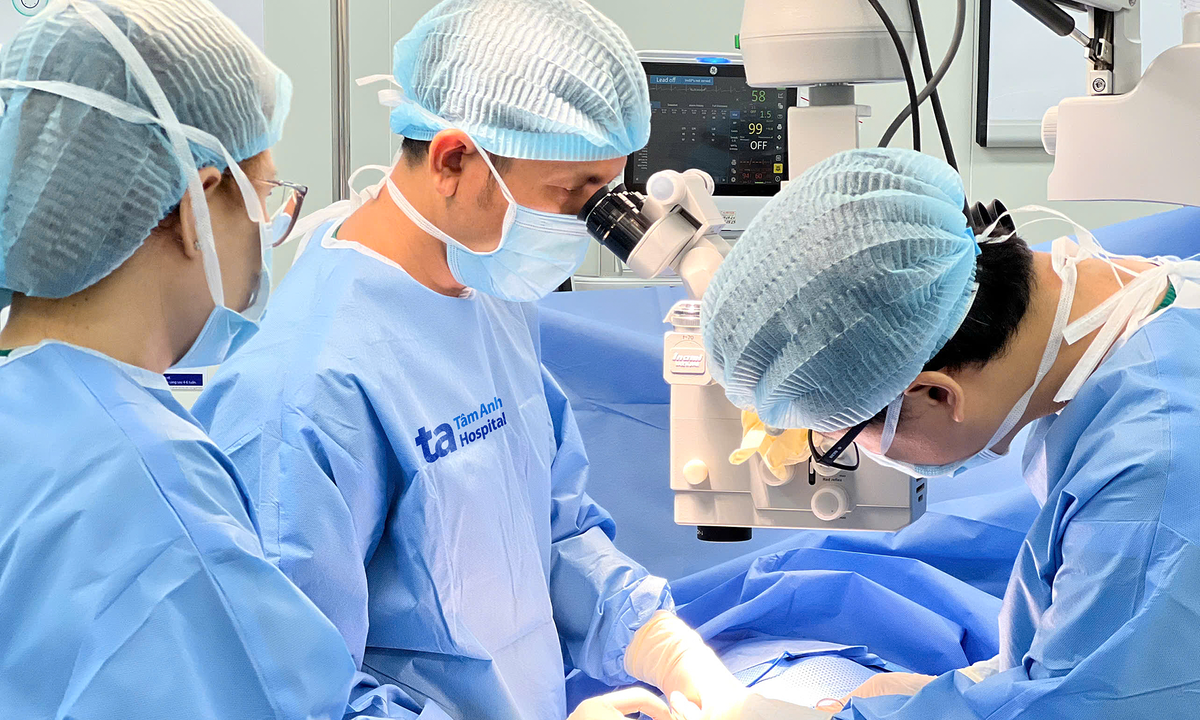
A 32-year-old man from Can Tho, identified as Minh, is seeking advice regarding surgery for varicocele. He has been trying to conceive a child for two years and has been diagnosed with this condition. The question posed is whether surgical intervention is necessary in his specific situation. Varicocele is a condition characterized by the swelling of veins within the scrotum, similar to varicose veins in the legs. It can affect sperm production and quality, potentially impacting male fertility. The decision to undergo surgery typically depends on several factors, including the severity of the varicocele, the presence of pain or discomfort, and its impact on fertility. Medical professionals often consider the patient's age, overall health, and reproductive goals when recommending treatment. Further diagnostic tests may be required to assess the extent of the condition and its potential effects on sperm parameters. While not all varicoceles require surgery, those that cause pain or infertility are often candidates for treatment. The goal of surgery is to reduce pressure in the affected veins, which can improve testicular function and potentially increase the chances of conception.
The query highlights a common concern regarding the necessity of surgical intervention for varicocele, particularly in cases of infertility. From a medical perspective, the decision hinges on a clinical assessment of the varicocele's impact on testicular function and fertility, rather than solely on its presence. This situation underscores the importance of personalized medicine, where treatment plans are tailored to individual patient circumstances, including age, reproductive aspirations, and the specific characteristics of the medical condition. Future advancements in diagnostic imaging and non-invasive treatments may offer alternative or complementary approaches, potentially reducing the need for surgical procedures and their associated risks. Evaluating the long-term efficacy and cost-effectiveness of various treatment modalities will be crucial in guiding clinical practice and patient choice.
AI-generated to prompt reflection — not editorial opinion, not advice, not a statement of fact. How this works.