Vassouras Museum Receives Rare Book on Quilombola History and Cuisine
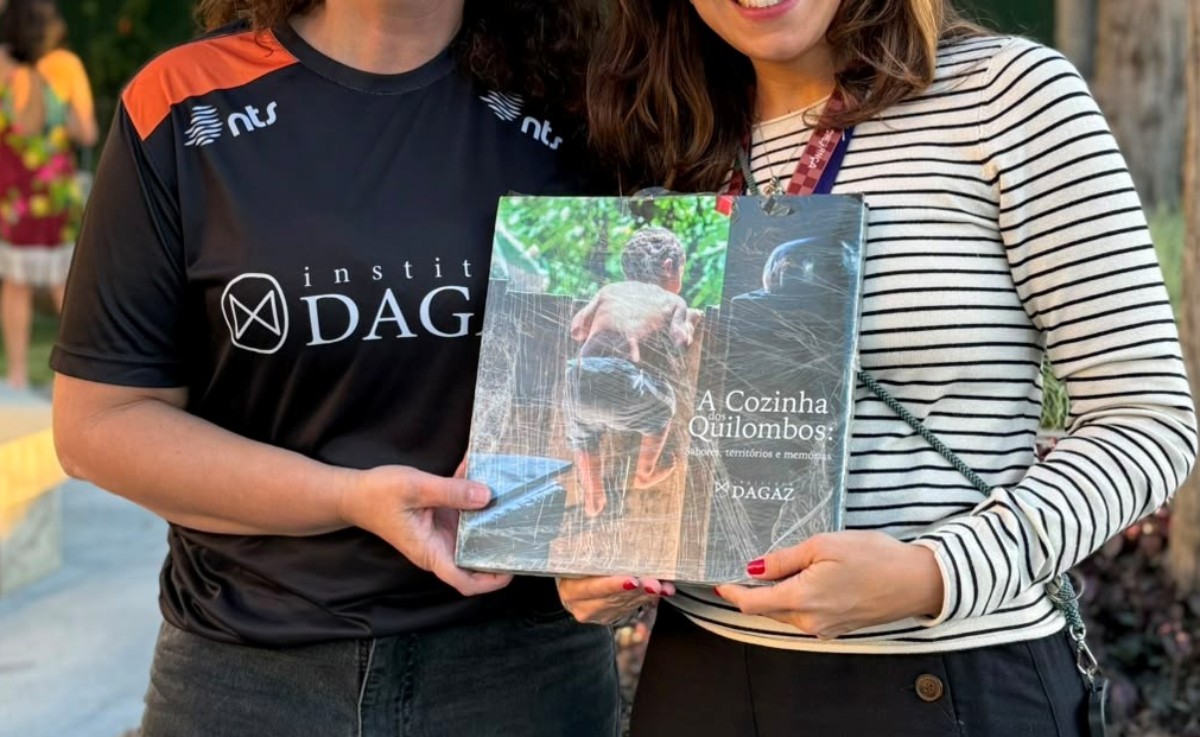
The Vassouras Museum in Rio de Janeiro has received a donated copy of the book "A Cozinha dos Quilombos: Sabores, Territórios e Memórias" (The Kitchen of the Quilombos: Flavors, Territories, and Memories). This donation occurred on Wednesday, the 16th, during a local event. The book, currently out of print, was made available to the museum's collection by the Instituto Dagaz, the organization responsible for its research and publication. The goal is to increase public access to the history and knowledge of traditional communities in the state. The book, originally produced in 2014, is the result of extensive fieldwork conducted over several months in 29 remaining quilombo communities across Rio de Janeiro. Written by historian Marileia Almeida, the work details the lifestyles, cultivation techniques, agroecological practices, and ancestral cultural traditions of these communities. It includes recipes such as "Capitão" bean fritters, beijus, dried meat paçoca, and various dishes prepared with taro leaves and corn. The project, previously recognized as a "Ponto de Memória do Brasil" (Point of Memory of Brazil) by the Ministry of Culture and winner of the Afro Fluminense Award, also offers the complete content of the book for free online in both Portuguese and English.
The donation of this historically significant and rare book to the Vassouras Museum highlights the ongoing importance of preserving and disseminating the cultural heritage of quilombola communities. The Instituto Dagaz's initiative to make the book's content freely accessible online, in multiple languages, demonstrates a commitment to broader educational outreach and combats the limitations of physical distribution. This approach acknowledges the digital age's potential for democratizing knowledge, ensuring that valuable historical and culinary traditions are not lost to scarcity. The project's recognition through national and regional awards underscores its merit in documenting and celebrating Afro-Brazilian culture. Looking ahead, such efforts are crucial for fostering a more inclusive historical narrative and understanding the diverse contributions to Brazilian society, particularly as AI technologies can further aid in archiving and accessing such cultural assets.
AI-generated to prompt reflection — not editorial opinion, not advice, not a statement of fact. How this works.