Vast Carbon Emissions Detected from World's Largest Dried Lakebed, But a Solution Exists
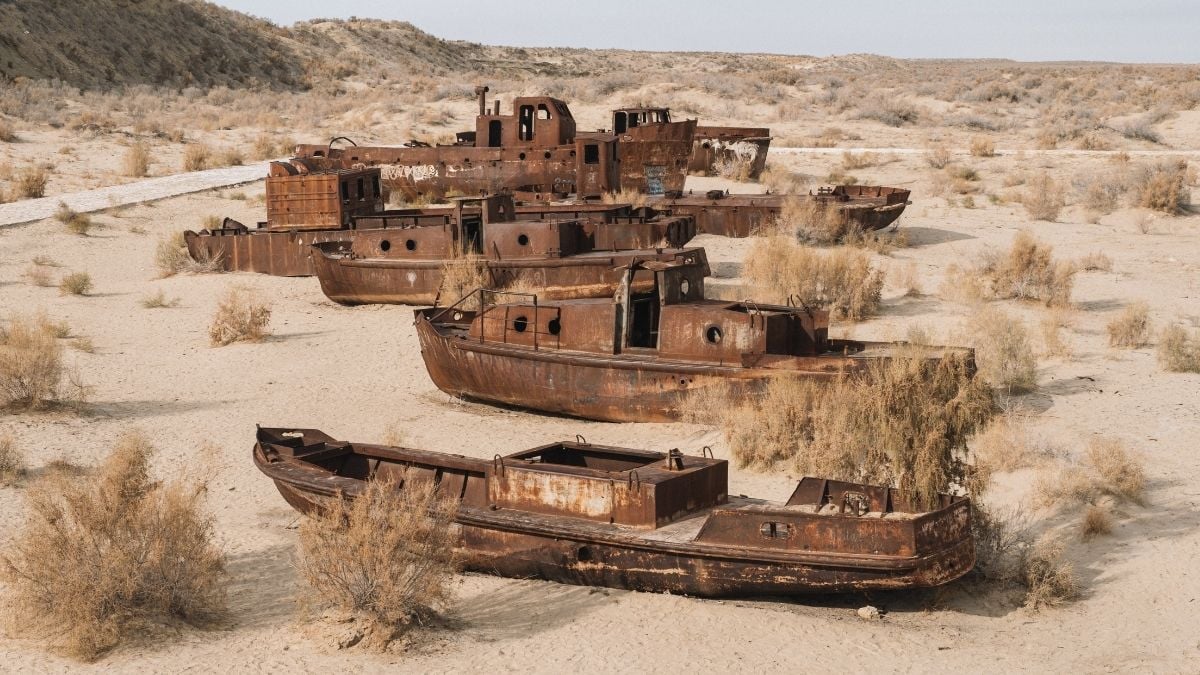
The world's largest dried lakebed is releasing significant quantities of carbon, posing an environmental concern. Scientists have identified this issue and, more importantly, have proposed a potential solution. The proposed fix involves a substantial influx of water, suggesting that a major flood event could mitigate the carbon leakage. This finding highlights the complex environmental dynamics of arid regions and the potential impact of climate change on these ecosystems. The research indicates that such dry lakebeds, while appearing inert, can act as significant sources of greenhouse gases. The scientific community is exploring ways to manage these emissions, with the current focus on hydrological interventions. Further details on the specific mechanisms of carbon release and the efficacy of the proposed water-based solution are expected to be elaborated upon in scientific publications.
The detection of substantial carbon emissions from a large dried lakebed underscores the often-overlooked environmental impacts of aridification and climate change on geological formations. While the proposed solution of a significant flood offers a direct intervention, it raises questions about the long-term sustainability and feasibility of such large-scale hydrological management. This situation highlights a potential systemic contradiction: as climate change leads to drying, it simultaneously creates new sources of greenhouse gas emissions, which in turn can exacerbate climate change. Future strategies may need to consider proactive ecosystem management and carbon sequestration techniques that are less reliant on rare, large-scale natural events, especially in a world facing increasing water scarcity.
AI-generated to prompt reflection — not editorial opinion, not advice, not a statement of fact. How this works.