Vastu Shastra: Avoid Building Toilets in the Northeast Corner of Your Home
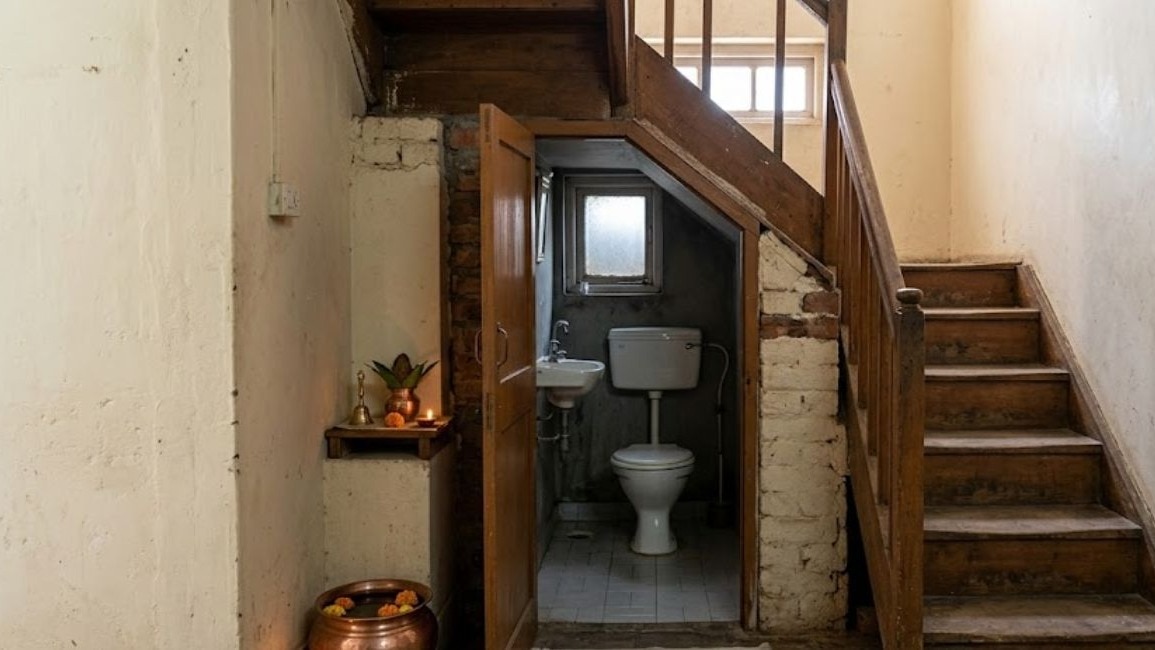
According to Vastu Shastra principles, constructing a toilet in the Ishan Kon (northeast direction) of a house can lead to severe vastu dosha (architectural defects). This placement is believed to negatively impact residents' health and disrupt mental peace. Individuals residing in such homes may frequently experience stress, anxiety, and a sense of imbalance. The principles of Vastu Shastra suggest that specific directions hold particular energies, and placing certain facilities in the wrong areas can disrupt the natural harmony of the living space. The northeast is often considered a sacred and auspicious direction, making it unsuitable for facilities like toilets, which are associated with negative energies. Adhering to these guidelines is thought to promote well-being and prosperity within the household. Therefore, it is strongly advised to avoid building toilets in this specific corner to prevent persistent health issues and maintain a tranquil environment.
The principles of Vastu Shastra, an ancient Indian system of architecture and design, are rooted in beliefs about energy flow and its impact on human well-being. While Vastu Shastra offers a framework for harmonious living spaces, its efficacy is not supported by empirical scientific evidence. From a modern perspective, the placement of a toilet is primarily a matter of practical plumbing, hygiene, and structural integrity. Concerns about health and mental peace are more directly addressed through sanitation standards, ventilation, and overall home maintenance, rather than directional placement. The belief that a specific direction can cause illness or imbalance may reflect a cultural understanding of environmental influences, but modern public health and psychology offer more scientifically validated explanations for stress, anxiety, and health issues. Future urban planning and residential design will likely continue to integrate practical considerations with evolving cultural and psychological needs for well-being.
AI-generated to prompt reflection — not editorial opinion, not advice, not a statement of fact. How this works.