Vastu Shastra: Why Counting Rotis Can Limit Prosperity, According to Beliefs
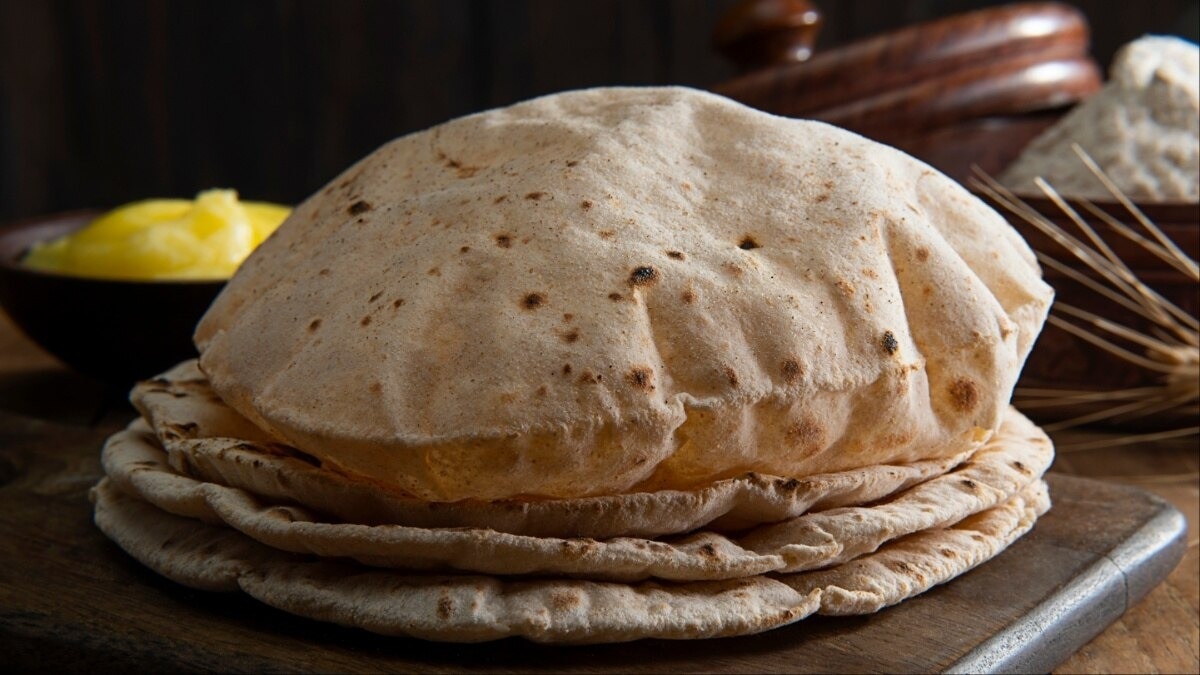
According to Vastu Shastra, a traditional Indian system of architecture and design, counting the number of rotis (Indian flatbreads) prepared in a household can negatively impact the family's well-being. This practice is believed to limit the home's prosperity and invite the influence of Rahu dosha, a malefic planetary influence in Vedic astrology. Vastu experts suggest that preparing rotis without counting them is a way to ensure abundance and ward off negative energies. The belief stems from the idea that an exact count can signify scarcity or a lack of divine blessings. Therefore, to maintain harmony and attract good fortune, it is advised to cook rotis with an open mind, without adhering to a specific number.
This Vastu Shastra belief highlights a cultural perspective on abundance and scarcity, linking everyday practices like food preparation to spiritual and astrological outcomes. From a systems perspective, such beliefs can influence household routines and potentially create psychological stress if adherents feel they are failing to meet perceived spiritual requirements. The concept of Rahu dosha suggests a framework for understanding misfortune, attributing it to external cosmic forces rather than internal systemic issues. In the context of the AI era, where efficiency and data-driven decisions are paramount, these traditional beliefs offer a contrast, emphasizing qualitative aspects of life and spiritual well-being over quantifiable metrics. The underlying principle may reflect an ancient wisdom about the psychological impact of perceived limitations versus a mindset of generosity and sufficiency.
AI-generated to prompt reflection — not editorial opinion, not advice, not a statement of fact. How this works.