Vastu Shastra: Why the First Roti is for Cows and the Last for Dogs
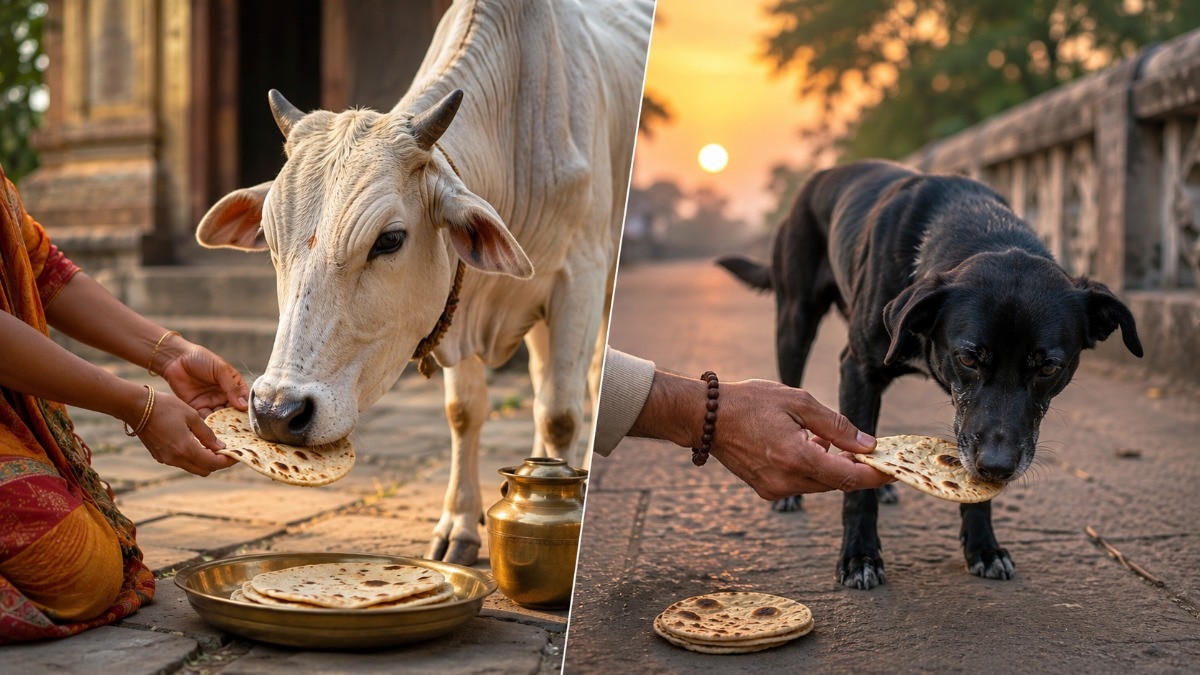
According to Vastu Shastra, a traditional Indian system of architecture and design, the practice of preparing and offering the first and last rotis (Indian flatbreads) can significantly impact one's fortune. Neglecting the proper handling or consumption of these specific rotis is believed to lead to financial drain and persistent health issues within a household. Vastu principles suggest that the first roti should be offered to a cow, symbolizing prosperity and well-being. Conversely, the last roti is traditionally designated for dogs, representing the appeasement of negative energies and the fulfillment of ancestral duties. Adhering to these Vastu rules for roti preparation and offering is thought to rectify financial losses and improve the overall health of family members. This practice is rooted in the belief that specific rituals involving food offerings can harmonize cosmic energies and bring good luck.
The Vastu Shastra principles regarding the offering of the first and last rotis to animals highlight a cultural practice aimed at achieving balance and mitigating perceived negative influences. From a systemic perspective, these rituals can be viewed as a mechanism for fostering mindful food preparation and resource distribution, potentially encouraging gratitude and reducing waste. The association of specific animals with these offerings may reflect ancient ecological relationships and symbolic interpretations of their roles in the broader cosmic order. In the context of modern living, adherence to such practices can serve as a reminder of interconnectedness with nature and the importance of ethical consumption, contributing to a sense of order and well-being within households.
AI-generated to prompt reflection — not editorial opinion, not advice, not a statement of fact. How this works.