Vatican Defends Pope Leo XIV Amid US Claims of Political Rhetoric
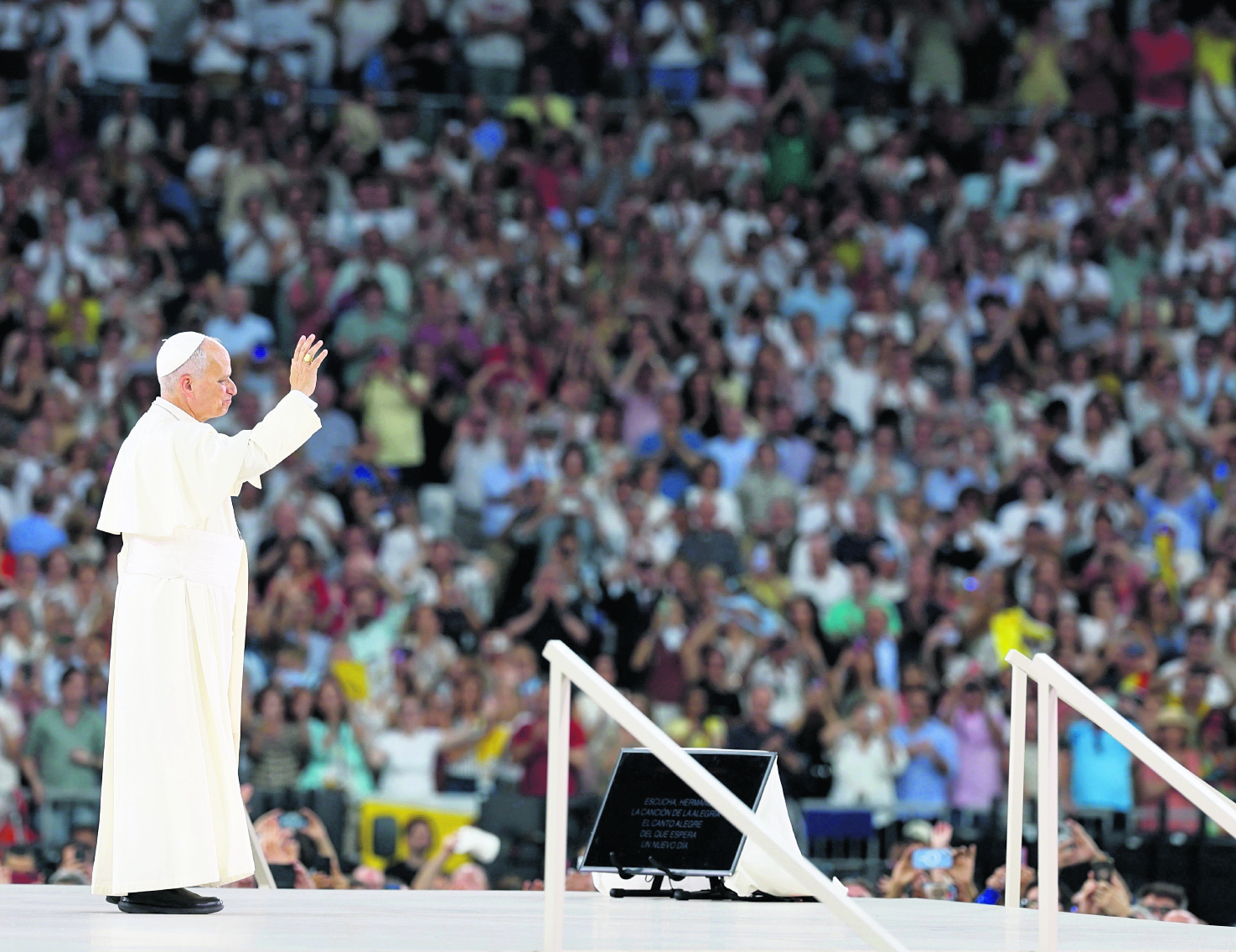
The Vatican has responded to accusations from the United States suggesting that Pope Leo XIV is speaking like a politician. The Holy See asserts that the Pope's pronouncements are solely in line with the teachings of the Gospel. This defense comes after Pope Leo XIV publicly criticized the United States' military actions against Iran. The Vatican's position emphasizes that its spiritual leader's statements are rooted in religious doctrine and not political maneuvering. The exchange highlights a tension between the Holy See's moral guidance and geopolitical events. The Vatican maintains its role is to proclaim the Gospel, regardless of the political climate or international conflicts. This incident underscores the complex relationship between religious institutions and global politics. The Holy See's statement aims to clarify the Pope's intentions and reaffirm the Church's spiritual mission.
The Vatican's assertion that Pope Leo XIV's criticisms of US foreign policy are purely evangelical pronouncements frames the discourse within a spiritual context. This stance seeks to insulate the Holy See from accusations of political interference by emphasizing its adherence to religious doctrine. However, in an era where geopolitical events are increasingly intertwined with global public opinion, religious leaders' moral pronouncements inevitably carry significant weight and can be perceived as political commentary. The challenge for religious institutions lies in navigating the space between offering ethical guidance on matters of peace and justice, and avoiding actions that could be interpreted as partisan political engagement. This dynamic interaction between faith and global affairs will likely continue to shape the influence and perceived role of religious bodies in the 21st century.
AI-generated to prompt reflection — not editorial opinion, not advice, not a statement of fact. How this works.