Vatican Excommunicates Brazilian Priest and Chapel for Ties to Traditionalist Group
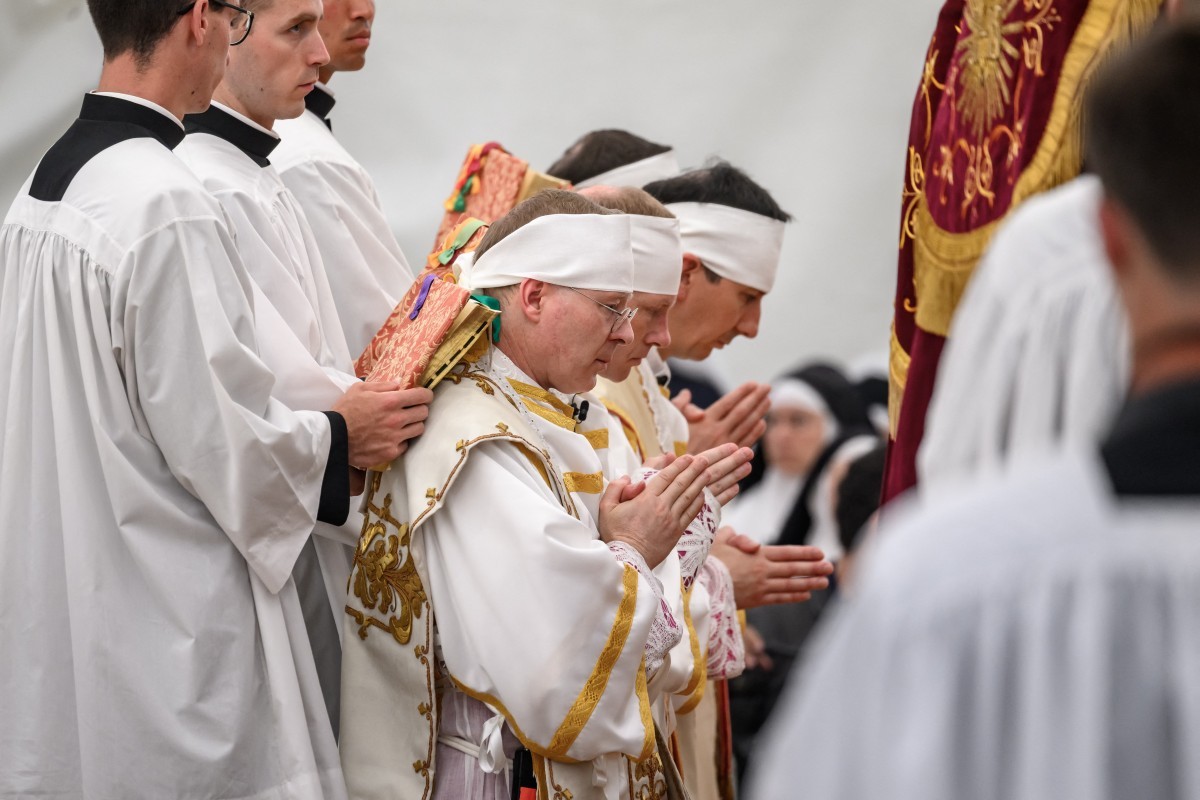
The Archdiocese of Brasília has confirmed the excommunication of Father Françoá Rodrigues Figueiredo Costa and the Santo Atanásio Chapel in Ceilândia. This action by the Vatican stems from their adherence to the Priestly Fraternity of Saint Pius X (FSSPX), an ultraconservative Catholic group that has challenged Pope Leo XIV. The Vatican declared that all priests and Catholics formally joining the FSSPX are now in schism and excommunicated.
The Archdiocese of Brasília issued a statement on Monday, May 13, emphasizing that any celebrations, pastoral activities, or formation initiatives held at the Santo Atanásio Chapel are considered irregular and should be strictly avoided by the faithful due to the risk of gradual adherence to the schism. The faithful are urged to maintain communion with the Pope and the College of Bishops, and to adhere to the living Magisterium of the Church, avoiding environments that promote practical rupture with unity and communion.
The FSSPX is officially considered "in schism" with the Catholic Church, meaning it is separated from the Church's order. This follows the fraternity's defiance of Pope Leo XIV by ordaining four bishops without the Holy See's authorization in Ecône, Switzerland, an act the Vatican deemed "schismatic." The FSSPX advocates for the return of Latin Mass and rejects reforms implemented by the Vatican over 60 years ago, viewing them as a departure from Catholic tradition. The group also prefers priests to face the altar during Mass and rejects certain liturgical and pastoral reforms since the Second Vatican Council.
This event highlights the ongoing tension between the Vatican's efforts to maintain doctrinal unity and the resurgence of traditionalist movements within Catholicism. The excommunication of Father Costa and the Santo Atanásio Chapel demonstrates the Holy See's firm stance against groups perceived as challenging its authority and established reforms. From a systems perspective, the FSSPX's actions, particularly the unauthorized ordination of bishops, represent a direct challenge to the hierarchical structure and governance of the Catholic Church. This schism underscores a fundamental disagreement over the interpretation of tradition and the acceptance of post-Vatican II changes. Looking ahead, such divisions may continue to test the Church's ability to adapt to evolving theological and social landscapes while preserving its institutional integrity and global reach.
AI-generated to prompt reflection — not editorial opinion, not advice, not a statement of fact. How this works.