Vatican Excommunicates Traditionalist Catholic Group and Priest in Brazil
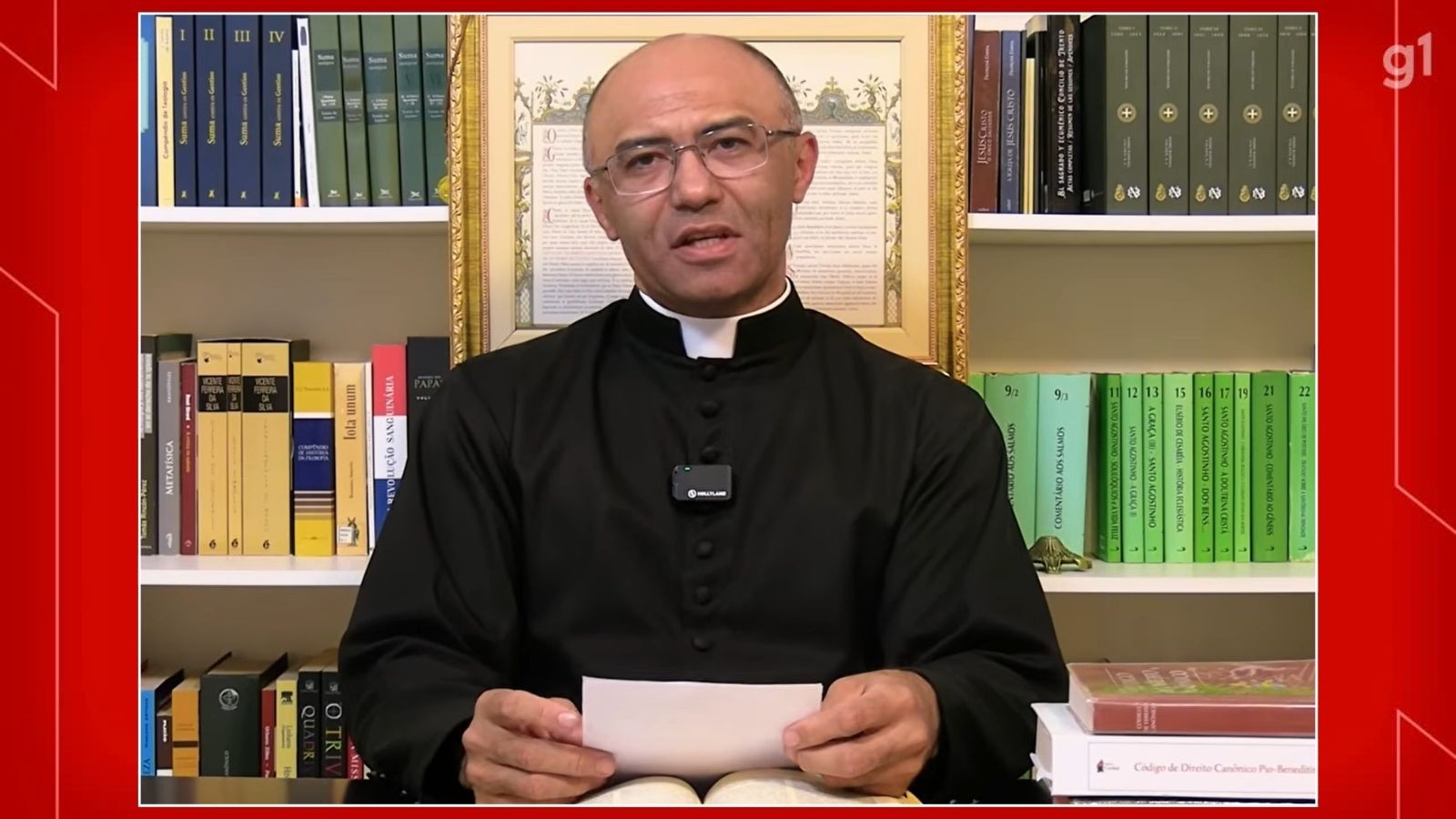
The Vatican has excommunicated a church and a priest in Brazil's Federal District for their adherence to the Priestly Fraternity of Saint Pius X (FSSPX), an ultraconservative Catholic group in schism. Father Françoá Rodrigues Figueiredo Costa, from the Santo Atanásio Chapel in Ceilândia, has rejected the excommunication confirmed by the Archdiocese of Brasília, stating he will continue celebrating masses. The FSSPX, founded in the 1970s, comprises traditionalist Catholics who reject reforms from the Second Vatican Council, viewing them as a departure from church tradition. Key tenets of the FSSPX include the return of Latin masses, celebrations with the priest facing the altar, rejection of the separation of church and state, opposition to interreligious dialogue, and disapproval of recent liturgical and pastoral reforms. The FSSPX claims its founder, Archbishop Marcel Lefebvre, intended no challenge to the Pope, emphasizing respect for the papacy and adherence to uninterrupted Catholic tradition. Globally, the FSSPX reports 720 priests and nearly half a million faithful. The excommunication follows the FSSPX's defiance of Pope Leo XIV by consecrating four bishops without Holy See authorization, an act the Vatican deemed "cismatic." This unauthorized consecration, performed in Écône, Switzerland, involved priests from France, the US, and Switzerland, and drew thousands of faithful. The Vatican had issued a final appeal to FSSPX superior Father Davide Pagliarani to abandon the project, warning of consequences. Excommunication, the gravest penalty in Canon Law, prevents full participation in church life but does not negate one's Catholic identity. The Vatican also declared that sacraments performed by the FSSPX are illicit, rendering their marriages and confessions invalid in the eyes of the Catholic Church. Clergy and laity joining the group are also considered in schism and excommunicated. Father Costa, in social media videos, deemed the excommunications and schism accusations "invalid" and "null," asserting he would respond to the Archdiocese's statement.
This situation highlights a persistent tension between Vatican authority and traditionalist Catholic movements seeking to preserve pre-Vatican II practices. The FSSPX's actions, particularly the unauthorized consecration of bishops, represent a direct challenge to papal governance, triggering canonical sanctions. While the Vatican aims to maintain doctrinal unity and hierarchical control, the FSSPX's stance reflects a deep-seated concern over perceived deviations from historical Catholic tradition. The excommunication, while severe, may paradoxically bolster the group's resolve among its followers, framing their separation as a defense of authentic Catholicism. Looking ahead, such schismatic movements may continue to test the Catholic Church's capacity to accommodate diverse expressions of faith while upholding its institutional integrity and universal doctrine in an era of increasing ideological fragmentation.
AI-generated to prompt reflection — not editorial opinion, not advice, not a statement of fact. How this works.