Vatican Excommunicates Traditionalist Catholic Group for Defying Pope
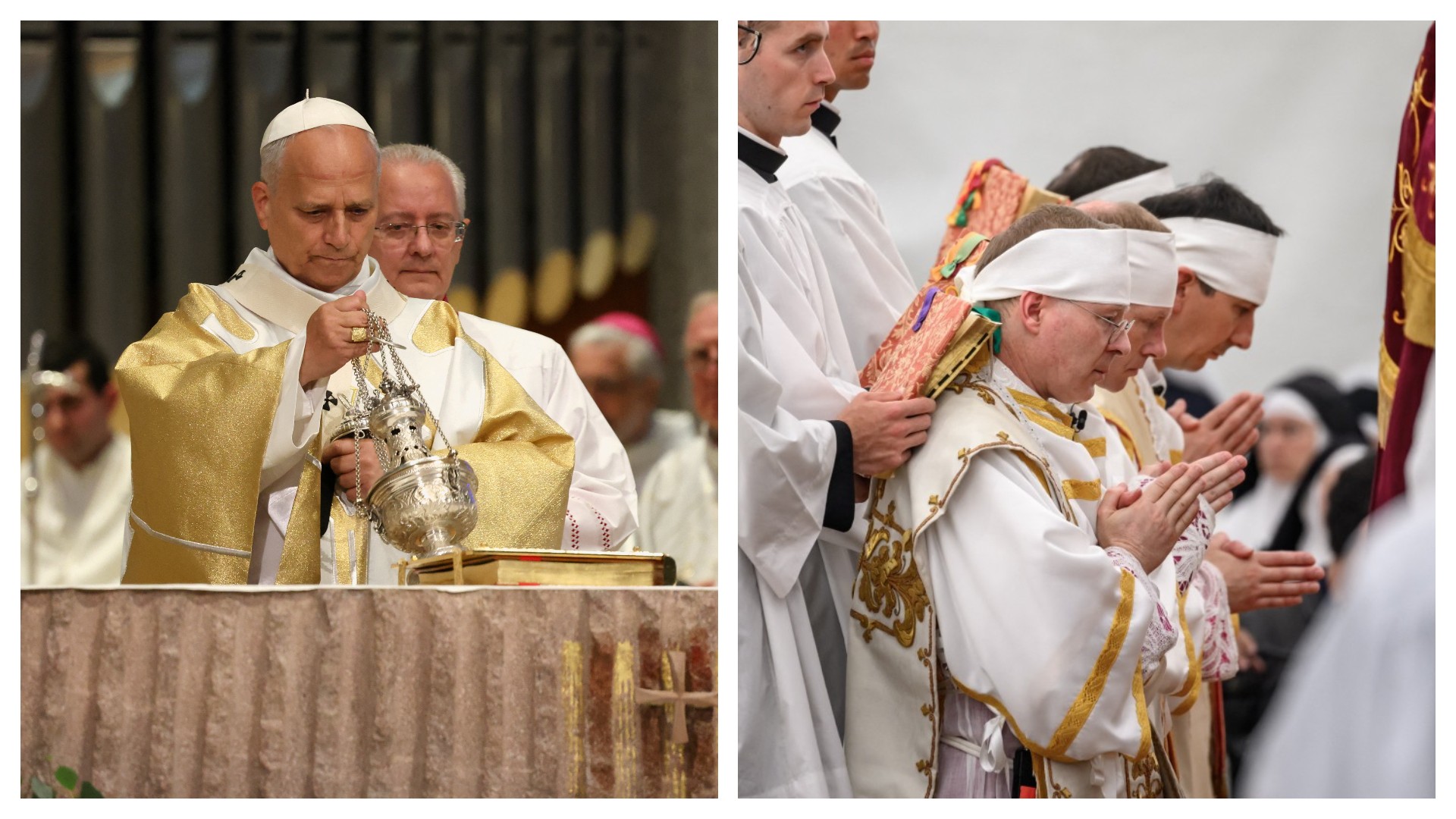
The Vatican has excommunicated the Priestly Society of Saint Pius X (SSPX), a prominent traditionalist Catholic group, following their defiance of Pope Leo XIV. The group's bishops were excommunicated on Thursday, October 2nd, and sacraments they perform, such as marriages and confessions, have been declared invalid by the Holy See. The SSPX, founded in the 1970s, advocates for the reversal of reforms introduced by the Second Vatican Council, which they believe led the Church away from its traditions. Key tenets of the SSPX include the return of Latin Masses, priests facing the altar during services, rejection of the separation between Church and State, and opposition to the Church's dialogue with other religions. This latest confrontation stems from the SSPX ordaining four bishops without papal authorization on Wednesday, October 1st, in Écône, Switzerland, despite a direct appeal from Pope Leo XIV to abandon the plan. According to Vatican analyst Filipe Domingues, this act constitutes automatic excommunication and a schismatic move, signifying a rupture with the Pope and the Church's communion. The SSPX, which claims around 500,000 faithful and 700 priests, views itself as the sole holder of true faith and believes it must oppose the Pope to preserve it. The Vatican has warned that priests and laity joining the SSPX are now considered in schism and excommunicated. This situation is not unprecedented; in 1988, the SSPX founder also ordained bishops without papal consent, leading to excommunication, which was later revoked by Pope Benedict XVI in 2009. However, the group's canonical status remained irregular, and the underlying disagreements persisted, leading to this renewed impasse.
This event highlights a persistent tension between institutional authority and ideological adherence within the Catholic Church. The SSPX's actions, while framed as defending "true faith," represent a direct challenge to the papacy's governance and the established canonical order. The Vatican's response, characterized by excommunication, aims to uphold its authority and the integrity of its sacraments, while also signaling a potential path for reconciliation. Historically, such schisms often arise from differing interpretations of tradition and modernity, with groups like the SSPX seeking to preserve perceived immutable doctrines against perceived secularizing influences. The long-term implications involve the potential fragmentation of the faithful and the ongoing debate about how the Church should engage with contemporary societal changes while maintaining its historical identity. The Church's capacity to integrate or manage such dissenting factions will be a key factor in its future cohesion and global influence.
AI-generated to prompt reflection — not editorial opinion, not advice, not a statement of fact. How this works.