Vatican Excommunicates Traditionalist Group Over Liturgical Disputes
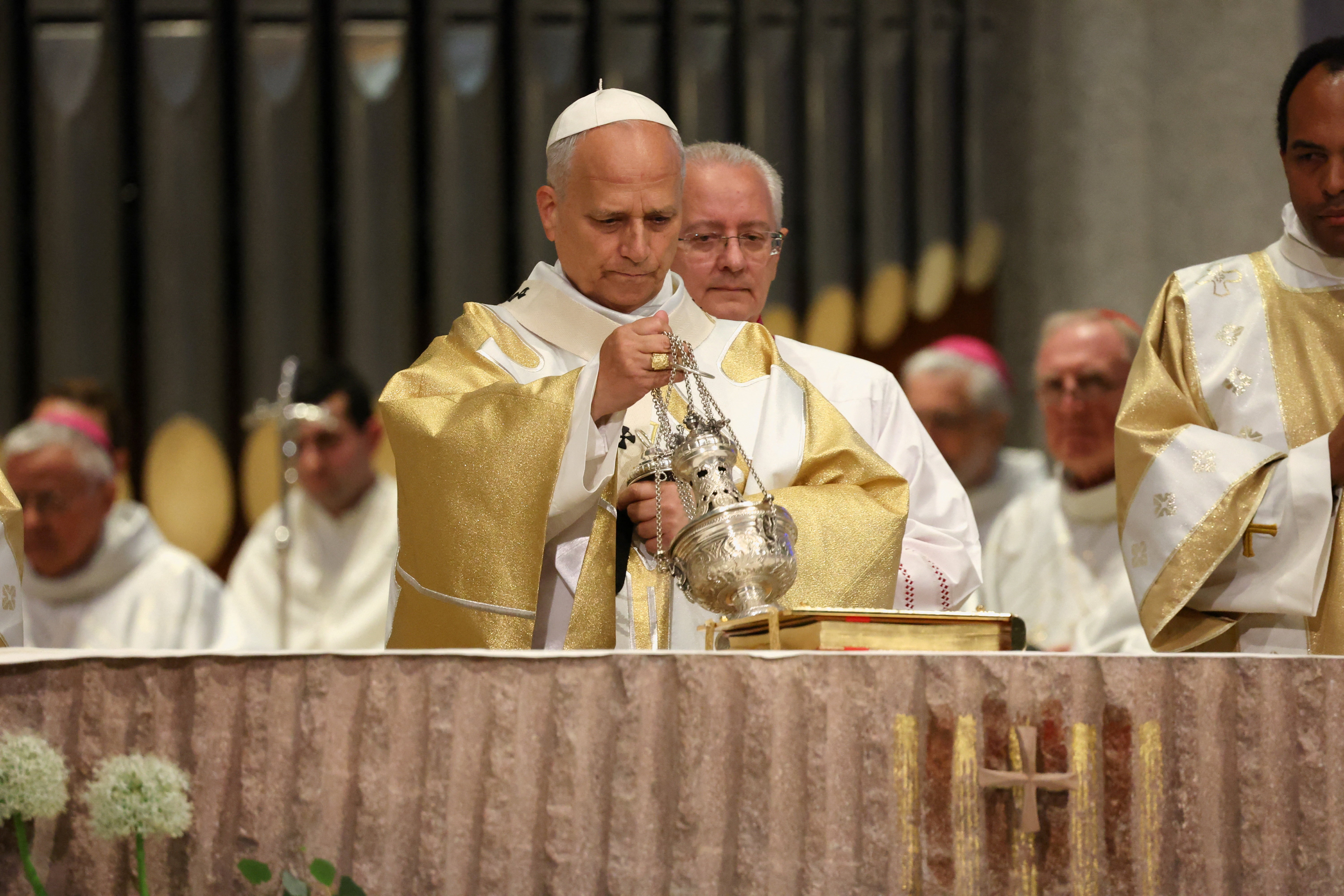
The Vatican has excommunicated the leadership of the ultraconservative Priestly Fraternity of Saint Pius X (FSSP), a traditionalist congregation known for celebrating Mass in Latin. This action, however, is not primarily about the use of the Latin language itself, but rather stems from the group's refusal to recognize the authority of the Pope and its persistent rejection of the reforms introduced by the Second Vatican Council (1962-1965). The FSSP's adherence to the Tridentine rite, a pre-Vatican II liturgical form, is a visible manifestation of their broader ideological stance. Experts emphasize that the Latin language is not prohibited by the Catholic Church and can be used, especially during solemn occasions, as seen in recent Vatican Masses. The core issue lies in the FSSP's insistence on a specific, pre-conciliar rite and their disregard for contemporary Church directives. Pope Francis, concerned about the proliferation of such ultraconservative groups, issued the 'Traditionis Custodes' document in 2021, restricting the celebration of the Tridentine Mass to specific circumstances with episcopal authorization. This directive also requires groups adhering to this liturgy to acknowledge the validity of the liturgical reforms and the teachings of subsequent Popes. Previously, Pope Benedict XVI had made the Tridentine Mass more accessible in 2007, allowing any priest to celebrate it without special permission, which led to a growth in its practice worldwide. The FSSP's insistence on this particular rite, often characterized by the priest facing away from the congregation ('ad orientem'), is seen as a challenge to the Church's efforts to foster unity and inclusivity through vernacular languages and updated liturgical practices.
The Vatican's excommunication of the Priestly Fraternity of Saint Pius X highlights a persistent tension between liturgical tradition and institutional reform within the Catholic Church. While the use of Latin is not the direct cause, the FSSP's adherence to pre-Vatican II rites and rejection of conciliar reforms represent a challenge to papal authority and the Church's evolving pastoral approach. This situation underscores the complex dynamics of maintaining doctrinal unity while accommodating diverse expressions of faith. The Church's efforts, particularly under Pope Francis, to regulate traditionalist practices aim to prevent schism and ensure adherence to its magisterium, balancing the preservation of certain liturgical forms with the imperative of a unified, modern Church. The long-term implications involve navigating the appeal of traditionalism against the Church's stated goals of inclusivity and engagement with contemporary society.
AI-generated to prompt reflection — not editorial opinion, not advice, not a statement of fact. How this works.