Vatican Excommunicates Ultraconservative Bishops for Unauthorized Ordinations
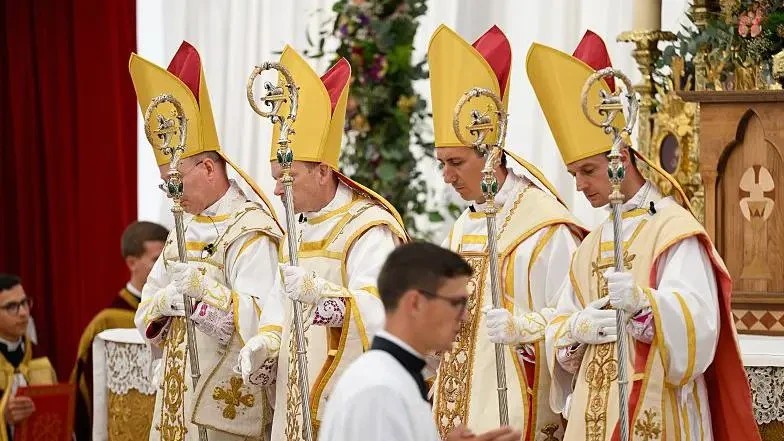
The Vatican has excommunicated priests and Catholics belonging to a dissident Catholic group, the Priestly Fraternity of Saint Pius X (FSSPX), for ordaining bishops without papal authorization. This decision follows a decree from the Dicastery for the Doctrine of the Faith, which declared that sacraments performed by the FSSPX are illicit and that its followers are in schism. The decree specifically named the two bishops, Alfonso de Galarreta and Bernard Fellay, who led the unauthorized ordination in Switzerland, along with the four newly consecrated bishops: Pascal Schreiber, Michael Goldade, Michel Poinsinet de Sivry, and Marc Hanappier. The Vatican stated that all priests and adhering Catholics of the FSSPX are now excommunicated and in schism, meaning they cannot validly celebrate sacraments like marriages or hear confessions. This action stems from the FSSPX's refusal to accept the reforms of the Second Vatican Council (1962-1965), which modernized Catholic practices, including the shift from Latin to local languages in liturgy and increased emphasis on biblical interpretation by laypeople. The FSSPX, founded in 1970 by Archbishop Marcel Lefebvre, continues to celebrate Mass in Latin with the priest facing away from the congregation, a practice reminiscent of medieval traditions. Lefebvre himself was excommunicated in 1988 for a similar unauthorized ordination of bishops, yet the congregation has since grown internationally, establishing a significant presence in Brazil over the last two decades. The group cited "exceptional circumstances" for proceeding with the ordinations despite last-minute appeals from the Pope, highlighting a persistent tension between traditionalist factions and the Vatican's authority.
The Vatican's excommunication of the FSSPX bishops underscores a recurring tension between institutional authority and theological conservatism within the Catholic Church. This event highlights the inherent challenge of maintaining doctrinal unity when a significant faction prioritizes adherence to pre-Vatican II traditions over papal directives. The FSSPX's growth, particularly in regions experiencing a rise in conservative sentiment, suggests a broader societal trend toward traditionalism that may continue to test the Church's adaptive capacity. Looking ahead, the Church faces the ongoing dilemma of how to reconcile deeply held traditionalist beliefs with the evolving social and theological landscape of the 21st century, particularly in an era where digital communication can amplify dissenting voices and movements globally.
AI-generated to prompt reflection — not editorial opinion, not advice, not a statement of fact. How this works.