Vatican Excommunicates Ultraconservative Group; Group Appeals Decision
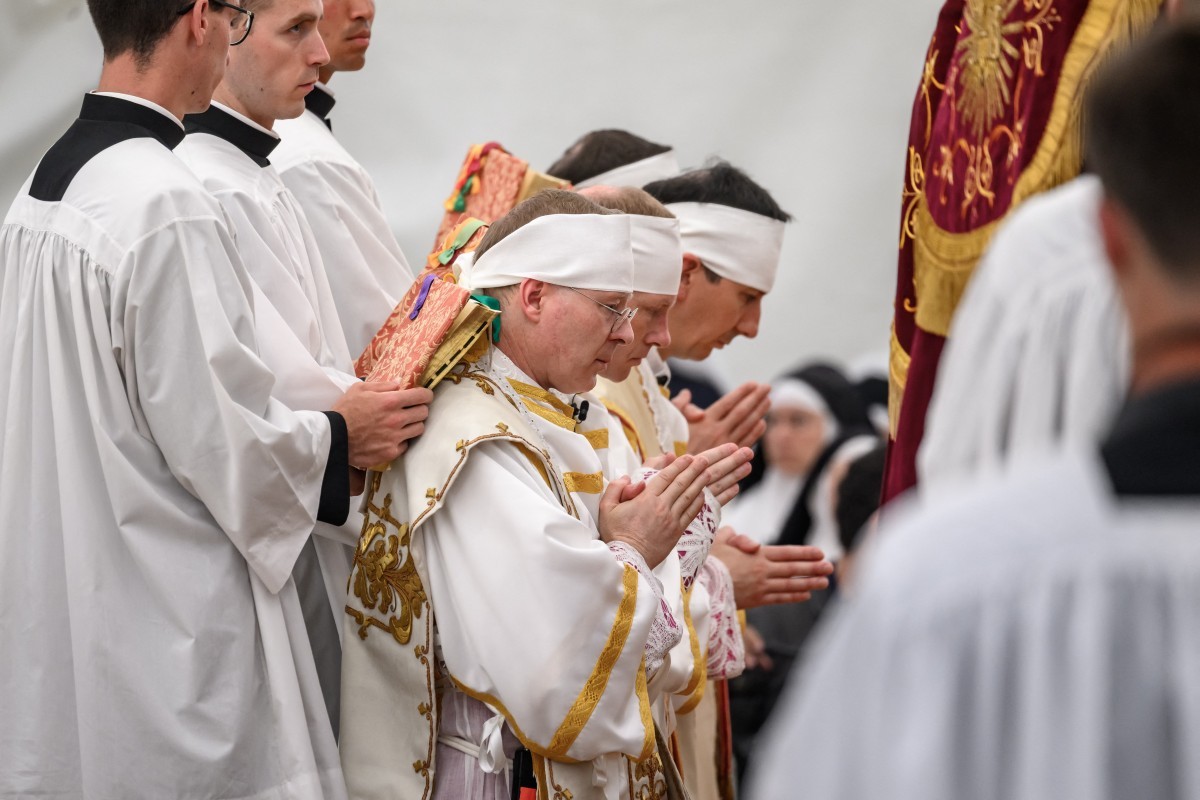
The ultraconservative Catholic group Fraternity of Saint Pius X (SSPX) has appealed the Vatican's decision to excommunicate its bishops. The Vatican declared the SSPX "in schism" on July 2, 2026, after the group ordained four bishops without authorization from Pope Leo XIV. The Holy See subsequently excommunicated these bishops, declared their sacraments invalid, and advised the faithful against associating with the group. The SSPX, which advocates for the return of Latin Masses and rejects reforms implemented by the Vatican over 60 years ago, formally submitted its appeal on July 11, 2026. The group stated it is exercising its right to request a review of an administrative act it deems harmful, acting in respect for ecclesiastical authority and adherence to justice, truth, and the good of the Church. The Vatican warned that sacraments performed by the SSPX are illicit and cannot be recognized by the Catholic Church, and that priests and lay faithful joining the group are also considered in schism and excommunicated. Pope Leo XIV had made a final appeal to SSPX superior Father Davide Pagliarani to abandon the ordination ceremony, warning of consequences. The ordinations of two French, one American, and one Swiss bishop occurred before thousands of faithful at the fraternity's headquarters. The Vatican considers the ordination of bishops without papal consent a break in communion with the Catholic Church. The SSPX, founded in 1970 by French bishop Marcel Lefebvre, opposes changes from the Second Vatican Council (1962-1965), such as the shift away from Latin Masses and priests facing the congregation. This marks a significant escalation in the ongoing conflict between the Holy See and the SSPX, the largest dissident group in traditionalist Catholicism, reigniting an impasse that spans multiple pontificates.
This event highlights a persistent tension within the Catholic Church between traditionalist factions seeking to preserve pre-Vatican II practices and the Vatican's efforts to maintain doctrinal unity and adapt to contemporary contexts. The SSPX's appeal, framed within ecclesiastical procedures, signals a strategic attempt to engage with the Holy See's administrative structures while asserting its theological positions. The Vatican's decisive action, however, underscores its commitment to hierarchical authority and the integrity of sacraments as defined by current canon law. This recurring conflict, spanning decades and multiple pontificates, illustrates the enduring challenge of reconciling deeply held traditionalist views with the evolving pastoral and liturgical landscape of the Church, particularly in an era where digital communication can amplify both dissent and calls for unity.
AI-generated to prompt reflection — not editorial opinion, not advice, not a statement of fact. How this works.