Vatican Uses AI Detector to Verify Pope's Encyclical is Human-Written
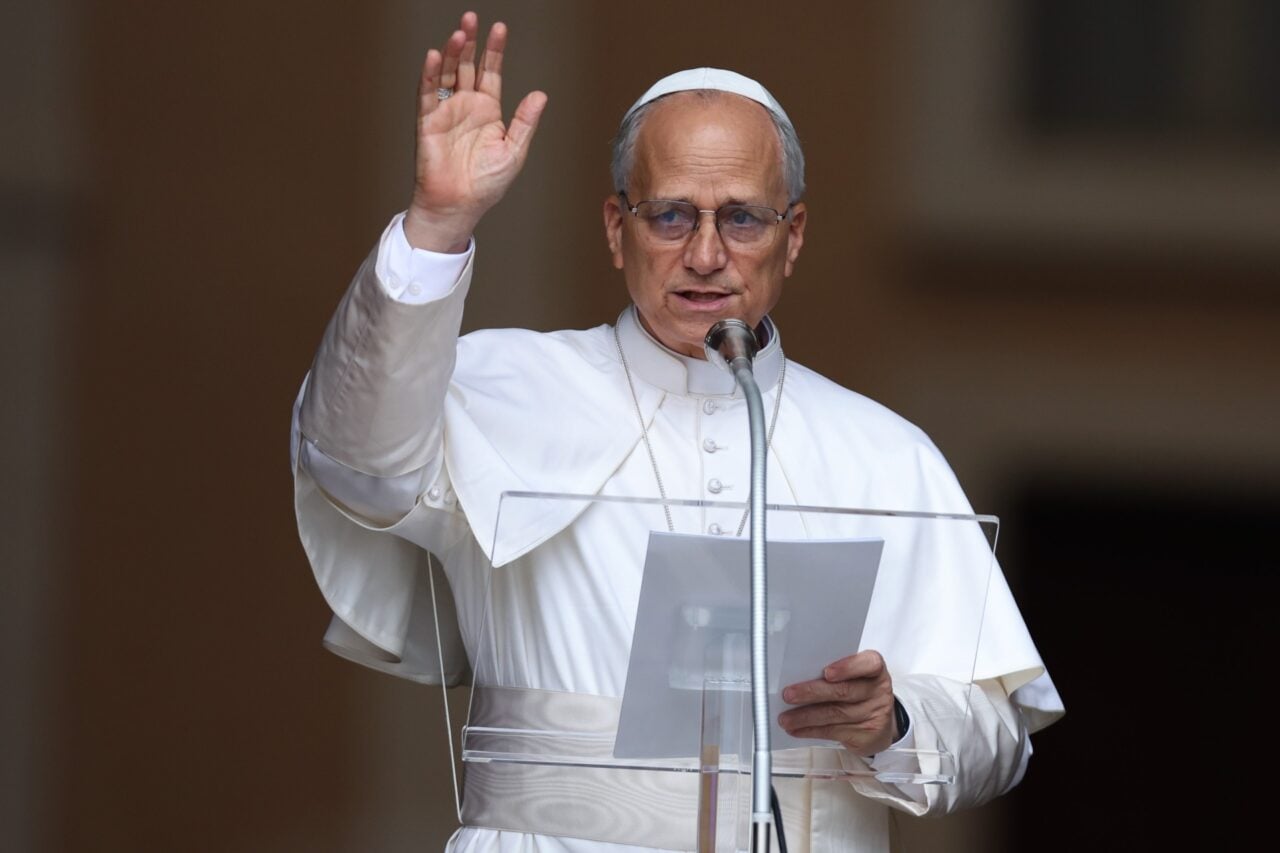
The Vatican has employed an artificial intelligence detection tool to confirm that a recent encyclical attributed to Pope Francis was indeed written by humans and not generated by AI. This measure was taken to address skepticism and ensure the authenticity of the document, which discusses the ethical implications of technology. The Pope's encyclical, titled 'Laudato Si' or 'Praise Be to You,' was originally published in 2015 and has been a significant text in discussions about environmental stewardship and social justice. The recent verification process aimed to preemptively counter claims that such profound theological and ethical statements could be produced by machines. The Vatican's use of AI detection technology highlights the growing concern within religious and academic institutions about the proliferation of AI-generated content and its potential to mislead or devalue human authorship. This initiative underscores the importance placed on human intellect, faith, and the unique voice of spiritual leadership in communicating foundational doctrines and ethical guidance. The move also signals a proactive stance by the Holy See in navigating the complexities introduced by advanced AI in various sectors of society.
The Vatican's decision to employ AI detection for a papal encyclical reflects a broader societal challenge in discerning authentic human expression from machine-generated content. This situation highlights the increasing sophistication of AI in mimicking human writing styles, raising questions about authorship, originality, and the perceived value of human intellect. As AI capabilities advance, institutions reliant on human-created content, particularly in fields like theology, philosophy, and art, will face growing pressure to implement verification mechanisms. This proactive stance by the Vatican, while addressing immediate concerns about authenticity, also prompts reflection on how human creativity and spiritual authority will be understood and preserved in an era where AI can produce highly convincing imitations. The long-term implications involve navigating the evolving relationship between human and artificial intelligence in cultural and intellectual production.
AI-generated to prompt reflection — not editorial opinion, not advice, not a statement of fact. How this works.