Vega: The Second Brightest Star with Unique Characteristics
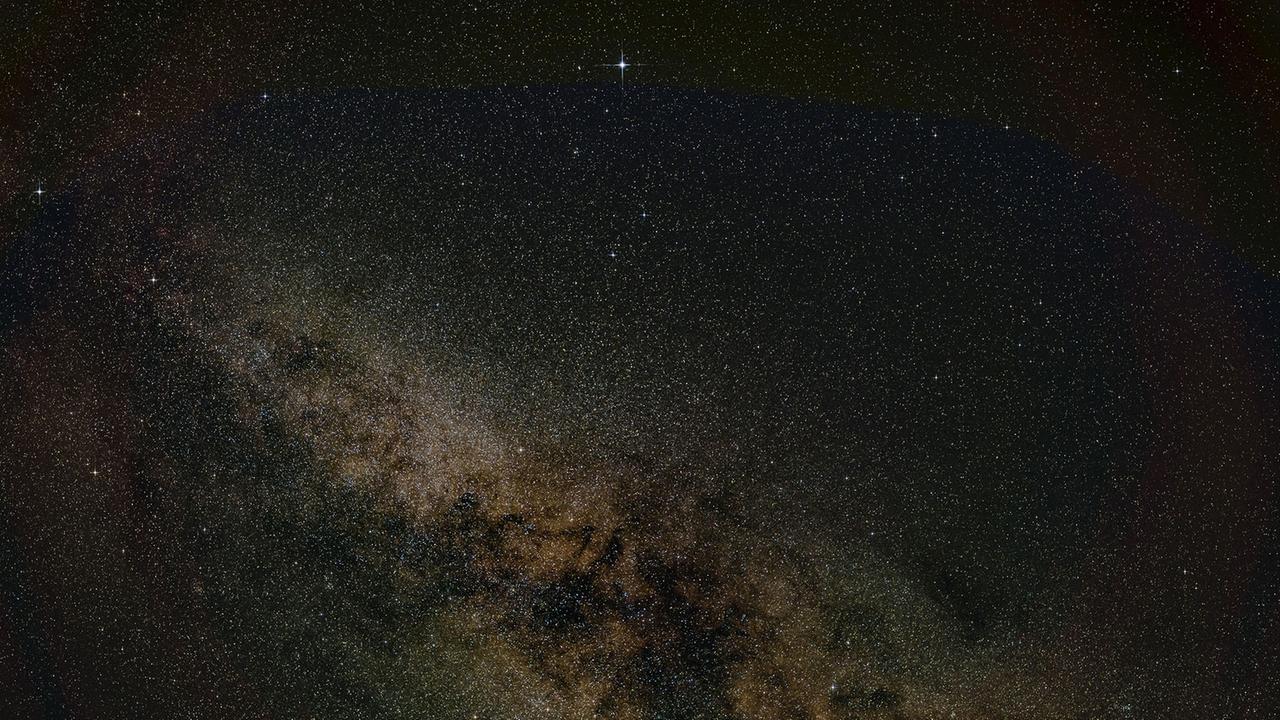
Vega, the second brightest star in the Northern Hemisphere's night sky, is currently prominent during the summer months. This star possesses peculiar attributes and is notably destined to eventually replace Polaris as the North Star. The article highlights Vega's unique features and its future significance in celestial navigation. Its position and brightness make it a notable object for astronomical observation. The eventual shift in the North Star is a consequence of the Earth's axial precession. Vega's prominence is expected to grow as this celestial shift occurs over millennia. This astronomical phenomenon offers a long-term perspective on the changing face of our night sky.
Vega's current prominence and its future role as the North Star illustrate the dynamic nature of celestial mechanics driven by Earth's axial precession. This slow, predictable wobble means that the pole star changes over vast timescales, a phenomenon that has historically influenced navigation and astronomical understanding. The transition from Polaris to Vega highlights the importance of long-term astronomical observation and the need for updated celestial reference points. Understanding these cycles is crucial for fields ranging from astrodynamics to the historical study of navigation, demonstrating how even seemingly fixed points in the sky are subject to gradual, predictable change.
AI-generated to prompt reflection — not editorial opinion, not advice, not a statement of fact. How this works.