Vegetation Fires Erupt in Northwestern Rio de Janeiro Due to Dry Weather
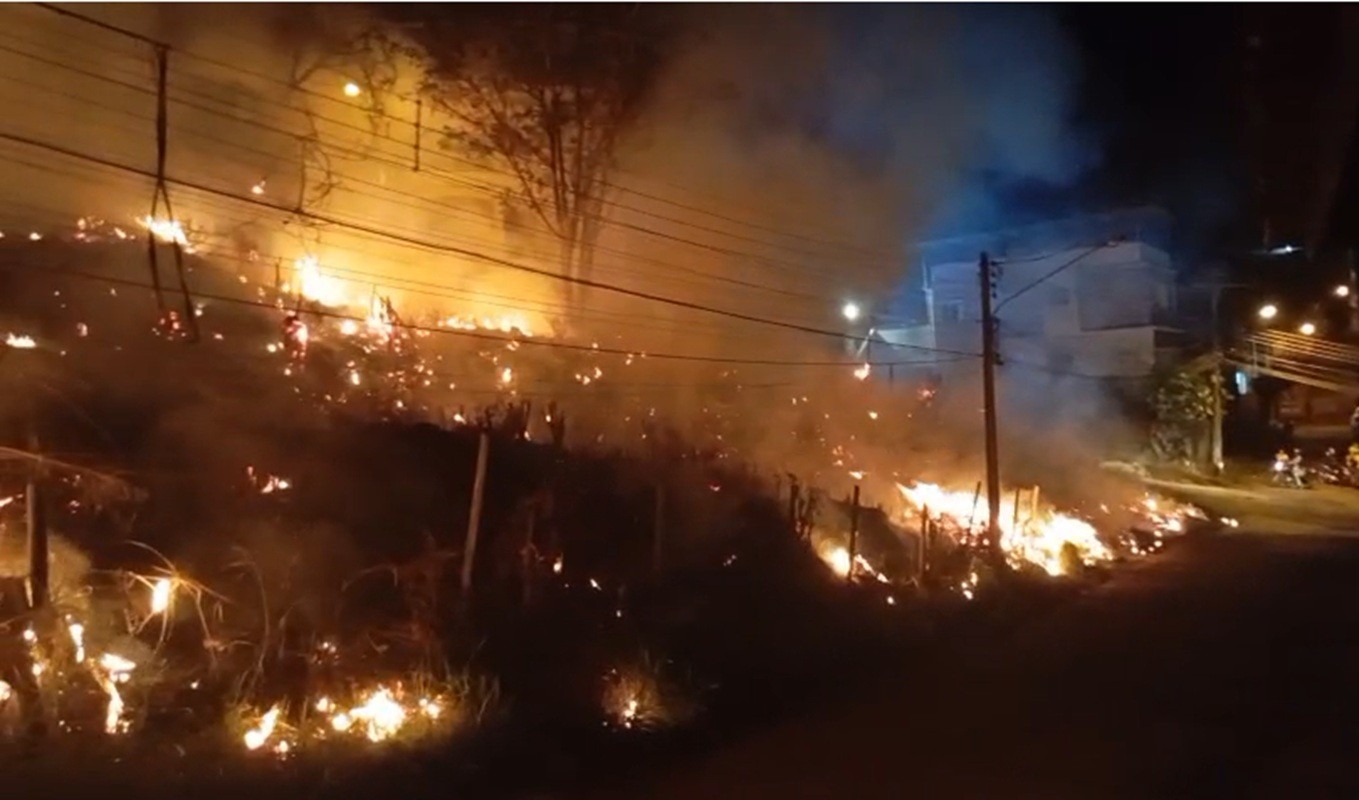
Two vegetation fires occurred in the Northwestern Fluminense region of Rio de Janeiro over the weekend of July 18-19, alarming residents and requiring the intervention of the Fire Department. The first incident took place in Natividade on Saturday afternoon, July 18th, affecting a vegetated area along the RJ-220 highway near the town's entrance. Dry vegetation fueled the rapid spread of flames, creating a dense smoke cloud visible across the city. Firefighters were dispatched to control the blaze and prevent it from spreading further, with local residents also assisting in the efforts until the situation was contained. The second fire occurred in Itaperuna on Sunday evening, July 19th, around 9 PM, in the Morro do Querosene area. This fire advanced through the vegetation, nearing an apartment building situated near Sebastião José Neves and Salustiano Ferreira Braga streets in the Vinhosa neighborhood, causing significant concern among inhabitants. The Fire Department has issued a warning to the public against burning trash, dry leaves, or yard waste, emphasizing that starting fires is an environmental crime with risks to people, property, and the ecosystem.
The recent vegetation fires in Northwestern Fluminense highlight the increased risk posed by dry weather conditions, a pattern likely to be exacerbated by climate change. While local authorities are responding to immediate threats, the recurring nature of such incidents suggests a need for more robust, long-term strategies. These could include enhanced public education campaigns on fire prevention, improved land management practices to reduce fuel load, and potentially stricter enforcement of environmental regulations against illegal burning. The fires also underscore the vulnerability of urban-adjacent natural areas and the importance of integrated urban planning that considers ecological resilience. Addressing these issues proactively will be crucial in mitigating future risks and protecting both communities and the environment in the face of evolving environmental challenges.
AI-generated to prompt reflection — not editorial opinion, not advice, not a statement of fact. How this works.