Vehicle Collisions With Utility Poles Left 26,000 Acre Residents Without Power in Early 2026
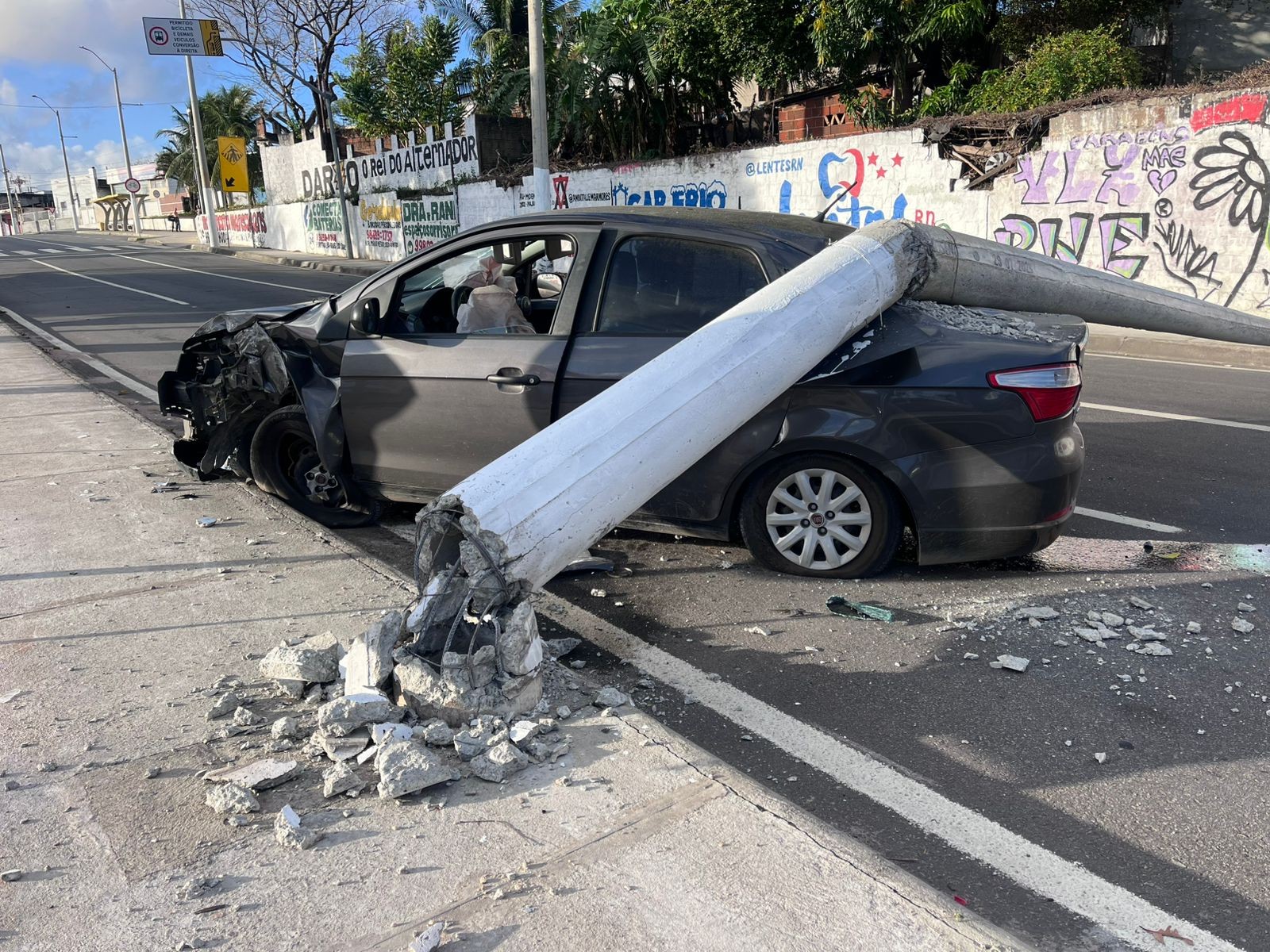
In the first half of 2026, at least 26,000 people in Acre, Brazil, experienced power outages due to vehicles colliding with electricity poles. Energisa Acre reported 65 such accidents between January and June, a figure more than 10% higher than the same period in 2025. These incidents not only disrupt electricity supply but also threaten the operation of essential public and private services, including schools, health centers, and businesses. They also pose a significant electrocution risk to vehicle occupants and bystanders. The number of affected consumers varies greatly, from a single household to thousands, depending on the extent of the damage to the electrical infrastructure. Energisa Acre's coordinator, Jhony Poças, stated that teams are immediately dispatched to restore power, often rerouting electricity through other circuits. However, properties near the damaged pole must remain without power for safety during repairs. Severe damage requiring pole replacement can lead to outages lasting four to eight hours, influenced by the accident's location, accessibility, and the number of damaged components. In the event of such a collision, Energisa advises occupants to stay inside their vehicle and contact emergency services, emphasizing the danger of approaching damaged poles due to potentially live wires. Bystanders are also urged to maintain a safe distance until Energisa personnel arrive to prevent electrocution.
This data highlights a concerning trend of infrastructure damage and service disruption in Acre, directly linked to vehicle accidents. The increase in collisions suggests potential systemic issues, possibly related to road safety, driver behavior, or infrastructure vulnerability. The economic and social impact extends beyond mere power outages, affecting critical services and posing safety risks. From a future-oriented perspective, the reliance on manual repair crews for significant outages indicates a potential bottleneck in resilience. As autonomous systems and smart grids evolve, the integration of predictive maintenance and automated fault response could mitigate such widespread disruptions. Evaluating the root causes of these collisions, whether through improved road design, public awareness campaigns, or stricter enforcement, is crucial for enhancing community safety and economic stability in the long term.
AI-generated to prompt reflection — not editorial opinion, not advice, not a statement of fact. How this works.