Vehicle financing in São Paulo surges 10%, reaching highest volume since 2018
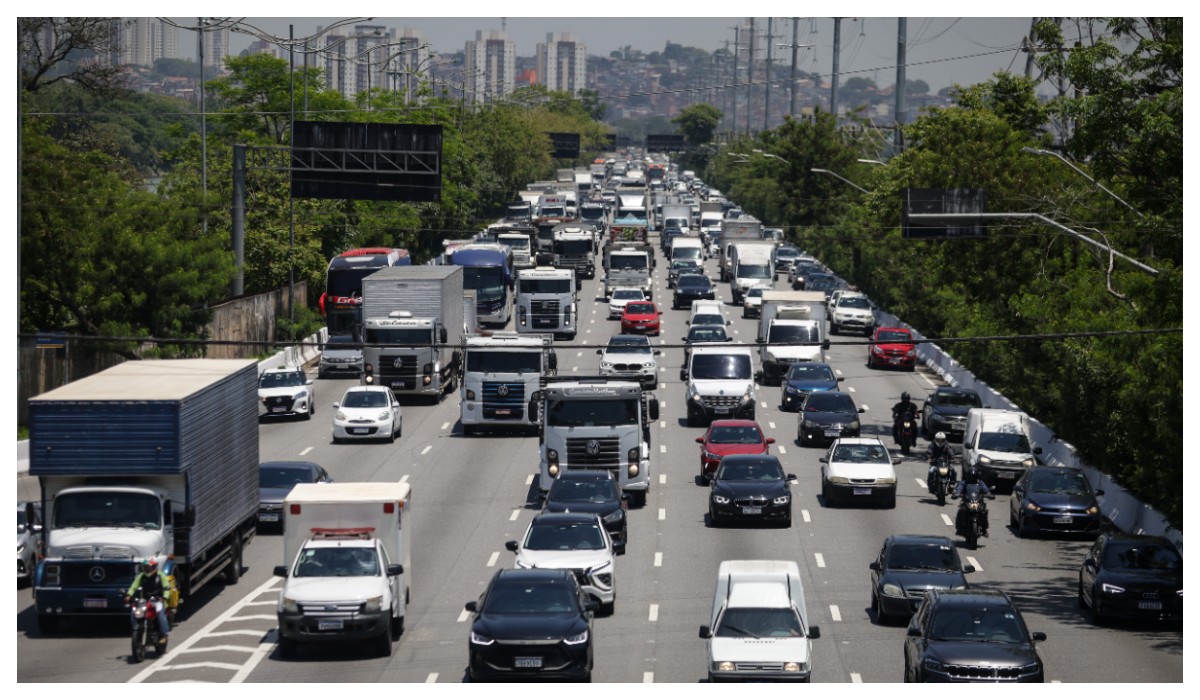
Vehicle purchases through financing in São Paulo state saw a 10% increase in the first six months of 2026 compared to the same period in 2025, reaching 973,800 financed sales. This marks the highest volume recorded since data collection began. Light vehicles dominated these transactions, accounting for nearly 77% of all financed vehicle operations, with 749,600 units financed, an 8.9% rise from 2025 and the highest level since 2018. Motorcycle financing experienced a significant surge of 18.3%, with 188,800 units, setting a new historical record. Heavy vehicle financing, while showing a slight decrease from 2025, remained above levels seen between 2018 and 2022, with 33,200 units financed. Approximately 70% of all financed vehicles were used, with new motorcycles being an exception, showing more new than used unit financing. Nationally, vehicle financing also grew, totaling 3.78 million units in the first half of 2026, a 10.9% increase from the previous year and the highest first-half volume since 2008. Used vehicles constituted 2.38 million of these national financings, while new vehicles accounted for 1.39 million. The average loan term for light and commercial vehicles extended to 47.2 months, up from 46.3 months a year prior, with longer terms observed across all age categories of vehicles.
The reported surge in vehicle financing, particularly in São Paulo and nationally, reflects a dynamic interplay of improved risk assessment by financial institutions and potentially increased consumer demand. Enhanced data analytics and granular customer profiling, as noted by Trillia's superintendent, likely enable lenders to offer more accessible credit, thereby stimulating sales. This trend, coupled with an elongation of average loan terms, suggests a market environment where credit availability is a key driver of transaction volume. Future analysis should consider the sustainability of this growth, the potential impact of rising interest rates on affordability, and the long-term implications of extended financing periods on vehicle depreciation and consumer debt burdens within the evolving economic landscape.
AI-generated to prompt reflection — not editorial opinion, not advice, not a statement of fact. How this works.