Vehicle ownership transfer fines top São Paulo's 2026 infraction list
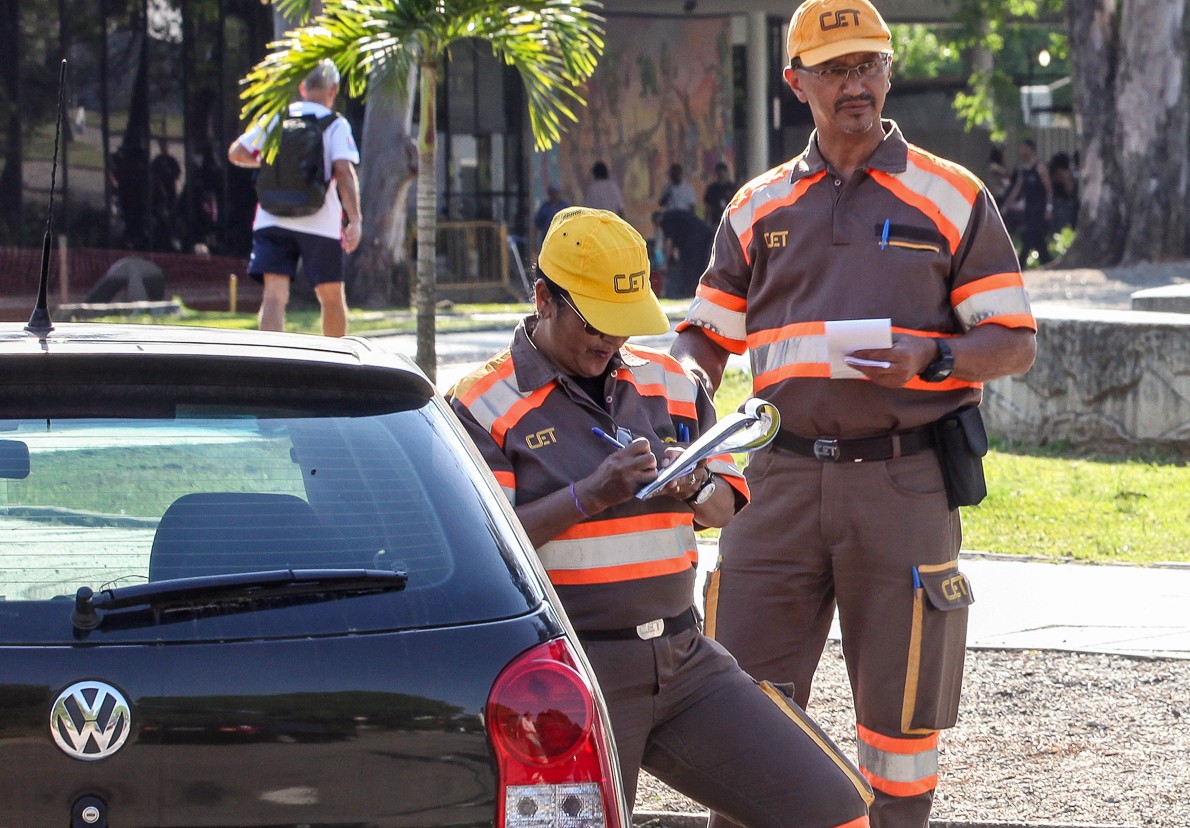
Fines for failing to transfer vehicle ownership have become the leading infraction in São Paulo during the first half of 2026, according to the State Department of Traffic (Detran-SP). From January to June, 478,835 such fines were issued across the state. This violation is classified as serious, costing drivers R$195 and adding five points to their licenses. In 2025, Detran-SP already issued over 1.18 million similar fines. The second most common infraction was driving a vehicle without updated annual licensing, with 184,407 citations. Other frequent violations included not using seatbelts (85,153), using mobile phones while driving (81,106), and running red lights (43,872). Overall, Detran-SP issued more than 1.5 million fines between January and June 2026, representing 44% of the total fines issued in all of 2025 (3.4 million). According to traffic engineer Horácio Augusto Figueira, these administrative fines fuel the notion of a "fine industry," which he disputes. He argues that while drivers must maintain their documentation, the focus should shift from administrative penalties to safety, citing significant unrecorded infractions due to insufficient enforcement, particularly on weekends and at night. Figueira also noted that the number of red-light running citations is likely much lower than actual occurrences, highlighting issues like motorcycles on sidewalks and ignoring pedestrian crossings. Brazilian law mandates vehicle ownership transfer within 30 days of sale or donation, requiring specific documentation and fees. A recent bill approved by the Chamber of Deputies in early June 2025 aims to streamline this process by allowing mobile app transfers and removing the requirement for notarized signatures.
The data highlights a significant administrative burden on vehicle owners in São Paulo, with failure to transfer ownership leading to substantial fines. While the stated intent of these regulations is to maintain accurate vehicle registration and potentially deter illicit activities, the sheer volume of fines suggests a potential disconnect between regulatory compliance and practical driver behavior. The expert's commentary points to a broader systemic issue: a perceived "fine industry" versus the reality of under-enforced safety regulations. This raises questions about the efficiency and effectiveness of current enforcement strategies. A future-oriented perspective might consider how AI-driven traffic management systems and data analytics could optimize enforcement, not just for revenue generation, but for genuine traffic safety improvements, potentially reducing both administrative and dangerous infractions by focusing resources on high-risk areas and times.
AI-generated to prompt reflection — not editorial opinion, not advice, not a statement of fact. How this works.