Vehicle Registrations Continue to Rise Across Germany, Except in City-States
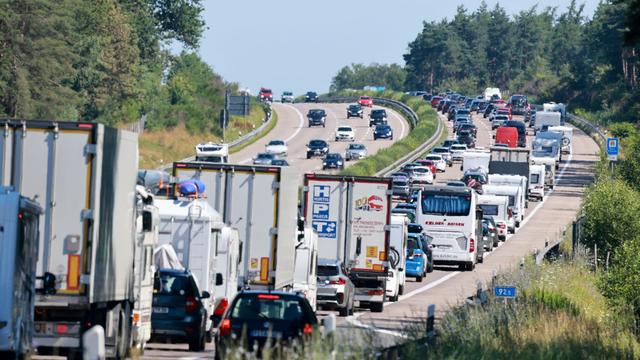
The total number of registered vehicles in Germany has continued to increase, reflecting a growing trend in car ownership nationwide. However, this growth pattern is not uniform across all regions. Notably, the city-states of Germany have experienced a decline in new vehicle registrations.
This divergence suggests varying factors influencing car purchasing decisions and usage patterns in different types of German regions. While the overall national trend points towards more cars on the road, urban centers with distinct transportation infrastructures and policies appear to be bucking this trend. Further analysis would be needed to determine the specific economic, social, or policy-related reasons behind this regional disparity in vehicle acquisition.
The ongoing increase in vehicle registrations nationwide, contrasted with a decrease in city-states, highlights a complex interplay of factors. This trend may reflect evolving mobility preferences, with residents in urban areas potentially opting for alternative transportation solutions due to congestion, parking challenges, or increased availability of public transit and ride-sharing services. Conversely, the national growth could be driven by factors such as increased disposable income, a preference for personal vehicles in suburban and rural areas, or specific government incentives. Examining the long-term implications for urban planning, environmental policy, and the automotive industry's strategic focus will be crucial in the coming decade as Germany navigates these diverging mobility landscapes.
AI-generated to prompt reflection — not editorial opinion, not advice, not a statement of fact. How this works.