Venezuela Assesses Infrastructure Damage as Rescue Hopes Fade
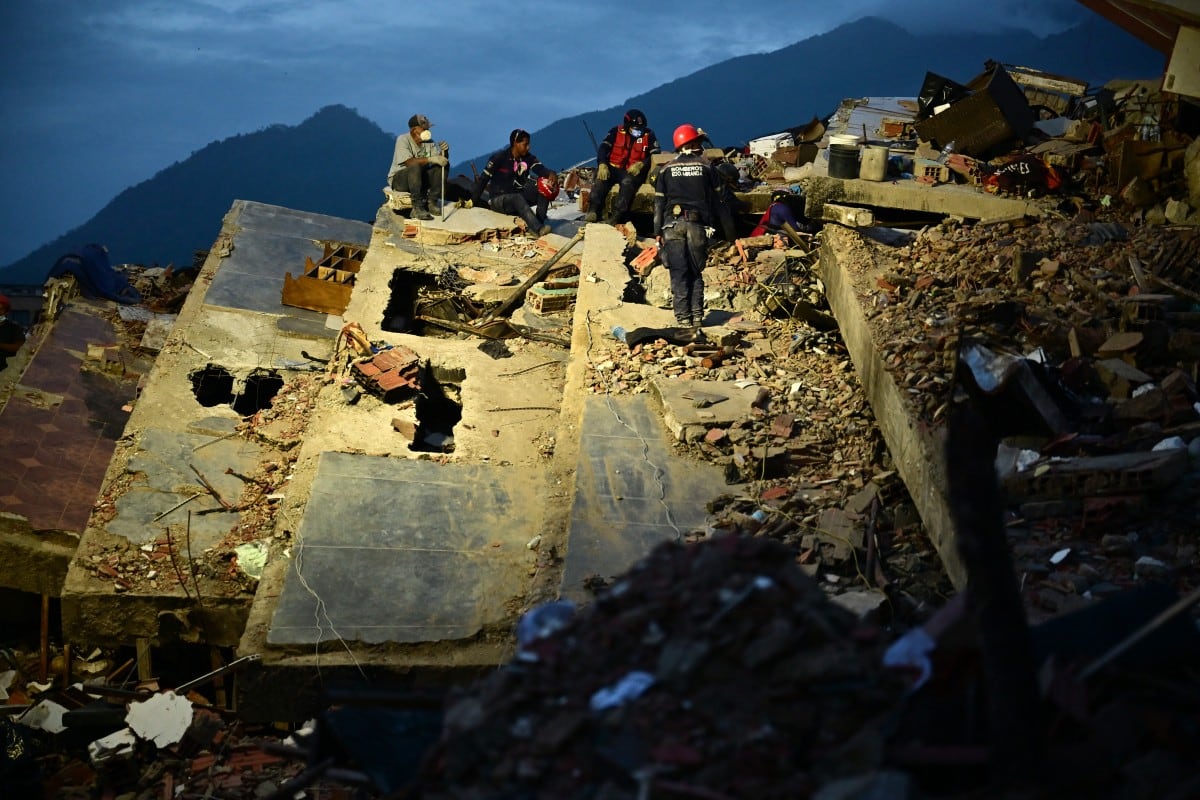
Ten days after devastating earthquakes struck Venezuela, the nation is now assessing the damage to its infrastructure. Efforts are underway to expedite the removal of debris as the chances of finding survivors diminish significantly. The earthquakes have resulted in a tragic death toll of at least 2,645 people. The focus has shifted from rescue operations to recovery and damage assessment, highlighting the scale of the disaster. Authorities are working to clear affected areas and understand the full extent of the destruction. The reduction in rescue probabilities marks a somber milestone in the ongoing crisis. The government is evaluating the impact on essential services and buildings. This phase is critical for planning reconstruction and aid distribution. The nation faces a long road to recovery following these catastrophic events.
The shift in focus from rescue to debris removal and infrastructure assessment in Venezuela, following the earthquakes, reflects a standard progression in disaster response. As the window for survivor extraction closes, the practical challenges of managing the aftermath, including structural integrity and the provision of essential services, become paramount. This phase requires careful logistical planning and resource allocation to ensure safety and facilitate eventual reconstruction. Evaluating the long-term impact on infrastructure will be crucial for rebuilding resilient communities, considering potential future seismic activity and the evolving needs of the population in the coming decade.
AI-generated to prompt reflection — not editorial opinion, not advice, not a statement of fact. How this works.