Venezuela Earthquake Aftermath: Makeshift Morgue Overwhelmed with Bodies
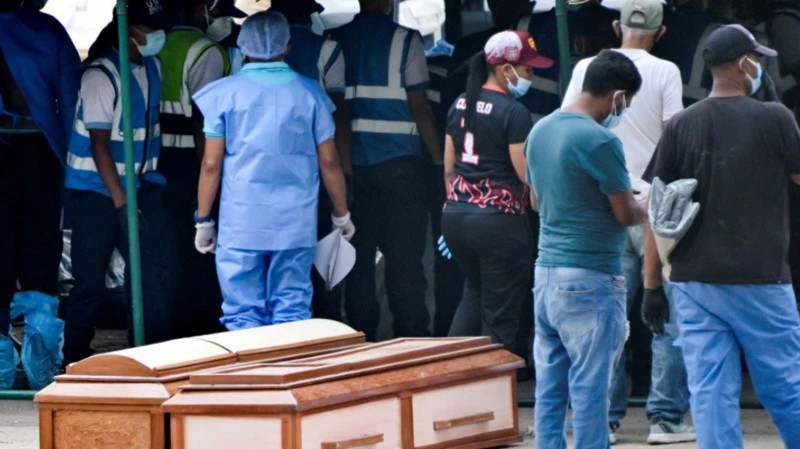
Following a significant double earthquake on June 24th in Venezuela, a port storage facility known as Los Silos in La Guaira has been repurposed into a makeshift morgue. The structure, once used for cargo, is now holding dozens of bodies exposed to the tropical sun, accelerating decomposition. Families are enduring agonizing waits outside the facility, seeking to identify deceased relatives amidst overwhelming grief and fear. Inside, the overwhelming stench of decomposition permeates the air. Hundreds of bodies, covered in plastic bags and organized by recovery date, are laid out. A free cremation tent operates at one end, while a forensic dentistry unit attempts to identify severely decomposed remains at the other. Identification often relies on reviewing over a thousand images of the deceased on screens, searching for distinguishing features like tattoos, jewelry, or clothing. Some bodies are too disfigured to be recognized, making the process deeply traumatic for grieving families. Many describe the scene as horrific, with one resident likening it to a 'terror movie.' The process of identification and subsequent release of bodies for burial is lengthy and complex, involving fingerprinting, coffin arrangements, and death certificate issuance. The official death toll is nearing 2,600 and is expected to rise, highlighting the scale of the tragedy and the immense strain on local resources and the emotional fortitude of survivors.
The repurposing of Los Silos into a makeshift morgue underscores the critical infrastructure challenges faced by Venezuela in the wake of the June 24th earthquake. The scene highlights a systemic breakdown in disaster response capacity, forcing the use of inadequate facilities that exacerbate the trauma for affected families. The reliance on visual identification from images, coupled with the physical deterioration of bodies due to heat and time, points to a need for enhanced forensic capabilities and dignified handling of human remains in future emergencies. This situation raises questions about preparedness, resource allocation, and the long-term psychological impact on a population grappling with such profound loss and the visible consequences of inadequate preparedness.
AI-generated to prompt reflection — not editorial opinion, not advice, not a statement of fact. How this works.