Venezuela Earthquake Death Toll Rises to 2,595
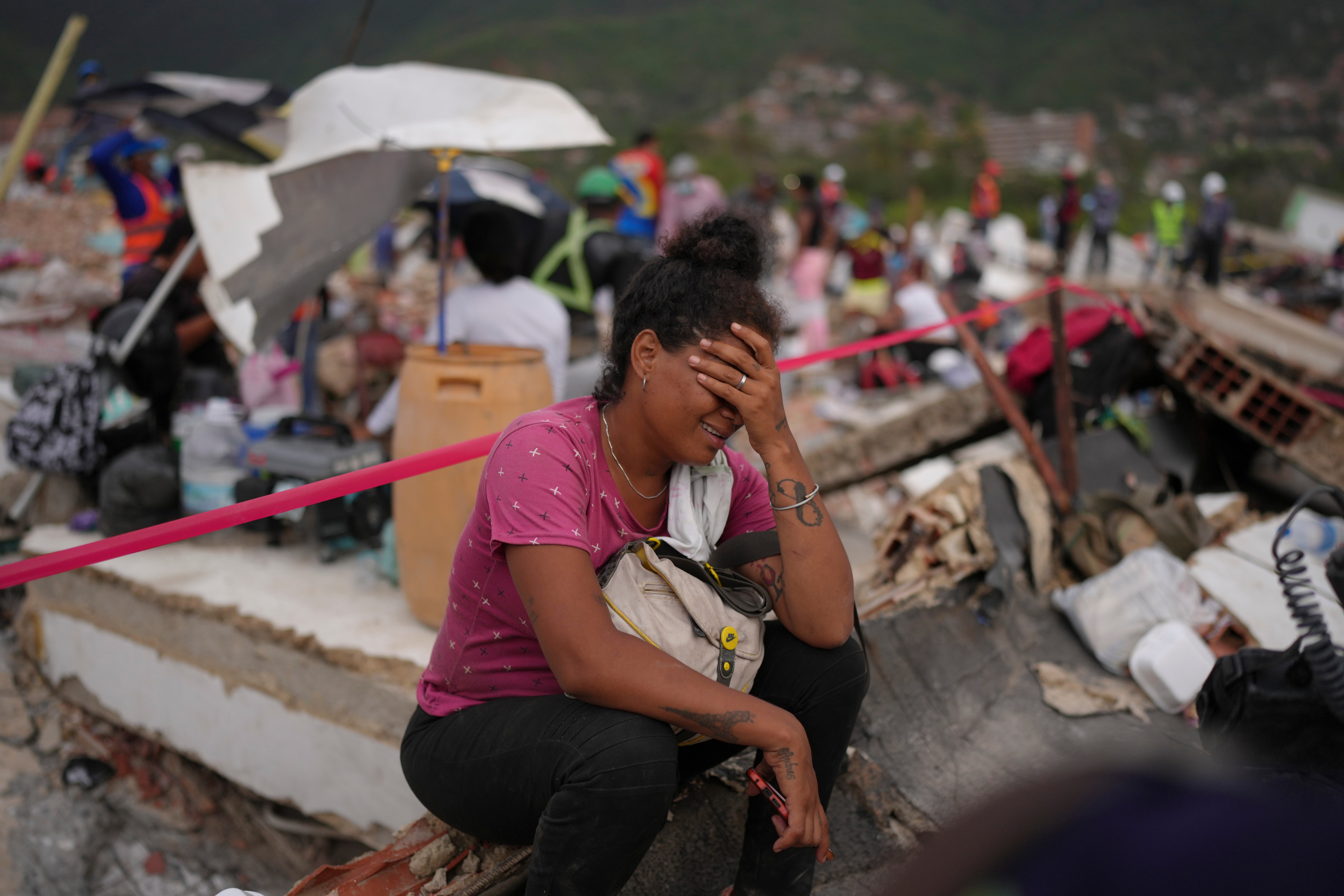
The death toll from a series of earthquakes that struck northern Venezuela, including the capital Caracas, has climbed to 2,595, according to an announcement by the Venezuelan government on Thursday, June 2nd. The tremors, which occurred on the night of June 24th, were the strongest recorded in the country in over a century, causing widespread destruction, including the collapse of buildings and homes. The United Nations estimates that over 26,000 people have been affected, with 12,841 displaced from their homes. Interim President Delcy Rodríguez reported that 189 buildings completely collapsed and that nearly all public servants in the heavily impacted state of La Guaira perished. In response to the disaster, international bodies like the International Monetary Fund (IMF) and the World Bank have offered financial aid and credit lines for reconstruction. The government, in partnership with the IMF, plans to establish a $200 million fund for rebuilding destroyed housing. Search and rescue operations are ongoing, supported by specialized teams from 31 countries, including Brazil. The humanitarian crisis is exacerbated by shortages of food and shelter, with basic services collapsed in La Guaira. A remarkable rescue saw a 43-year-old security guard pulled alive after eight days trapped under the rubble of a shopping mall in Catia La Mar. Medical authorities warn of a potential public health crisis due to untreated injuries, infectious diseases, and a healthcare system already strained by years of economic crisis and emigration, leaving thousands of displaced individuals in precarious conditions.
The Venezuelan government's reporting of the earthquake's impact highlights significant structural vulnerabilities, exacerbated by pre-existing economic challenges and a strained public health system. The reliance on international aid for reconstruction, including a $200 million fund with the IMF, indicates a critical need for external financial support in rebuilding infrastructure and housing. The extended survival of a victim after eight days underscores the critical importance of rapid, well-resourced search and rescue operations, while also pointing to the diminishing chances of survival for others as time progresses. The potential for a cascading public health crisis, driven by inadequate sanitation, lack of potable water, and a depleted healthcare workforce, poses a substantial long-term threat that requires immediate and sustained intervention beyond immediate rescue efforts. This event serves as a stark reminder of the interconnectedness of natural disaster resilience, economic stability, and public health infrastructure in the face of climate-related and geological risks.
AI-generated to prompt reflection — not editorial opinion, not advice, not a statement of fact. How this works.