Venezuela Earthquake Death Toll Rises to 3,342; Acting President Denies Social Unrest
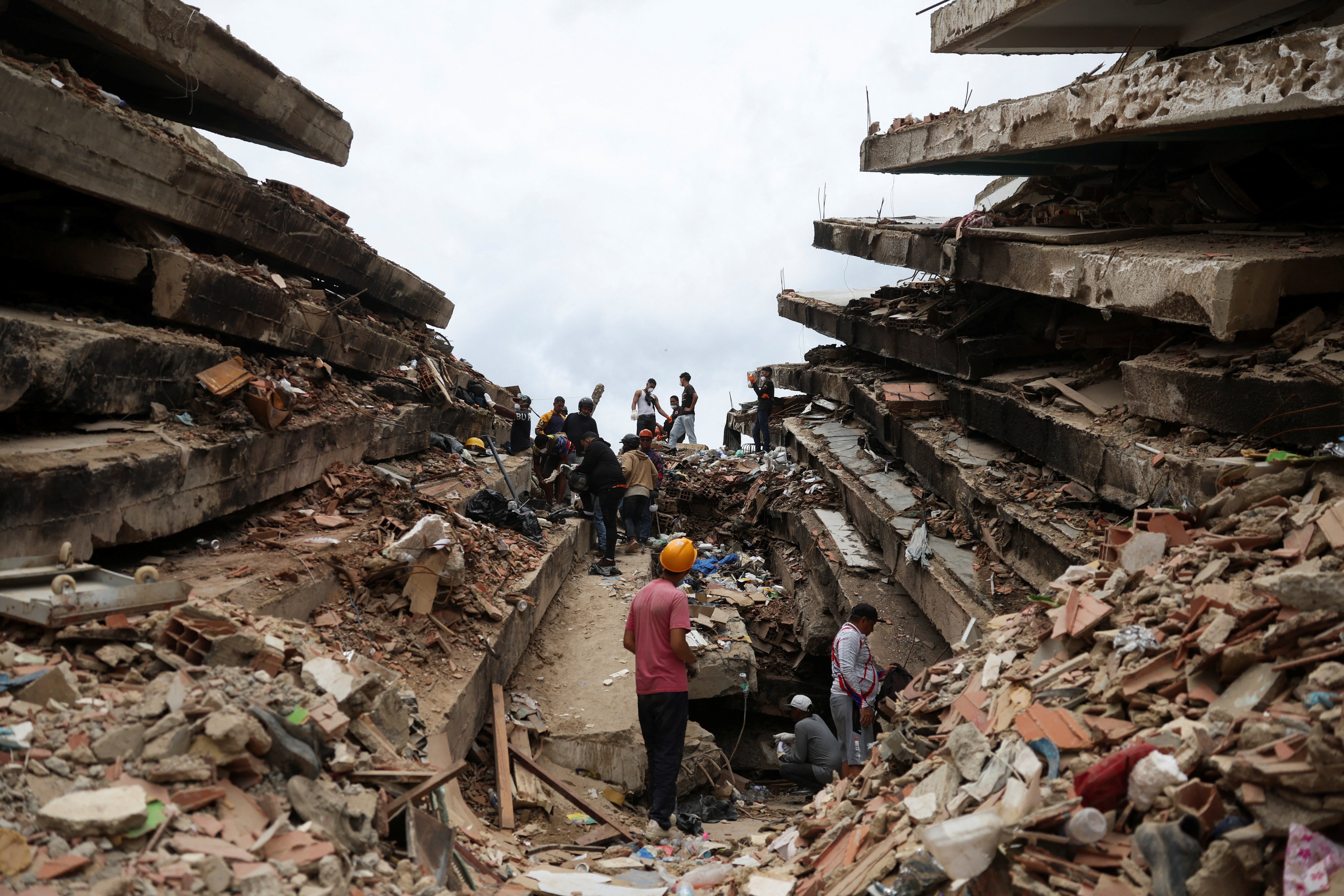
The death toll from earthquakes that struck Venezuela on June 24 has climbed to 3,342, with over 16,700 people injured, according to official figures released on Sunday, September 5, and reported by AFP. Rescue teams continue to work at the sites of collapsed buildings in La Guaira, Venezuela. Amidst the rising casualty count, Venezuela's acting president, Delcy Rodríguez, dismissed concerns of potential social unrest stemming from the disaster. She stated that instead of social upheaval, there is profound social solidarity among the Venezuelan people, during Independence Day celebrations at the Tiuna Fort in Caracas. Rodríguez assumed the interim presidency earlier this year following the apprehension of Nicolás Maduro in an operation led by the United States. Despite the government's official statements, residents in the most severely affected areas have expressed frustration with the authorities' response. Interviews with AFP revealed criticism from some citizens regarding the government's actions in devastated regions and demands for swifter aid for victims. Previously, on Saturday, September 4, Venezuela's Ministry of Communications reported 2,954 deaths and 16,592 injuries. The updated figures from Sunday confirm the grim toll and the significant number of those injured.
The Venezuelan government's official narrative emphasizes social solidarity in the face of a devastating earthquake, while downplaying the risk of social unrest. This framing aims to project stability and control, potentially to mitigate international scrutiny or internal dissent. However, reports of public dissatisfaction with the government's response suggest a disconnect between official pronouncements and the lived experiences of affected citizens. The government's capacity to manage the long-term recovery and reconstruction efforts, especially given potential resource constraints and existing geopolitical factors, will be critical. Future stability may depend on the effectiveness of aid distribution, transparent governance, and the government's ability to rebuild trust with its population, navigating the complex interplay of humanitarian needs and political messaging in the coming years.
AI-generated to prompt reflection — not editorial opinion, not advice, not a statement of fact. How this works.