Venezuela Earthquake Death Toll Rises to 3,811, Government Reports
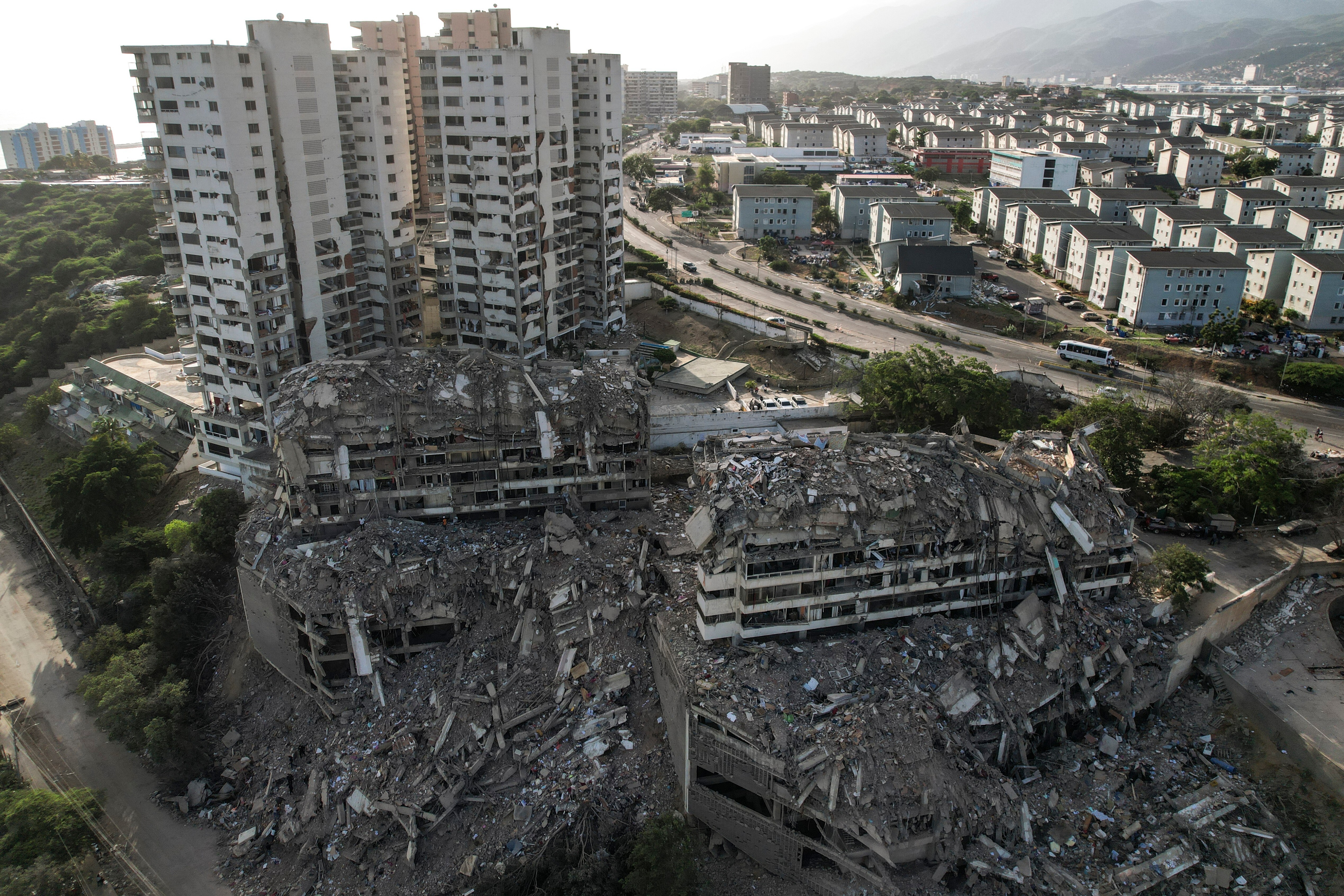
The death toll in Venezuela following a powerful earthquake has climbed to 3,811, according to government figures. The nation was struck by two major tremors, magnitudes 7.5 and 7.2, within a minute of each other on Wednesday, the 24th. Rescue teams are actively searching for victims trapped in collapsed buildings across the country. The initial impact resulted in 1,430 fatalities, 3,000 injuries, and left 3,100 people homeless, with the United Nations and the U.S. Geological Survey warning that these numbers could increase. Entire buildings and homes were reduced to rubble in Caracas and other Venezuelan cities. By Friday morning, the 26th, rescue operations were ongoing, with international teams beginning to arrive, including reinforcements from Brazil. By Saturday, the 27th, an additional 22 machines were deployed to aid search efforts. The Brazilian Ministry of Foreign Affairs confirmed on Thursday, the 25th, that two Brazilian citizens were among the deceased. The UN estimates that over 50,000 people are missing, and local residents are undertaking rescue efforts "with their own hands." This challenging situation highlights the precarious conditions stemming from a dysfunctional state, as noted by Sandra Cohen.
The Venezuelan earthquake highlights the critical interplay between natural disaster and existing societal infrastructure. The reported high casualty and missing person figures, coupled with the reliance on citizen-led rescue efforts and the acknowledgment of a "dysfunctional state," suggest that pre-existing vulnerabilities may have exacerbated the disaster's impact. International aid and specialized equipment are arriving, but the scale of the missing and the challenges faced by local responders underscore the need for robust, pre-established emergency response frameworks. Looking ahead, building resilient infrastructure and strengthening governance structures are paramount to mitigating the human cost of future seismic events in vulnerable regions.
AI-generated to prompt reflection — not editorial opinion, not advice, not a statement of fact. How this works.