Venezuela Earthquake Death Toll Surpasses 5,000
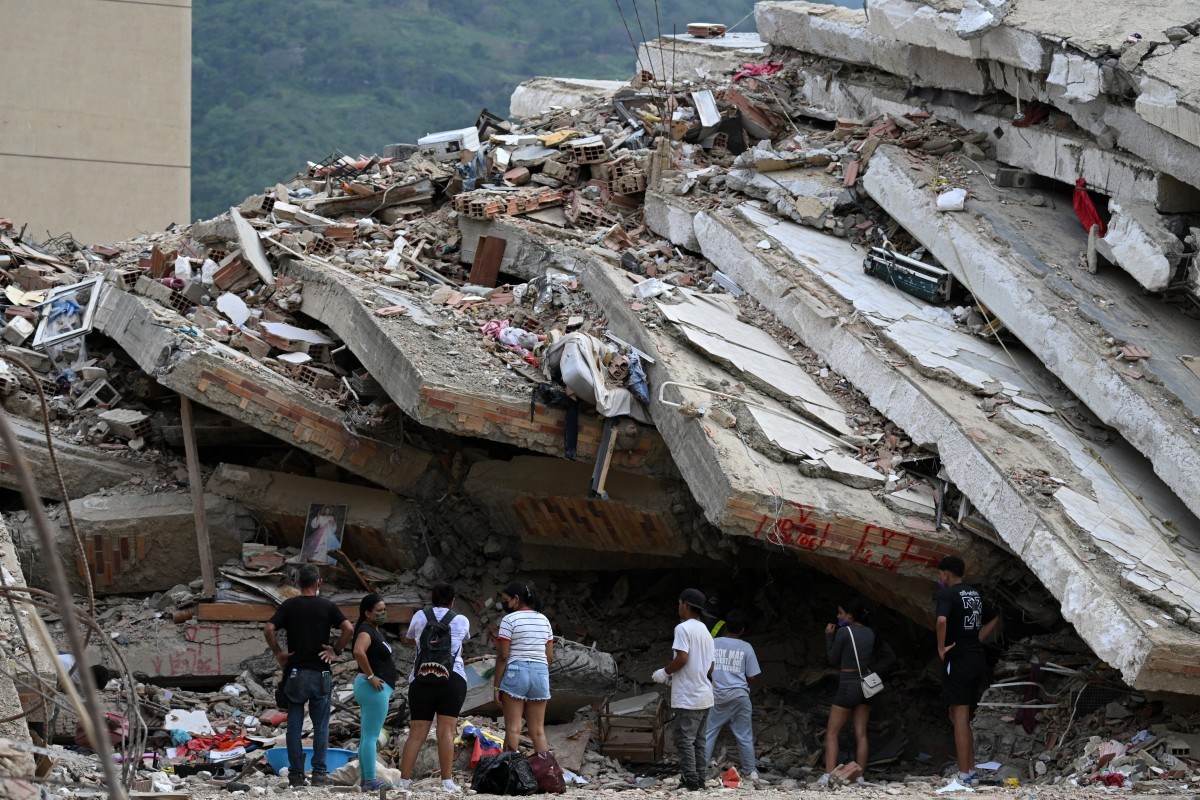
The death toll from the earthquake that struck Venezuela three weeks ago has now exceeded 5,000, according to official figures released on Friday, July 17, 2026. Jorge Rodríguez, president of the National Assembly, confirmed that 5,069 individuals have died as a result of the tremors that occurred on June 24. The number of injured remains at 16,740, with 17,907 people still displaced from their homes. The earthquakes, measuring 7.2 and 7.5 magnitude, struck approximately 200 kilometers from Caracas with less than a minute between them, followed by numerous aftershocks. The Venezuelan government reports that over 850 buildings sustained damage, and 190 have completely collapsed. Rescue teams, both domestic and international, are continuing efforts to recover bodies from the rubble. Venezuela is currently facing a humanitarian emergency due to the large number of displaced individuals and the widespread infrastructure collapse. Experts are concerned that the precarious living conditions of the homeless and the potential spread of diseases could exacerbate the crisis. Brazilian aid teams, who returned on July 10, assisted in rescuing 14 survivors. Approximately 2,400 international rescuers are still operating in Venezuela.
The Venezuelan government's confirmation of over 5,000 fatalities following the June 24 earthquakes highlights the severe impact of the disaster on the nation's infrastructure and population. The ongoing humanitarian emergency, characterized by widespread displacement and damaged buildings, presents significant challenges for recovery and public health. The presence of international rescue teams underscores the scale of the catastrophe and the need for sustained global support. Looking ahead, Venezuela's long-term resilience will depend on its capacity to rebuild critical infrastructure, address the immediate needs of its displaced citizens, and implement robust disaster preparedness measures to mitigate the effects of future seismic events. The economic and social ramifications of this disaster will likely shape the country's development trajectory for years to come.
AI-generated to prompt reflection — not editorial opinion, not advice, not a statement of fact. How this works.