Venezuela Earthquake Exposes Dire Economic and Social Crisis
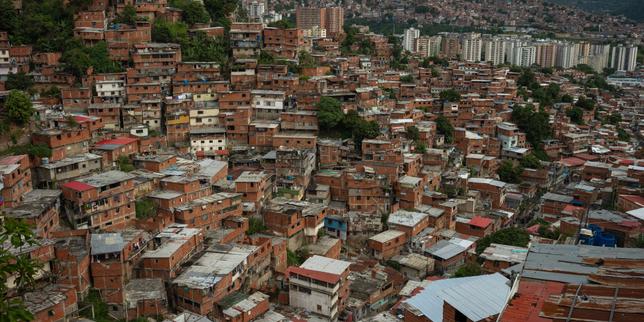
Following earthquakes on June 24th that threatened the collapse of Caracas's "barrios," the Venezuelan population is mobilizing to address the humanitarian emergency and rampant inflation. The tremors have starkly illuminated the country's catastrophic economic and social conditions. Residents express fears of renewed shortages, reminiscent of past crises. There is growing discontent directed towards the United States' opaque control over Venezuela and its oil resources. The situation highlights the vulnerability of informal settlements and the broader societal challenges exacerbated by economic instability and external influence.
The earthquake in Caracas has served as a stark physical manifestation of pre-existing systemic vulnerabilities within Venezuela's economy and social infrastructure. While the immediate humanitarian response is critical, the event also underscores the long-term challenges posed by hyperinflation and the impact of external economic policies. The population's organized efforts highlight resilience, but also the urgent need for transparent governance and diversified economic strategies to mitigate future shocks. Future policy considerations should focus on strengthening infrastructure, fostering economic stability independent of external controls, and ensuring equitable resource distribution to build long-term societal resilience.
AI-generated to prompt reflection — not editorial opinion, not advice, not a statement of fact. How this works.