Venezuela Earthquake: Interim Leader Denies Negligence Amidst Growing Criticism
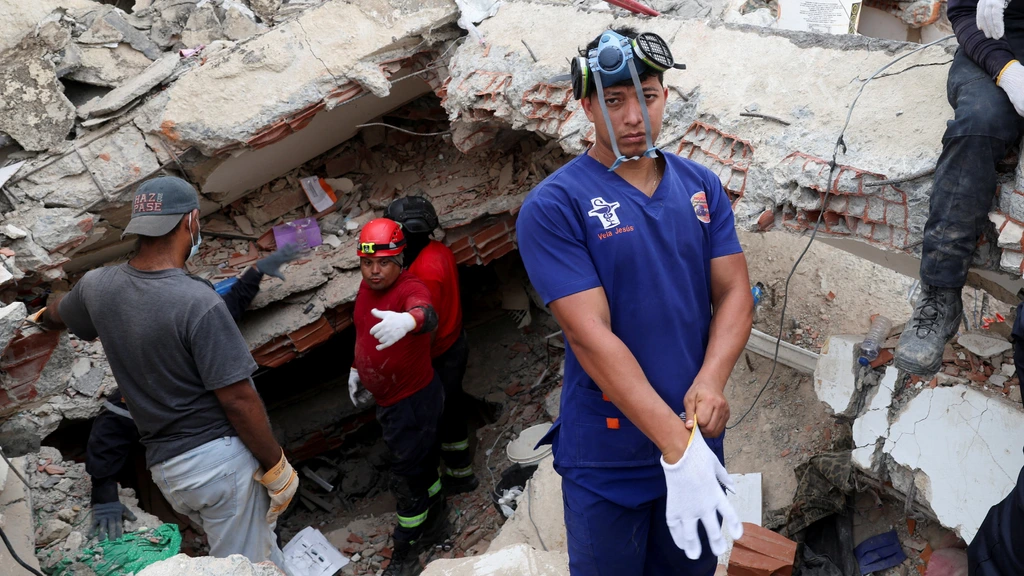
Venezuelan interim leader Delcy Rodriguez has dismissed criticism regarding the slow pace of aid following recent devastating earthquakes. At a press conference for foreign journalists, she also rejected accusations that poorly constructed social housing exacerbated the extensive damage. The earthquakes, which struck eight days prior, resulted in at least 2,595 fatalities and over 11,000 injuries. While the Venezuelan government does not maintain official missing persons figures, over 10,000 individuals have been reported missing on the 'Venezuela te busca' website, and the UN estimates 50,000 are still unaccounted for. NASA satellite imagery indicates that over 50,000 buildings were destroyed or damaged, with at least 38 hospitals sustaining damage. Residents in the hardest-hit La Guaira state, north of Caracas, have expressed anger over the government's lack of a substantial search and rescue operation, with some left to search for loved ones with their bare hands for up to 48 hours. Aid workers cite a shortage of specialized heavy equipment. Forensic investigator Joel Mirabal noted the immense scale of the collapse, predicting mass graves due to bodies buried under extensive rubble. Experts have long warned about the poor construction quality of social housing projects, a key policy of former president Hugo Chávez, which proved vulnerable to seismic activity. Rodriguez claims 80 percent of collapsed buildings in La Guaira were privately developed, but has provided no evidence. These seismic events compound Venezuela's ongoing economic crisis, marked by daily power and internet outages that hinder relief efforts and reconstruction. The country's healthcare system is also in disarray, with medical professionals fearing a prolonged care crisis due to inadequate disaster preparedness. Venezuela's foreign debt is now estimated by the Financial Times to exceed 220 billion euros, surpassing Greece's debt during the 2012 euro crisis. The U.S. recognizes Rodriguez as Venezuela's legitimate leader following the alleged abduction of President Maduro, though Rodriguez reportedly has limited popular support. Opposition leader María Corina Machado, highly popular, advocates for elections, stating little has changed under the current regime and accusing the government of obstructing her return to coordinate citizen efforts. The U.S. has provided over $300 million in aid and military support, and is making Venezuelan oil revenue available for relief efforts. Rodriguez has also sought access to IMF reserves. In the Netherlands, over 1.1 million euros have been raised for Venezuela, with the Red Cross warning of a potential second crisis due to a lack of clean water and sanitation, which could rapidly spread diseases in the heat. Field hospitals and first-aid posts have been established in La Guaira.
The Venezuelan government's response to the earthquake, particularly interim leader Delcy Rodriguez's dismissal of criticism regarding aid delivery and building integrity, highlights a persistent challenge in crisis management under economic duress. The government's narrative, which deflects blame for structural failures onto private developers and downplays the scale of the disaster's impact on infrastructure, contrasts sharply with survivor accounts and independent assessments. This situation raises questions about transparency and accountability in resource allocation, especially given Venezuela's significant foreign debt and reliance on international aid. The interplay between domestic political dynamics, exemplified by the contrasting public perceptions of Rodriguez and opposition figure María Corina Machado, and the government's ability to effectively manage national emergencies warrants close observation. Looking ahead, the long-term recovery will likely be constrained by the nation's economic fragility and the capacity of its institutions to rebuild trust and implement resilient infrastructure, potentially requiring sustained international cooperation and independent oversight.
AI-generated to prompt reflection — not editorial opinion, not advice, not a statement of fact. How this works.