Venezuela Earthquake Reconstruction: Billions Needed, Funding Uncertain
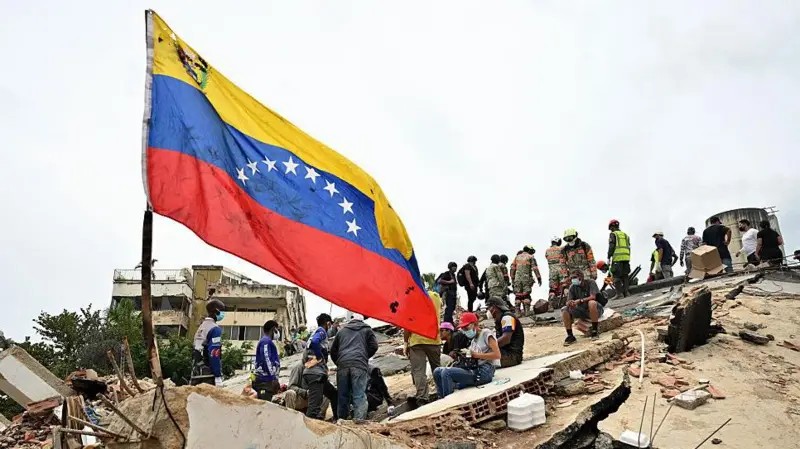
Following devastating earthquakes on June 24th that caused thousands of deaths and injuries in northern Venezuela, the nation faces the immense challenge of reconstruction. The disaster has left thousands homeless and damaged critical infrastructure, including buildings, roads, and utilities, in affected areas like Caracas and the states of La Guaira, Carabobo, Miranda, Yaracuy, and Aragua. While the immediate emergency response focused on rescue and aid, the long-term rebuilding effort will require substantial financial resources, estimated to be in the tens of billions of dollars.
Initial estimates from organizations like the UN Development Programme (UNDP) place direct physical damages between $4.7 billion and $8.7 billion, with a central estimate of $6.7 billion, representing about 6% of Venezuela's GDP. However, economists offer higher projections, with some estimating reconstruction costs between $12 billion and $15 billion, and others as high as $20 billion. These figures do not fully encompass all infrastructure damage or long-term recovery needs. The Venezuelan government has pledged $200 million from IMF funds, China has offered $17 million, and the U.S. has promised over $300 million in humanitarian aid, with the UN's emergency fund releasing $15 million. These amounts fall significantly short of the projected needs.
Compounding the reconstruction challenge are Venezuela's pre-existing economic woes, including a severe contraction of its GDP by over 70% between 2014 and 2021, high levels of food insecurity, and a public debt technically in default since 2017, estimated at $170 billion. The government's limited capacity to finance reconstruction alone, coupled with international skepticism regarding transparency and governance due to corruption concerns and U.S. sanctions, poses significant obstacles to securing the necessary international financing and investment for the rebuilding effort.
The Venezuelan earthquake disaster highlights the critical intersection of natural catastrophe and pre-existing systemic economic fragility. While international aid is crucial for immediate relief and eventual reconstruction, the scale of the required funding, estimated in the tens of billions, dwarfs current pledges. Venezuela's sovereign debt default and U.S. sanctions severely constrain its ability to access international credit markets, creating a significant funding gap. Furthermore, concerns about governance and transparency, amplified by the country's economic challenges, may deter private investment and complicate the efficient allocation of any aid received. The long-term recovery will likely depend on innovative financing mechanisms and a sustained commitment to rebuilding institutional trust to unlock both public and private capital, navigating a complex geopolitical landscape.
AI-generated to prompt reflection — not editorial opinion, not advice, not a statement of fact. How this works.