Venezuela Earthquake Survivors Face Health Crises Amidst Shelter Crowding
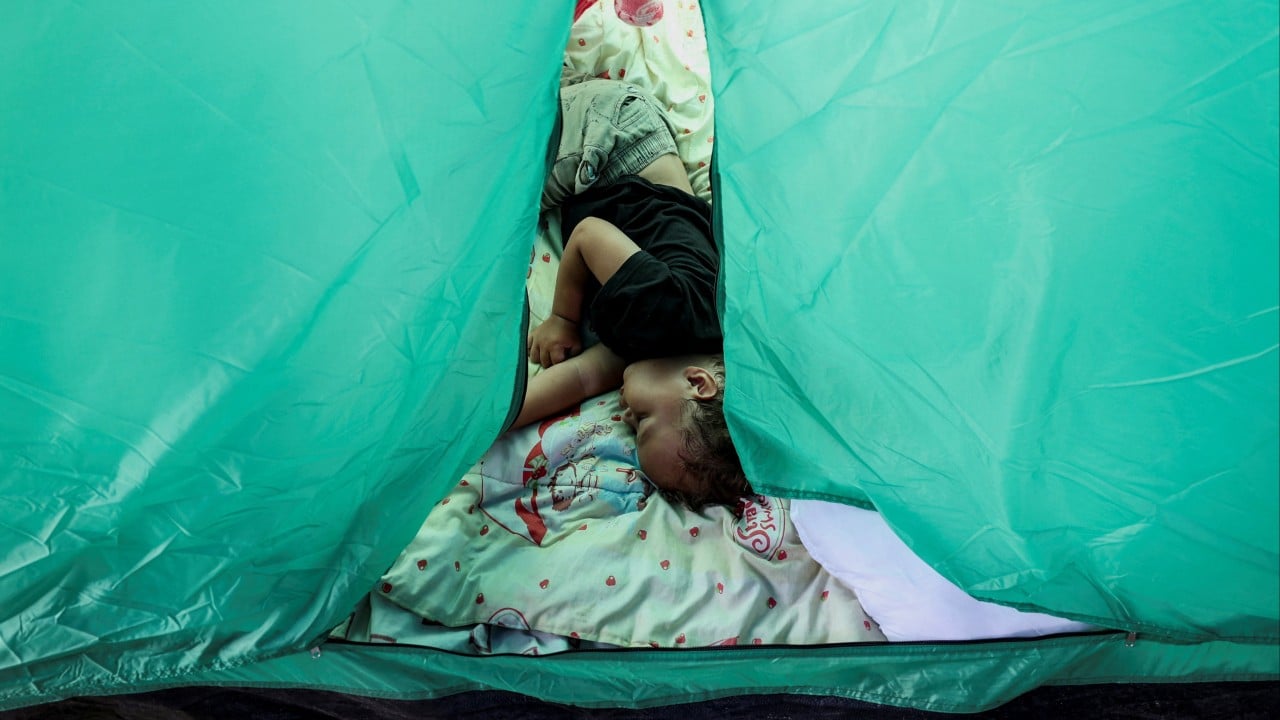
The World Health Organization's Americas branch warned on Thursday about significant health threats facing survivors of Venezuela's recent earthquakes. Tens of thousands of people displaced by the twin quakes on June 24 are now housed in over 80 shelters across the country. These conditions, characterized by poor sanitation, a lack of clean water, and disruptions to essential medical services, create a fertile ground for disease outbreaks. As of Thursday, the number of individuals displaced by the disaster had reached 17,907. The WHO emphasized that the crowded nature of these shelters exacerbates the risk of widespread illness among the vulnerable population. Urgent measures are needed to address these public health challenges and prevent a secondary crisis following the natural disaster.
The aftermath of the Venezuelan earthquakes highlights the critical intersection of natural disasters and public health infrastructure. The WHO's warning underscores the systemic vulnerabilities exposed by the event, where pre-existing challenges in sanitation and healthcare access are amplified by displacement and shelter crowding. This situation presents a complex governance challenge, requiring coordinated efforts between national authorities and international health organizations to mitigate immediate health risks and build more resilient public health systems for the future. The focus on disease prevention and access to clean water in emergency shelters is paramount, reflecting a broader need for robust disaster preparedness strategies that prioritize the well-being of affected populations in the long term, especially in the context of evolving climate and seismic risks.
AI-generated to prompt reflection — not editorial opinion, not advice, not a statement of fact. How this works.