Venezuela Earthquake Toll Nears 3,000, with Widespread Devastation in La Guaira
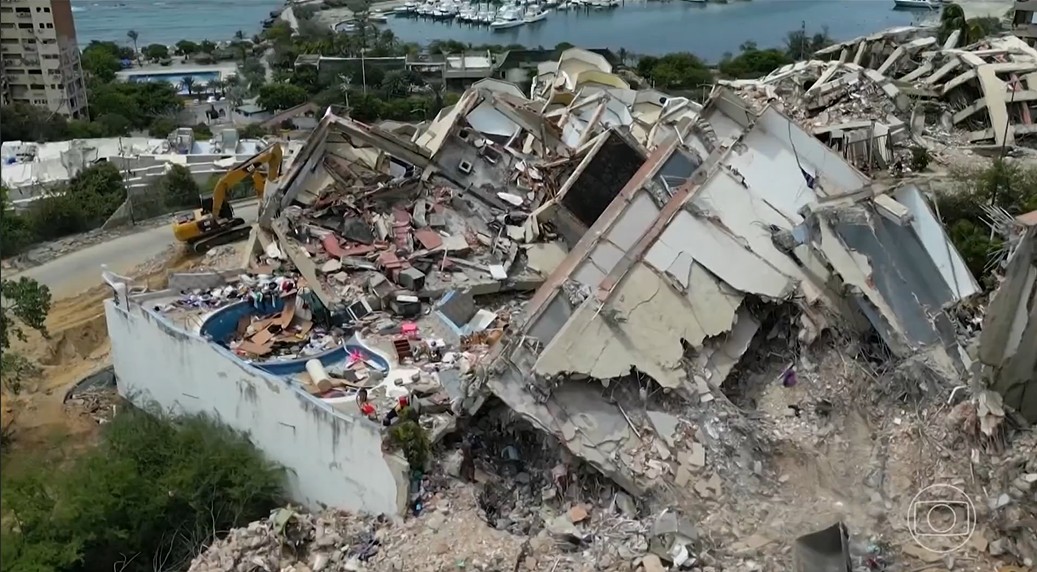
The official death toll from recent earthquakes in Venezuela has reached nearly 3,000, with 2,954 confirmed fatalities. A total of 190 buildings have collapsed across the country. The Venezuelan government has not released figures for the number of missing persons. In the capital, Caracas, devastation is concentrated in specific areas, such as the San Bernadino neighborhood where a six-story building collapsed, resulting in 19 deaths. However, other parts of Caracas show signs of normalcy. The city of La Guaira, particularly the Praia Grande neighborhood, has experienced unparalleled destruction, with entire blocks leveled or rendered uninhabitable. Rescue teams are primarily focused on recovering bodies rather than searching for survivors. In an unusual move, President Delcy Rodríguez invited dozens of international rescuers from countries including Argentina, Barbados, the United Kingdom, France, India, and Brazil to Caracas for a ceremony honoring their efforts. The commander of the naval hospital and the head of the Brazilian mission were among those decorated. While many nations are withdrawing their teams, Brazil has committed to remaining and increasing its aid, sending 50,000 doses of canine rabies vaccine and 100,000 doses of yellow fever vaccine to combat infectious diseases in the post-trauma emergency phase.
The Venezuelan government's management of the earthquake crisis, particularly its approach to casualty figures and the public relations surrounding international aid, warrants careful examination. The discrepancy between localized devastation and apparent normalcy in Caracas highlights potential challenges in assessing the full impact and coordinating relief effectively. The decision to relocate rescuers for a ceremony, while ostensibly honoring their work, could be interpreted as a strategic move to control the narrative and project an image of governmental competence amidst a significant disaster. Brazil's continued and expanded support, especially in public health measures, underscores the critical need for robust, needs-based international cooperation that transcends political optics. Future disaster response frameworks should prioritize transparent data dissemination and efficient resource allocation, ensuring that humanitarian efforts are driven by objective needs rather than symbolic gestures, particularly in the context of evolving global health challenges and geopolitical sensitivities.
AI-generated to prompt reflection — not editorial opinion, not advice, not a statement of fact. How this works.