Venezuela Earthquake Toll Rises to Nearly 2300, Over 11,000 Injured
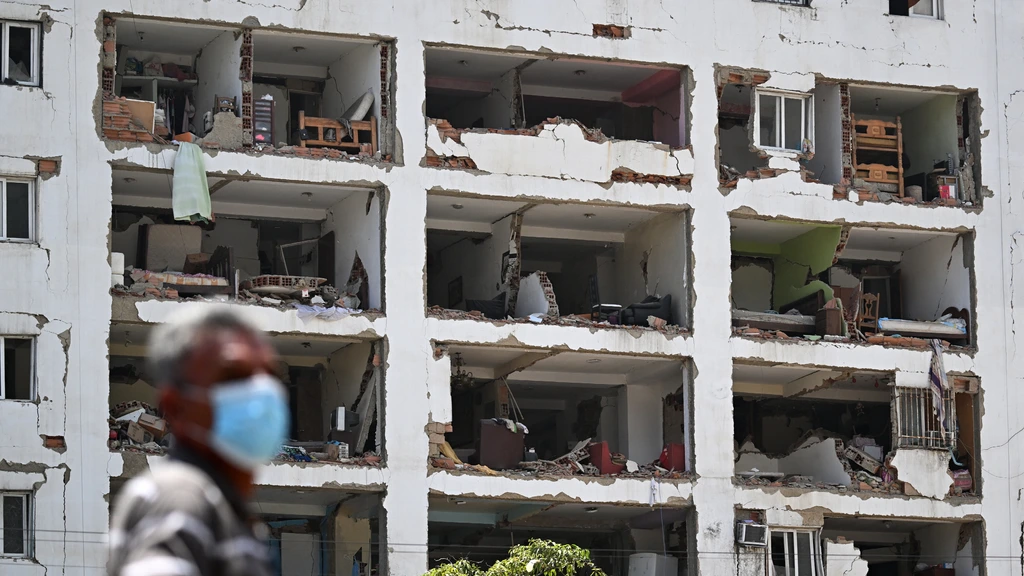
The death toll from recent earthquakes in Venezuela has climbed to at least 2,295, according to Parliament Speaker Jorge Rodríguez. He stated during a press conference that the number of fatalities is expected to rise significantly. The earthquakes, which struck last week, also resulted in 11,267 injuries, with tens of thousands still missing. Currently, 12,841 individuals are housed in emergency shelters across 25 temporary camps established in Venezuela. These camps, primarily located in the heavily impacted coastal city of La Guaira and the capital, Caracas, are providing essential supplies such as beds, mattresses, food, and medical aid to those displaced from their homes. The Venezuelan government has launched a large-scale rescue operation involving over 26,000 members from the military, police, fire departments, and rescue services, supplemented by approximately 17,000 volunteers assisting with logistical tasks. Despite these efforts, some Venezuelans have expressed dissatisfaction with the level of local aid available for victim recovery. The quakes affected northern Venezuela, and authorities have recorded hundreds of aftershocks since the initial tremors, with experts predicting they could persist for months. Meanwhile, the Dutch USAR (Urban Search And Rescue) team, which had been searching for survivors, has returned to the Netherlands after its deployment, as the team's operational period is typically limited to one week in disaster zones to maximize the chances of finding survivors.
The Venezuelan government's response to the devastating earthquakes highlights the complex interplay between national disaster management and international assistance. While the scale of the national rescue operation, involving tens of thousands of personnel and volunteers, is substantial, reports of local dissatisfaction suggest potential challenges in coordination and resource distribution. The reliance on international teams like the Dutch USAR, despite their limited deployment duration, underscores the need for robust, sustainable local capacity building in disaster preparedness and response. The prolonged period of aftershocks indicates a significant ongoing risk, necessitating sustained support and infrastructure resilience planning for the affected regions over the coming months and years. The government's transparency in reporting figures, while crucial, should be viewed alongside the practical realities of aid delivery and recovery efforts on the ground.
AI-generated to prompt reflection — not editorial opinion, not advice, not a statement of fact. How this works.