Venezuela Earthquake Toll Surpasses 5,000, Thousands Still Missing
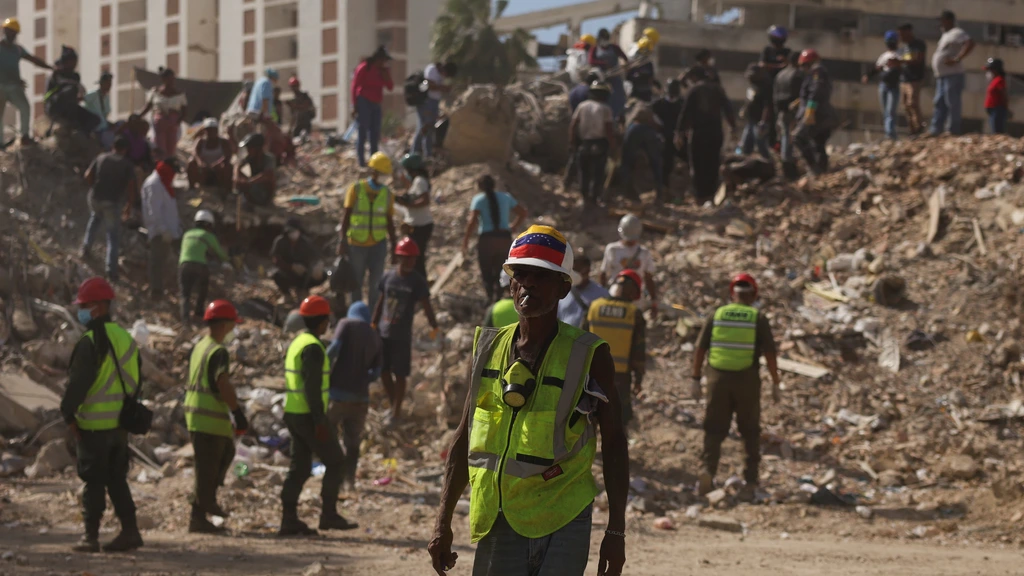
The death toll from two devastating earthquakes in Venezuela has risen to 5,069, announced Jorge Rodríguez, the country's parliamentary president. Of the confirmed fatalities, at least 300 remain unidentified. Approximately 50,000 people are still missing following the seismic events. Experts assess that the likelihood of finding survivors trapped under the rubble is now virtually zero. The earthquakes, which struck the coastal city of La Guaira and the capital, Caracas, on June 24th, caused over 700 buildings to partially or fully collapse. Thousands of residents have been displaced, while rescue teams managed to pull more than 6,400 individuals alive from the debris. In addition to the fatalities, over 16,000 people sustained injuries during the earthquakes. The country faces a looming threat of infectious disease outbreaks due to shortages of clean drinking water and adequate sanitation facilities. In La Guaira, displaced individuals are resorting to using the beach for washing and defecating, leading to water contamination. A doctor informed a children's rights organization that this practice is causing the water to become infected, resulting in skin diseases and eye irritations.
The Venezuelan earthquakes highlight critical infrastructure and public health vulnerabilities exacerbated by the disaster. The significant number of missing persons and the collapse of numerous buildings suggest potential issues with construction standards and preparedness. The ensuing public health crisis, driven by a lack of clean water and sanitation, underscores the fragility of essential services in the aftermath of such events. This situation demands a robust, long-term strategy for rebuilding not only structures but also resilient public health systems, considering the potential for widespread disease transmission. Future preparedness efforts should prioritize infrastructure resilience and immediate access to basic necessities to mitigate humanitarian crises following natural disasters.
AI-generated to prompt reflection — not editorial opinion, not advice, not a statement of fact. How this works.