Venezuela Earthquake Victims: A Race Against Time for Recovery and Farewell
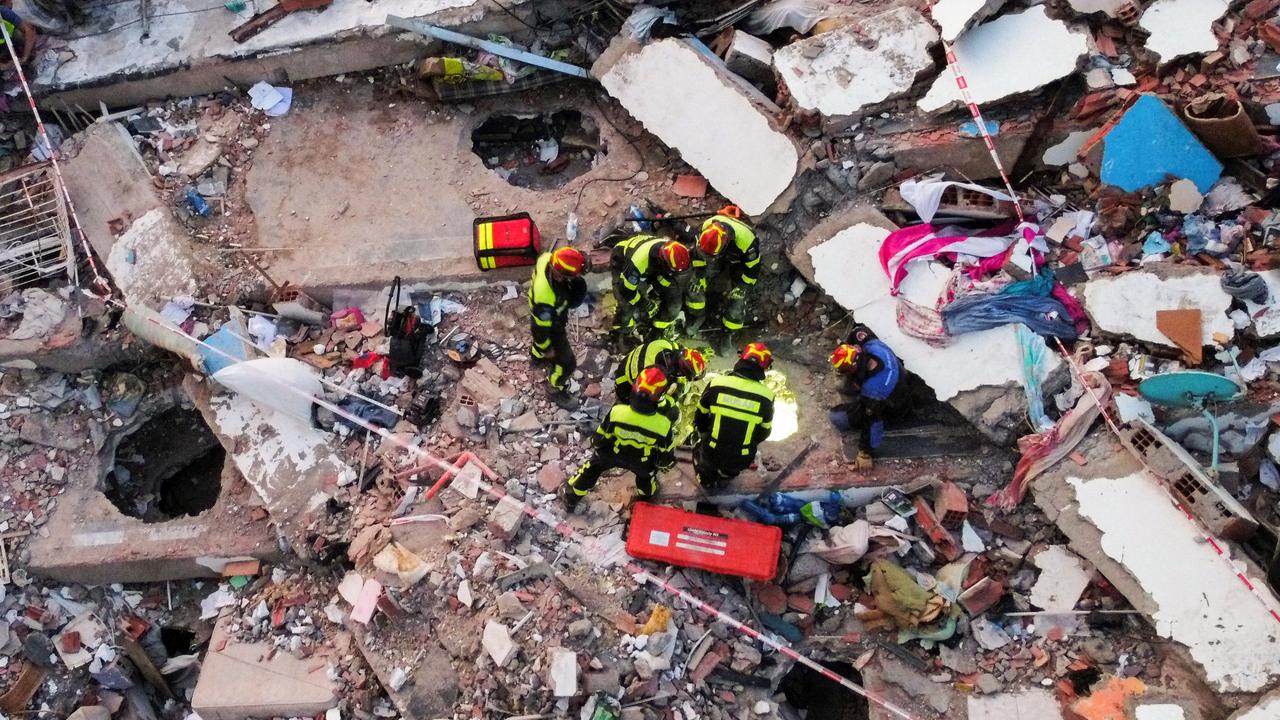
The devastating earthquakes in Venezuela have claimed over 2,000 lives, with tens of thousands still missing. The scale of the tragedy has created a profound challenge for both grieving families and rescue workers. They are caught between the urgent logistical demands of disaster response and the deep human need to provide a dignified farewell to the victims. This difficult situation highlights the immense pressure on those involved in the aftermath of the catastrophe. The search for survivors continues amidst the grim reality of the mounting death toll. The recovery efforts are complicated by the sheer number of missing persons, raising fears that the final count of fatalities will be significantly higher. Families are grappling with the uncertainty of their loved ones' fates, while also facing the emotional toll of the disaster. Aid organizations and local authorities are working tirelessly to manage the crisis, but the resources and time available are stretched thin. The need for a proper burial and mourning process is a critical aspect of healing, yet it is being severely tested by the overwhelming circumstances.
The Venezuelan earthquake disaster presents a critical juncture where immediate life-saving and recovery operations must be balanced with the profound human requirement for closure and remembrance. The logistical complexities of managing a large-scale disaster, particularly in resource-constrained environments, often strain the capacity for dignified rites. This situation underscores the importance of pre-established disaster preparedness plans that integrate not only search and rescue but also psychosocial support and culturally sensitive memorialization protocols. Looking ahead, nations must consider how to build resilience in their civil infrastructure and emergency response frameworks to better accommodate both the immediate crisis and the long-term emotional and spiritual needs of affected populations in the face of increasing global seismic and climate-related risks.
AI-generated to prompt reflection — not editorial opinion, not advice, not a statement of fact. How this works.