Venezuela Earthquakes Leave Over 2,200 Dead, Massive Infrastructure Damage
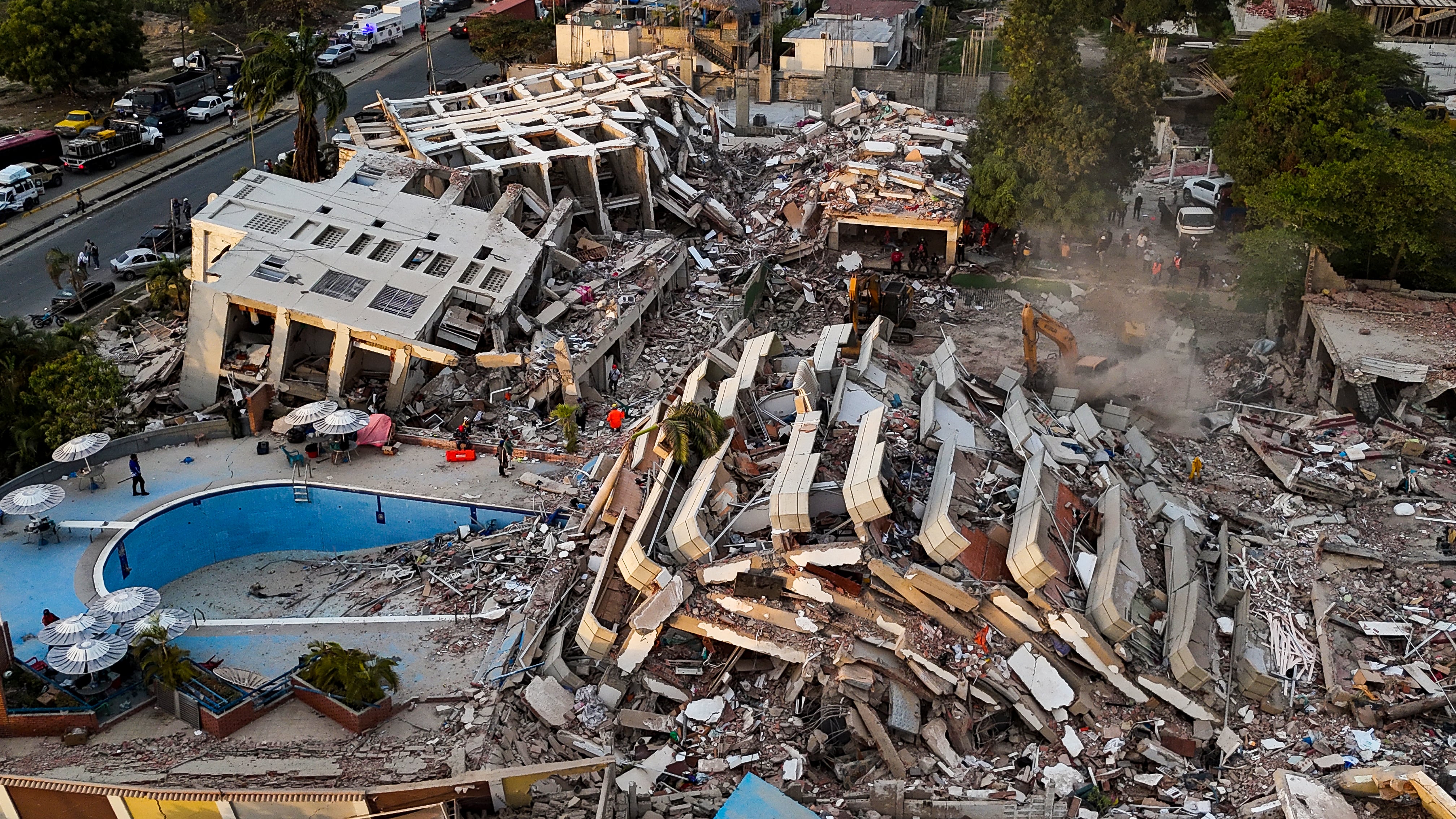
Two powerful earthquakes, measuring 7.2 and 7.5 magnitude, struck Venezuela on the 24th of last month, resulting in a death toll exceeding 2,200 and over 11,000 injured. Thousands are receiving medical attention, with preliminary UN estimates suggesting over 50,000 missing. Families are facing irregular charges for burials amidst overwhelmed public cemeteries, with hundreds of coffins stacked at La Guaira port. Fourteen emergency shelters are operational in the epicenter, with an additional 55 in Caracas housing nearly 16,000 displaced individuals. Many are using social media to search for lost family members and pets. Concerns are rising about sanitary conditions as the likelihood of finding survivors diminishes. The catastrophe affects over 7 million people, causing widespread disruption to basic services and communications, with 855 buildings impacted, 189 of which have completely collapsed. The nation's pre-existing fragility, marked by deteriorating emergency equipment and under-resourced hospitals, was starkly exposed. Citizen aid arrived before state assistance, navigating a chaotic environment where even ambulance services required payment. Preliminary satellite assessments by the UN Development Programme estimate economic losses at $6.7 billion, impacting homes, businesses, and infrastructure. The current government's nearly three-decade tenure has been characterized by institutional weakening and human rights concerns. With critical infrastructure paralyzed, international humanitarian aid has become essential, with 24 countries contributing resources. Thousands of rescuers, including specialized teams and search dogs, have arrived, alongside significant supplies from organizations like UNICEF. The government has declared La Guaira a disaster zone and militarized the area. Neighboring countries, such as Argentina, have dispatched aircraft with specialized teams and aid. The urgent need for international solidarity is matched by the future necessity of prevention plans, technical studies, and financial aid for reconstruction.
The devastating earthquakes in Venezuela have starkly illuminated the systemic vulnerabilities of a nation already operating under severe strain due to prolonged governance challenges. The event highlights the critical interdependency between robust public infrastructure, effective emergency response mechanisms, and a stable institutional framework. The observed reliance on international aid and citizen-led initiatives underscores the diminished capacity of state institutions to manage large-scale crises, a consequence potentially linked to resource allocation and governance priorities over decades. Looking ahead, the reconstruction phase will demand not only financial investment but also a fundamental re-evaluation of infrastructure resilience and disaster preparedness strategies. The long-term implications will hinge on whether this tragedy can catalyze reforms that strengthen public services and governance, thereby building a more resilient society capable of weathering future shocks, or if it will exacerbate existing fragilities.
AI-generated to prompt reflection — not editorial opinion, not advice, not a statement of fact. How this works.