Venezuela: Elections, Political Prisoners Uncertain Amid Post-Earthquake Struggles
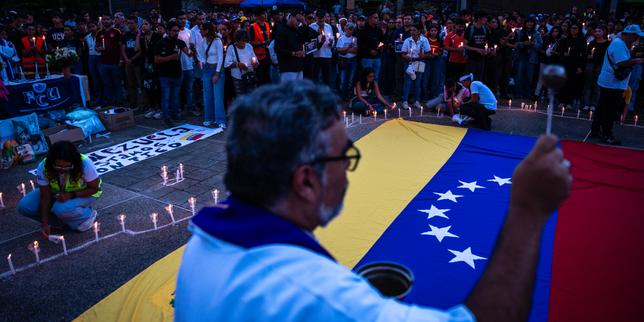
Six months after the alleged abduction of Nicolas Maduro by U.S. forces, neither Washington nor the current Venezuelan government has called for elections. The population, still reeling from the earthquake that struck on June 24, is finding it difficult to voice concerns regarding political prisoners and the promised return to democracy. The earthquake has exacerbated existing challenges, making it harder for citizens to focus on or exert pressure for political reforms. The lack of electoral processes and the unresolved situation of political prisoners remain significant points of contention and uncertainty within the country. The ongoing instability following the natural disaster further complicates the path towards democratic governance and the resolution of human rights issues.
The Venezuelan political landscape appears to be in a state of suspended animation, with the earthquake potentially serving as a further impediment to democratic processes and the resolution of humanitarian concerns like political imprisonment. The interplay between external geopolitical pressures, internal governance challenges, and the impact of natural disasters creates a complex environment. Future stability may depend on addressing the fundamental governance deficit and ensuring that citizen voices are not further marginalized by crises. The international community's role in facilitating dialogue and supporting democratic transitions, while respecting national sovereignty, will be a critical factor in the coming decade.
AI-generated to prompt reflection — not editorial opinion, not advice, not a statement of fact. How this works.