Venezuela Establishes Emergency Cemetery for Earthquake Victims
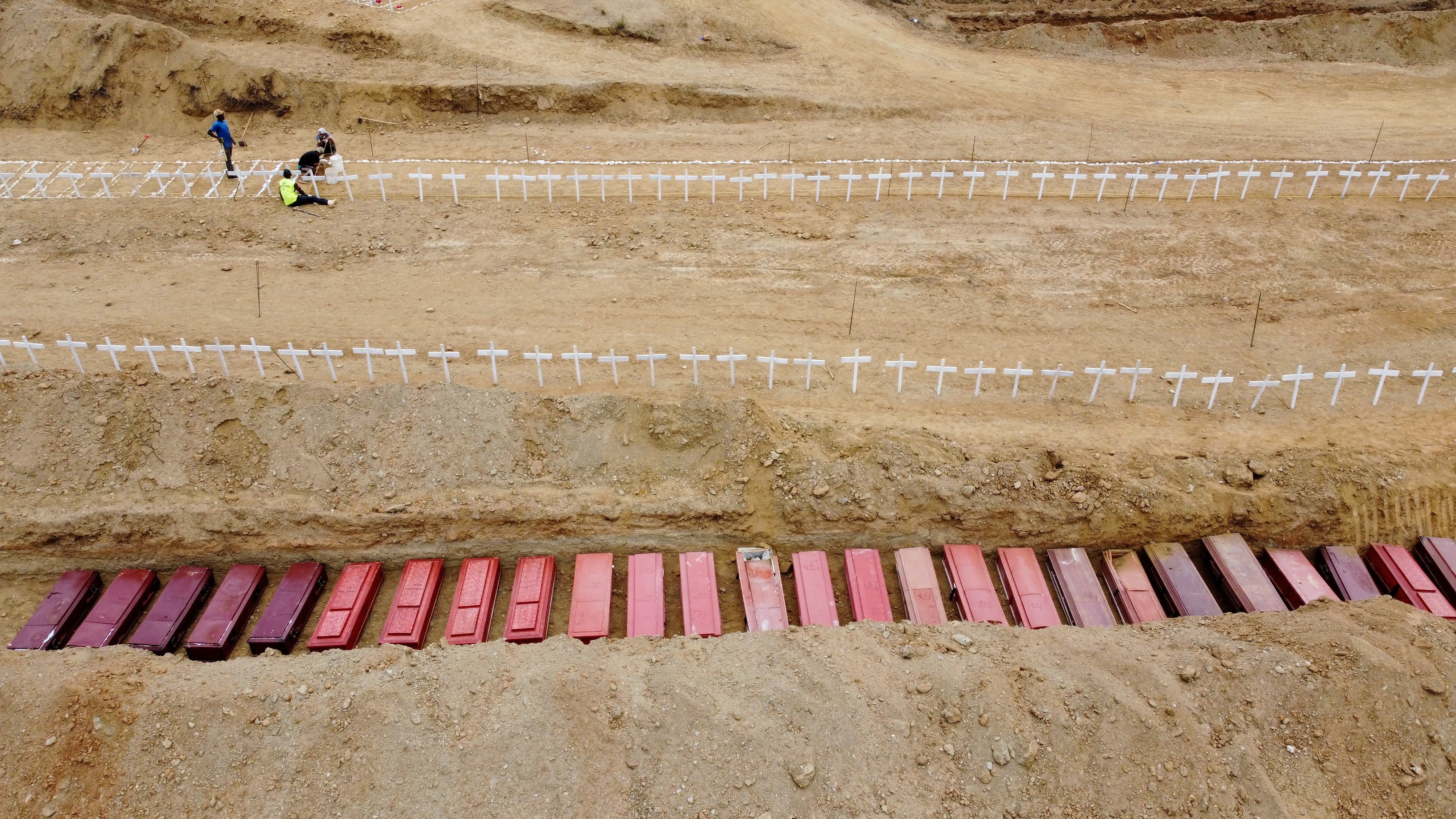
Venezuela has created an emergency cemetery to bury victims of the devastating earthquakes that struck the country on June 24. These tremors caused destruction on a scale not seen in over a century, resulting in more than 3,500 confirmed deaths. Of this tragic number, nearly 300 bodies remain unidentified.
The emergency burial site is located approximately one hour by car from La Guaira, the most severely affected region. Situated on a hillside away from the main La Esperanza Cemetery, long rows of white crosses now mark the temporary graves, illustrating the profound impact of the disaster. Trucks carrying the deceased arrive continuously at this site, where backhoes have been working for over 10 days to excavate mass graves.
Community leader Elis Zabala described the effort as dedicated and loving, involving volunteers and individuals deeply affected by the situation. Authorities emphasize that these are not common graves, and each burial is conducted individually. However, families are not permitted to attend the burials, with only essential workers and staff allowed on-site. Each grave is marked with a cross, white stones, and an identification code linked to a record and photographic archive, though many bodies remain unidentifiable. This situation follows criticism regarding the lack of official rescue teams to locate missing persons in the aftermath of the earthquakes, considered the worst natural catastrophe in Venezuela in decades.
The creation of an emergency cemetery highlights the overwhelming scale of the recent Venezuelan earthquakes and the strain on existing infrastructure. The logistical challenge of managing thousands of deceased, many unidentified, points to the critical need for robust disaster preparedness and response systems. The reported lack of official rescue teams and the restrictions on family attendance at burials raise questions about resource allocation and transparency in the immediate aftermath of a crisis. Moving forward, Venezuela's governance structures will face pressure to enhance their capacity for rapid, organized, and humane disaster management, ensuring that identification processes and dignified burials are prioritized, even under extreme circumstances. The long-term societal impact of such a tragedy, coupled with potential infrastructure and economic challenges, will require sustained international cooperation and domestic resilience efforts over the next decade.
AI-generated to prompt reflection — not editorial opinion, not advice, not a statement of fact. How this works.