Venezuela faces disease outbreaks after earthquakes due to lack of water and sanitation
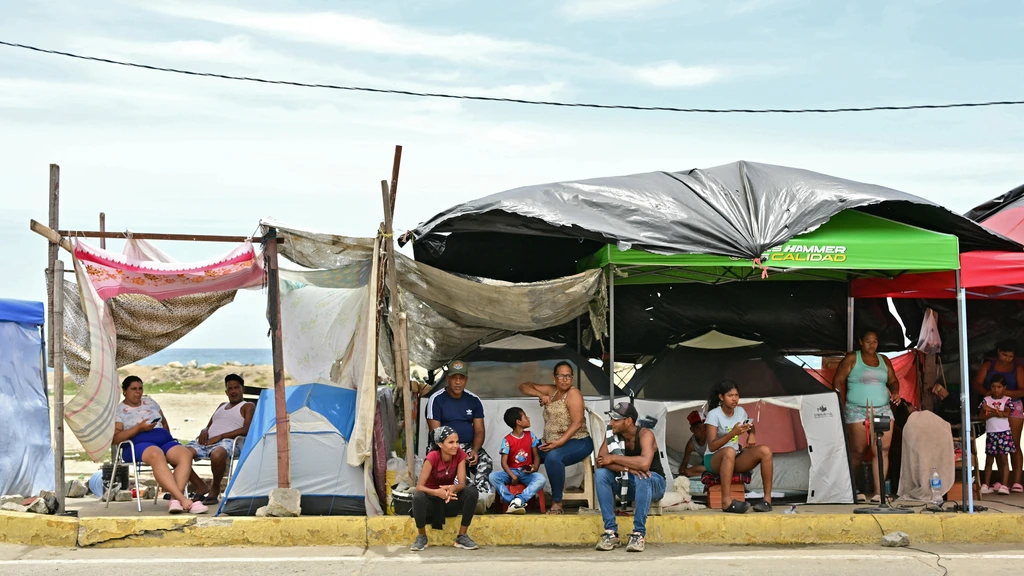
Venezuela is at risk of infectious disease outbreaks following recent earthquakes that left thousands homeless. The affected regions are experiencing severe shortages of clean drinking water and adequate sanitation facilities. In the heavily impacted coastal town of La Guaira, displaced individuals are resorting to using the beach for washing and waste disposal, leading to water contamination and skin and eye infections, according to a doctor working with Save the Children. Fatima Andraca, the Venezuelan director for Save the Children, highlighted the critical situation, stating that thousands of children are exposed to significant health risks due to the lack of basic hygiene. Some makeshift shelters reportedly have only one or two damaged toilets for hundreds of displaced people. The Pan American Health Organization (PAHO), a branch of the World Health Organization, identifies the lack of clean water and sanitation as a major health threat. PAHO Director Jarbas Barbosa also expressed concerns about overcrowded shelters and reduced access to regular healthcare, emphasizing the urgent need for vaccinations. PAHO is collaborating with Venezuela's Ministry of Health to monitor for potential outbreaks of respiratory and gastrointestinal illnesses. The earthquakes, which struck on June 24 with magnitudes of 7.2 and 7.5, resulted in 3,811 deaths, over 16,000 injuries, and nearly 18,000 people displaced. In La Guaira, 300 victims were buried unidentified, though Venezuela's forensic service is preserving genetic material for potential future identification.
The Venezuelan government faces a critical public health challenge following the earthquakes, where the destruction of infrastructure has directly led to a humanitarian crisis characterized by a lack of basic necessities like clean water and sanitation. This situation creates fertile ground for infectious diseases, posing a significant risk to the displaced population, particularly vulnerable groups like children. The international response, coordinated through organizations like PAHO and Save the Children, underscores the immediate need for humanitarian aid and the restoration of essential services. Moving forward, Venezuela's long-term recovery strategy must prioritize resilient infrastructure development and robust public health systems capable of withstanding future natural disasters, ensuring that immediate relief efforts translate into sustainable improvements in living conditions and health security for its citizens.
AI-generated to prompt reflection — not editorial opinion, not advice, not a statement of fact. How this works.