Venezuela Faces Prolonged Public Health Crisis After Devastating Earthquakes
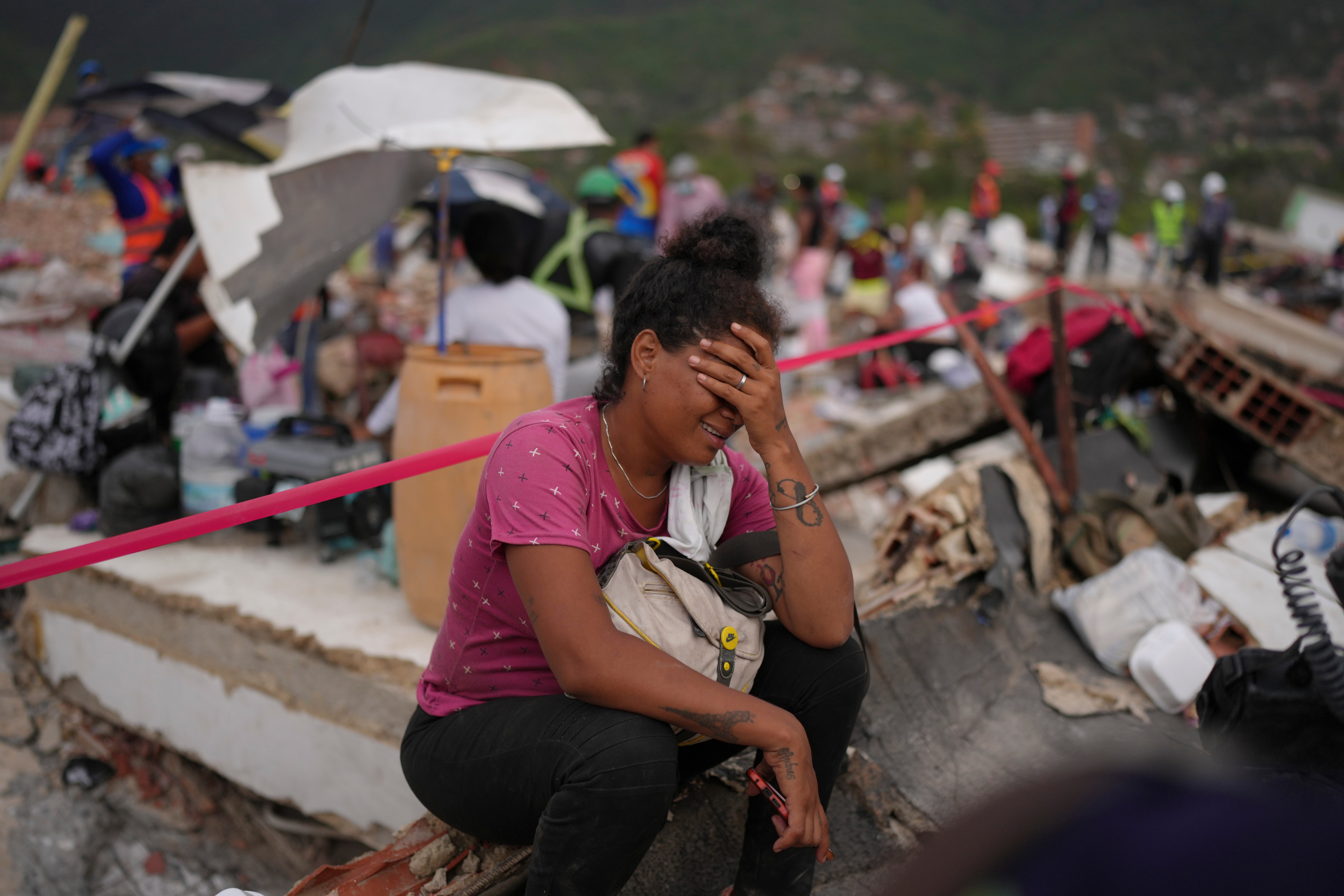
Venezuelan doctors are warning of a deepening public health crisis following twin earthquakes on June 24th, which have exacerbated an already fragile healthcare system. The quakes, which killed at least 2,295 people and injured over 11,000, have left thousands of survivors in overcrowded shelters or exposed to the elements with limited access to clean water and sanitation. Medical professionals fear a surge in untreated injuries and infectious diseases, particularly as the hot climate raises concerns about vector-borne illnesses and waste management challenges. The disaster has highlighted Venezuela's chronic shortage of doctors, driven by years of economic crisis, underfunding, and emigration, with an estimated one-third of registered physicians having left the country. Hospitals, many of which sustained damage, are critically lacking essential supplies, from basic gauze to specialized equipment for orthopedic surgeries. Doctors have resorted to social media to appeal for donations, underscoring the severe deficit in medical provisions and the breakdown of the healthcare infrastructure. The United States has deployed 900 military personnel and provided $300 million in aid, channeled through humanitarian organizations and the UN, to support relief and rescue operations. International teams from various countries have also arrived to assist, despite some lacking diplomatic ties with Venezuela. The material damage from the earthquakes is estimated to exceed $6.7 billion, far exceeding the aid provided. The government's response has faced criticism, with unverified videos circulating online allegedly showing security forces looting from collapsed buildings, leading to the detention of four police officers for misconduct. A non-governmental database indicates over 40,600 people remain unaccounted for, leaving families in distress as they await news of their loved ones.
The Venezuelan earthquakes have exposed systemic vulnerabilities within the nation's public health infrastructure, which was already severely degraded by economic mismanagement and emigration of medical professionals. The disaster amplifies the challenge of providing basic care, raising the specter of infectious disease outbreaks and untreated chronic conditions. International aid, while crucial, represents a fraction of the estimated damage, highlighting the long-term rebuilding and governance challenges ahead. The situation underscores the critical interdependence between economic stability, effective governance, and the capacity to respond to humanitarian crises, particularly in an era where climate change may increase the frequency of natural disasters. Future resilience will depend on rebuilding not only physical infrastructure but also the human capital and institutional capacity that were eroded over years of crisis.
AI-generated to prompt reflection — not editorial opinion, not advice, not a statement of fact. How this works.