Venezuela Formally Withdraws from International Criminal Court
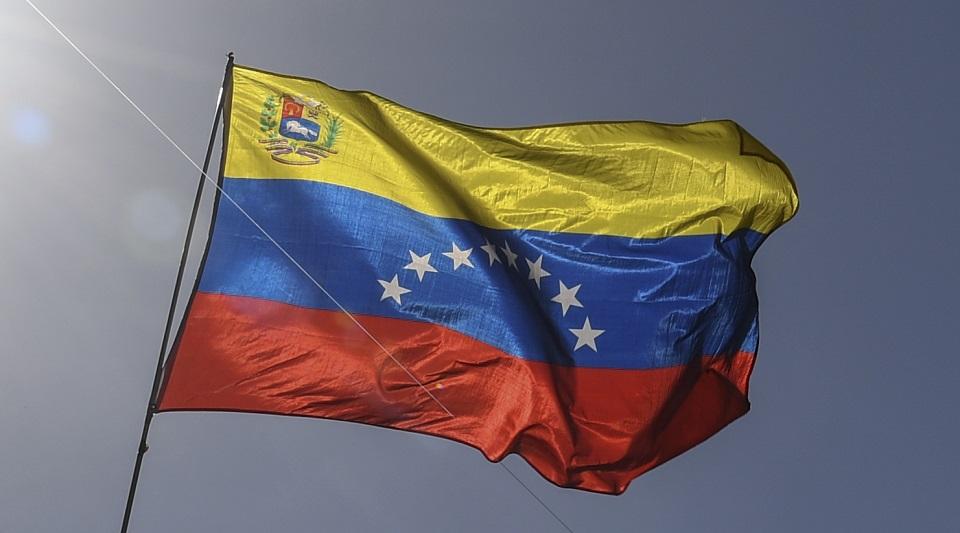
Venezuela has officially informed the United Nations of its "irrevocable" decision to leave the International Criminal Court (ICC). Foreign Minister Felix Plasencia announced the notification on Friday. This move signifies Venezuela's definitive exit from the Rome Statute, the treaty that established the ICC. The withdrawal means Venezuela will no longer be subject to the court's jurisdiction or investigations. The ICC has been examining alleged crimes against humanity in Venezuela, stemming from the crackdown on protests under President Nicolas Maduro. The government has consistently denied these allegations. This decision marks a significant step in Venezuela's relationship with international justice mechanisms. The country's withdrawal will take effect one year after the formal notification to the UN Secretary-General. It remains to be seen how this will impact ongoing international scrutiny of the human rights situation in Venezuela.
Venezuela's withdrawal from the ICC, announced by Foreign Minister Felix Plasencia, represents a strategic maneuver to circumvent international judicial oversight. This action, while legally permissible under the Rome Statute, may be interpreted as an attempt to shield state actors from potential accountability for alleged human rights violations. The decision could reflect a broader trend of nations seeking to assert sovereignty against international legal frameworks. From a long-term perspective, such withdrawals may challenge the universality and effectiveness of international criminal justice, potentially emboldening other states facing similar scrutiny. This development warrants observation regarding its implications for future international cooperation and the enforcement of global norms.
AI-generated to prompt reflection — not editorial opinion, not advice, not a statement of fact. How this works.