Venezuela Government and Opposition Factions Begin New Dialogue
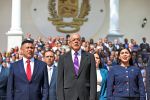
The Venezuelan government and certain opposition factions have initiated a new round of dialogue. These discussions aim to address the ongoing political and economic challenges facing the nation. However, a significant bloc of the opposition, specifically the movement led by exiled opposition leader María Corina Machado, has declared it will not participate in these talks. This exclusion highlights the deep divisions within the Venezuelan opposition and raises questions about the potential effectiveness and inclusivity of the dialogue process. The government's engagement with select opposition groups while excluding others suggests a strategic approach to consolidating support or managing dissent. The absence of Machado's movement, which holds considerable influence among a segment of the population, could limit the legitimacy and broad-based impact of any agreements reached.
The initiation of a new dialogue in Venezuela, while excluding a prominent opposition faction led by María Corina Machado, presents a complex governance dynamic. This selective engagement may reflect strategic attempts by the government to fragment opposition unity and secure agreements with more amenable groups, potentially influencing future electoral processes or international relations. The exclusion of Machado's movement, a significant voice for a segment of the population, raises questions about the dialogue's representativeness and its capacity to foster broad national consensus. Future developments will likely be shaped by the incentives for each participating group, the transparency of the negotiation process, and the ability of any resulting agreements to address the fundamental socio-economic concerns of the Venezuelan people within the evolving global landscape of the next decade.
AI-generated to prompt reflection — not editorial opinion, not advice, not a statement of fact. How this works.