Venezuela Grapples with Devastation One Month After Major Earthquake
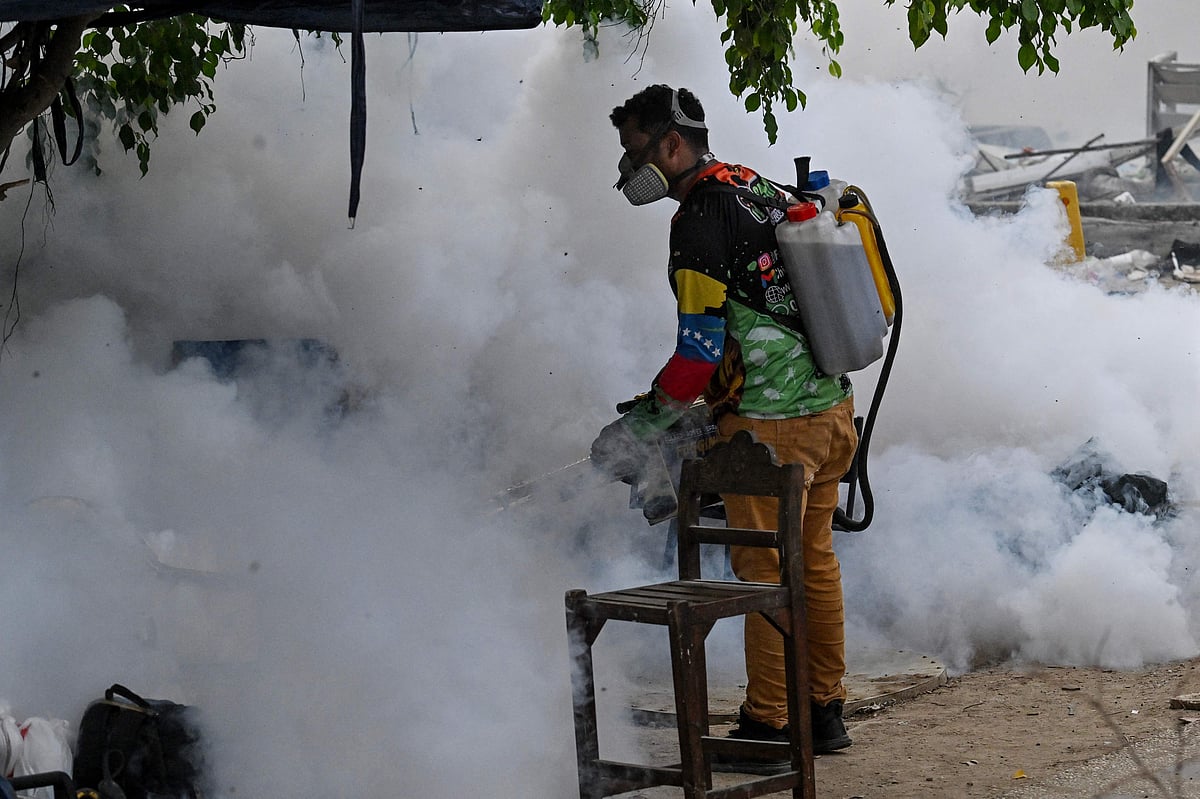
Venezuela is still recovering from a powerful earthquake that struck approximately one month ago, with the death toll now exceeding 5,300 people. Many individuals remain missing, and search and rescue operations are ongoing. Amidst the devastation, there are also signs of people attempting to return to normal life. Images from the affected areas depict the stark reality of the situation. In Carabaleda, one person was seen spreading insecticide near the rubble of a destroyed building on July 22, 2026. Search efforts continued within the debris on the same day in Carabaleda. A man who lost an arm has joined the search efforts in Carabaleda. In another poignant scene, an individual searched for loved ones in the collapsed roof of a building. Aerial views from La Guaira on July 22, 2026, showed rows of graves for earthquake victims. People were seen salvaging metal and other items from the ruins in Tucacas. On July 22, 2026, in Tucacas, individuals were actively searching through the rubble for scrap metal and other materials. Despite the ongoing damage, some residents are trying to resume work, with one person in Chichirivichi, Venezuela, awaiting tourists on July 22, 2026, indicating a fragile return to economic activity.
The aftermath of the Venezuelan earthquake highlights the complex challenges of disaster recovery, extending beyond immediate rescue to long-term rebuilding and psychological healing. The persistent search for the missing and the efforts to resume daily life underscore the resilience of the human spirit but also the profound disruption caused by the event. Future disaster preparedness strategies in Venezuela and similar regions should consider not only structural resilience but also robust social support systems and economic recovery plans to mitigate the long-term impact on affected populations. The integration of advanced technologies, such as drones for surveying and rapid damage assessment, can significantly improve response efficiency in future crises.
AI-generated to prompt reflection — not editorial opinion, not advice, not a statement of fact. How this works.