Venezuela Officially Withdraws from the International Criminal Court
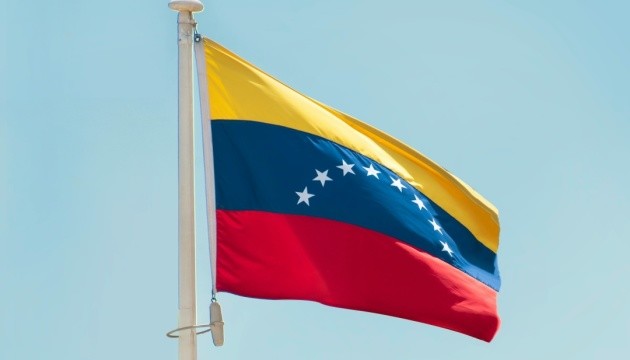
Venezuela has formally notified the United Nations of its "irrevocable" decision to withdraw from the International Criminal Court (ICC). This action marks a significant step for the South American nation in its relationship with international justice mechanisms. The notification to the UN signifies the official commencement of the withdrawal process. The government of Venezuela has stated that its decision is final and cannot be reversed. This move comes amid ongoing scrutiny of Venezuela's human rights record by international bodies. The ICC has been investigating alleged crimes against humanity committed in Venezuela. The withdrawal could impact the court's ability to pursue justice for victims. Venezuela's departure from the ICC raises questions about its commitment to international legal norms and accountability.
Venezuela's withdrawal from the International Criminal Court, formally communicated to the UN, represents a sovereign state's assertion of autonomy over its engagement with international legal frameworks. This decision may reflect a strategic response to external judicial pressures or a broader geopolitical alignment. From a governance perspective, such withdrawals often stem from perceived jurisdictional overreach or a desire to maintain domestic control over legal processes, particularly concerning allegations of human rights violations. The long-term implications could involve altered dynamics in international accountability mechanisms and potentially influence other nations' considerations regarding their participation in global justice institutions. This action prompts reflection on the balance between national sovereignty and the universal pursuit of justice in an increasingly interconnected world.
AI-generated to prompt reflection — not editorial opinion, not advice, not a statement of fact. How this works.