Venezuela Quake Aftermath: Overcrowded Shelters and Poor Water Access Threaten Health, PAHO Warns
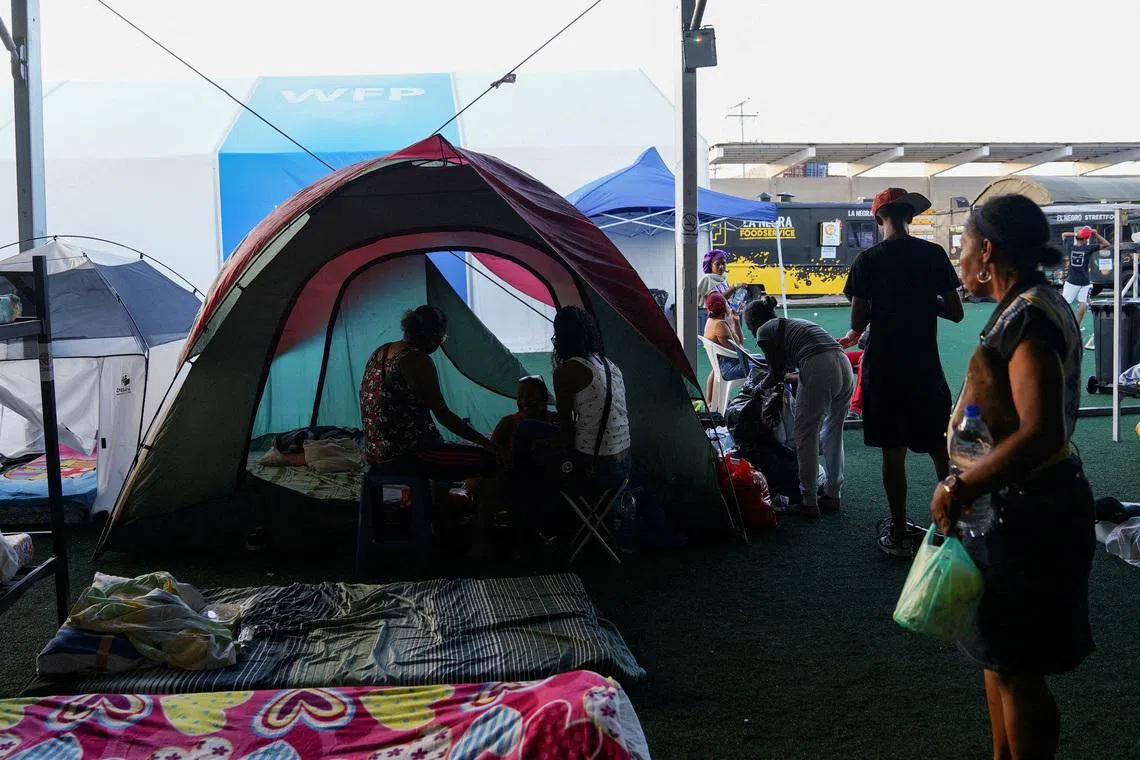
The Pan American Health Organization (PAHO) has identified significant health risks in Venezuela following twin earthquakes that struck the country's northern coast last month. Dr. Carissa Etienne, the head of PAHO, stated on Thursday that the primary concerns include disruptions to essential medical services and the precarious living conditions in overcrowded shelters. A critical issue highlighted is the lack of access to clean water for affected populations, which poses a direct threat to public health. These factors combined create an environment ripe for the spread of disease and complicate recovery efforts in the affected regions. The organization is urging immediate attention to these humanitarian challenges to mitigate further health crises.
The PAHO's assessment highlights the critical intersection of natural disasters and public health infrastructure. The aftermath of seismic events often exacerbates pre-existing vulnerabilities, particularly in regions with limited resources. Overcrowded shelters and compromised water systems represent systemic failures in disaster preparedness and response, creating fertile ground for communicable diseases. Looking ahead, the resilience of communities in such scenarios will increasingly depend on robust, decentralized public health networks and sustainable infrastructure solutions that can withstand environmental shocks. Addressing these foundational issues is paramount to safeguarding populations against future crises in the evolving climate and geopolitical landscape.
AI-generated to prompt reflection — not editorial opinion, not advice, not a statement of fact. How this works.