Venezuela Quakes: Hope Dims as Hunger and Scarcity Grip Survivors
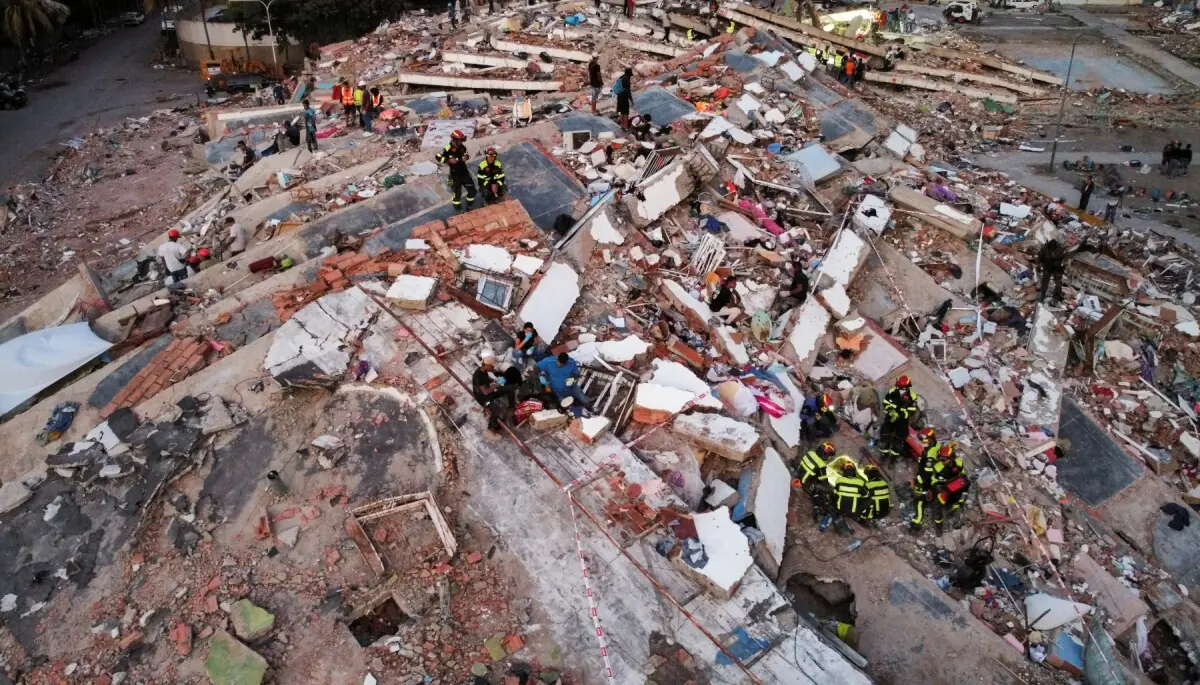
A week after twin earthquakes struck Venezuela on June 24, 2026, hope for finding more survivors has significantly diminished, with the death toll rising to 2,295 and over 11,000 injured. Interim President Delcy Rodriguez declared seven days of mourning for the nation's "torn soul" amidst widespread devastation. Tens of thousands remain unaccounted for, and the United Nations estimates 50,000 people are missing. In the hardest-hit city of La Guaira, collapsed buildings marked with 'D' signify areas searched without finding signs of life, as rescue teams acknowledge the low probability of survival for those trapped beyond 72 hours. Despite a few miraculous rescues, like a three-year-old boy found alive after six days, the reality for many, like Jose Rafael searching for his missing son in Caraballeda, is grim. The earthquakes, measuring 7.2 and 7.5 magnitude, shattered neighborhoods in a country already struggling with decades of economic crisis and devastated infrastructure. This has exacerbated the scarcity of food and water, leading to desperate struggles for basic necessities and incidents of theft and looting, including the arrest of four police officers for stealing from rubble. The International Organisation for Migration describes the situation as "critical," with growing queues for aid and reliance on volunteers. The World Food Programme has appealed for $50 million to assist 500,000 people for three months. Additionally, fears of disease outbreaks are rising due to damaged health services and low pre-earthquake vaccination coverage, with the World Health Organisation warning of increased risks for vaccine-preventable diseases. A preliminary assessment by Nasa suggests the quakes may have damaged or destroyed approximately 58,870 buildings.
The Venezuelan earthquakes highlight the compounding vulnerabilities of a nation already facing severe economic and infrastructural challenges. The disaster's impact is amplified by pre-existing conditions, including decades of economic crisis and political instability, which likely limited the state's capacity for preparedness and immediate response. The reliance on international aid and the emergence of social disorder, such as theft and competition for resources, underscore the fragility of social safety nets in such contexts. Looking ahead, the event serves as a stark reminder of the critical need for resilient infrastructure, robust disaster management systems, and sustainable economic policies to mitigate the impact of future natural disasters, particularly in regions already under significant strain. The international response, while crucial, also raises questions about long-term recovery strategies and the potential for geopolitical influences in aid distribution.
AI-generated to prompt reflection — not editorial opinion, not advice, not a statement of fact. How this works.